

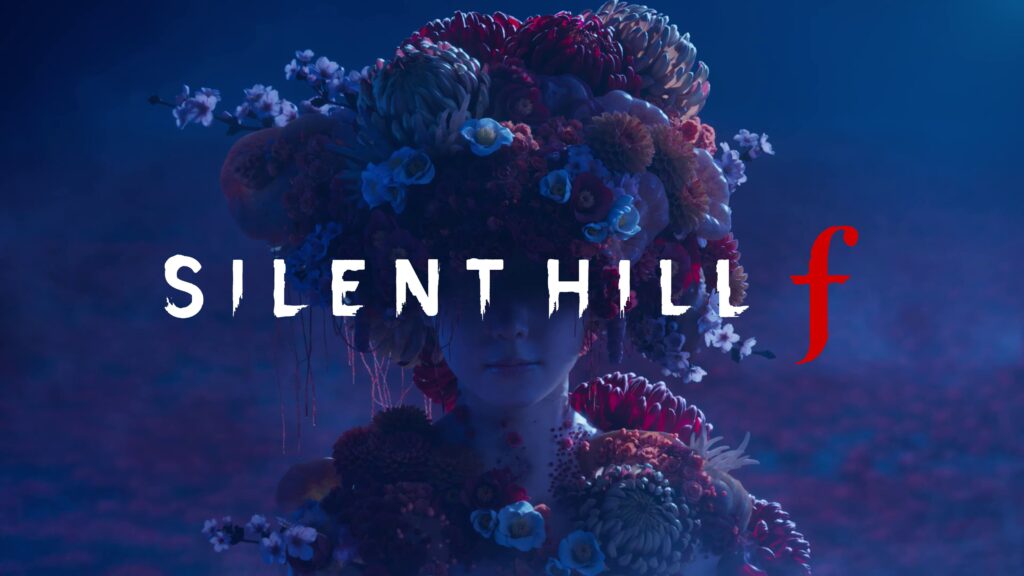
The fog of anticipation surrounding Konami’s upcoming Silent Hill f has been stirred by recent comments from its director, Al Yang of NeoBards Entertainment. In a discussion about the game’s direction, Yang mentioned a focus on making the game more action-oriented to appeal to a younger generation of players. While attracting a new audience is a goal for any developer, this specific reasoning has sent a chill down the spine of many long-time fans, myself among them. The potential pivot towards action over atmosphere risks betraying the very essence of what makes Silent Hill a legendary horror franchise.
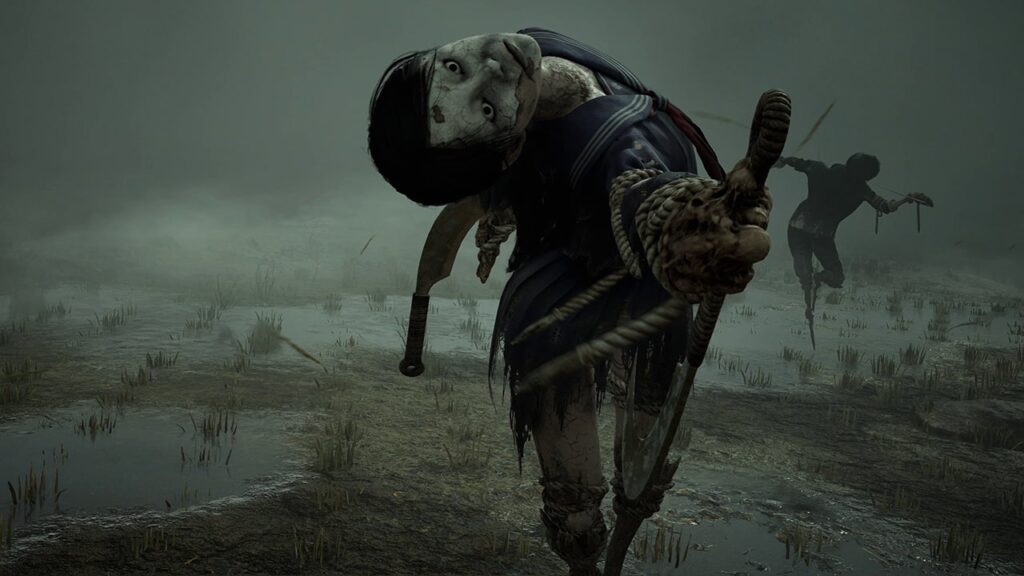
The core identity of Silent Hill was never built on slick combat or empowering action sequences. On the contrary, the series thrived on its oppressive atmosphere, psychological dread, and deliberate, often clunky, combat that emphasized vulnerability, not power. The terror in games like Silent Hill 2 came from the feeling of helplessness, rare ammo, the unsettling enemy designs, and the slow-burn psychological narrative that gnawed at you long after you put the controller down. The idea of retooling this formula specifically to cater to a younger audience, who are perceived to prefer faster-paced action, feels like a fundamental misunderstanding of the series’ appeal, and scary one to say the least.
This strategy of chasing a younger, trend-focused demographic is a path littered with cautionary tales, most notably in the recent struggles of the live-service genre. We’ve seen major publishers invest hundreds of millions of dollars into games like Suicide Squad: Kill the Justice League or the now-defunct Marvel’s Avengers and Babylon’s Fall. These titles often compromised their core identity or narrative potential in an attempt to capture a slice of the massive live-service pie, a market dominated by younger players. The result was often a product that appealed to neither the established fanbase nor the new audience it sought to attract, leading to financial disappointment and studio closures all around the industry. Pandering to a specific age group, especially at the expense of a game’s soul, is a dangerous and often failing business model.
This isn’t to say that horror games cannot evolve. Capcom’s recent Resident Evil remakes are a prime example of modernization done right. Resident Evil 2 and Resident Evil 4 are masterfully modernized, introducing fluid controls and enhanced action sequences. Crucially, however, they never sacrificed the horror. The tension, resource management, and terrifying enemy encounters remained the central pillars of the experience. They succeeded because they enhanced the original vision, they didn’t replace it with something else entirely to chase a demographic.
The concern, therefore, isn’t that Silent Hill f is evolving, but that it might be doing so for the wrong reasons. A great game, regardless of genre, finds a broad audience through quality, vision, and a strong sense of identity. By explicitly stating the goal is to add action to court “young people,” the development team sends a worrying signal that they may be prioritizing trends over terror. We can only hope that in the pursuit of a new audience, Konami and NeoBards don’t forget the very fans who have kept the fog-shrouded town alive in their minds for decades.
And one would wonder, seeing the success of Silent Hill 2 Remake, why would they feel the urge to change anything from what brought the fans back to hold the controller to play Silent Hill once again?
