
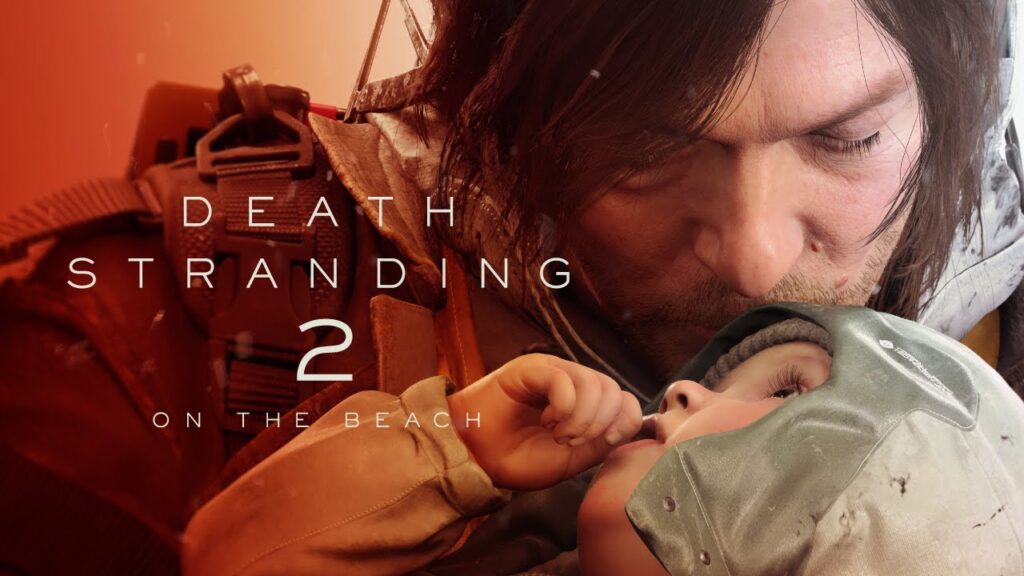


Death Stranding 2 Review
When I finished the first Death Stranding, I was left with more questions than answers. These weren’t just questions about the plot; they were more fundamental: ‘Why did I play this?’ and ‘What was Kojima’s point in making all of this?’
When Death Stranding 2 was first announced, I wasn’t excited at all. However, when I finally picked it up, I decided to approach it with what I love most when playing a video game: honesty and objectivity. So, does Death Stranding 2 succeed in being a better game than its predecessor?
The initial Wow Factor:
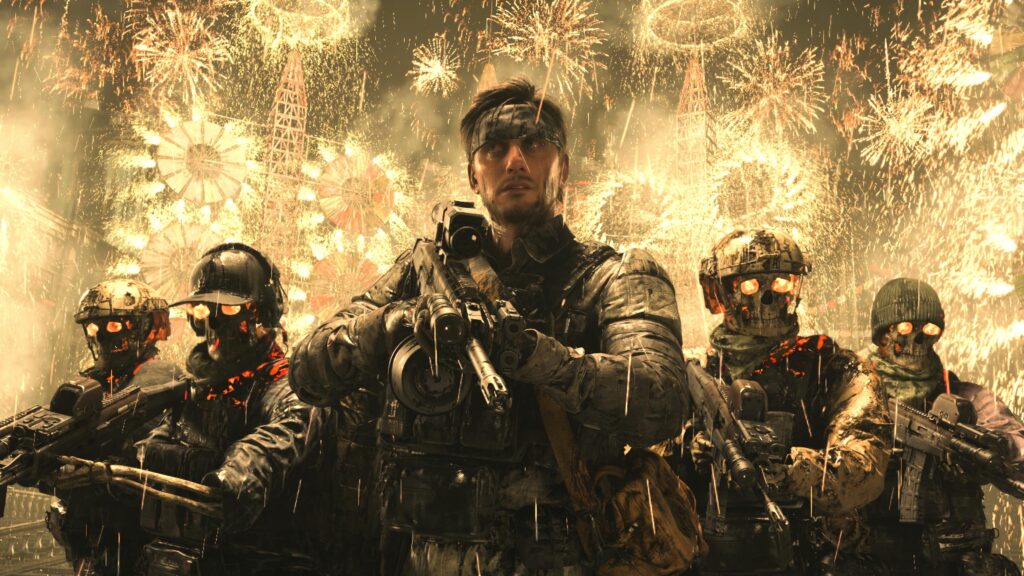
As the game begins, Death Stranding 2 delivers exactly what PlayStation first-party titles are known for: spectacular graphics and amazing cinematics. You’ll likely spend the first hour walking around with your jaw on the floor, enjoying the visuals and ignoring the 768 times you stumble while trying to balance yourself. However, if you played the first game, you’ll probably find it easier to compose yourself and avoid those falls.
The opening hours are filled with cutscenes that once again prove how incredible Kojima’s direction is. The game also does an excellent job of clarifying the narrative; it provides an easy-to-access encyclopedia to explain all the terminology you may have missed or forgotten since the first game.
The Evolution of the "Strand"
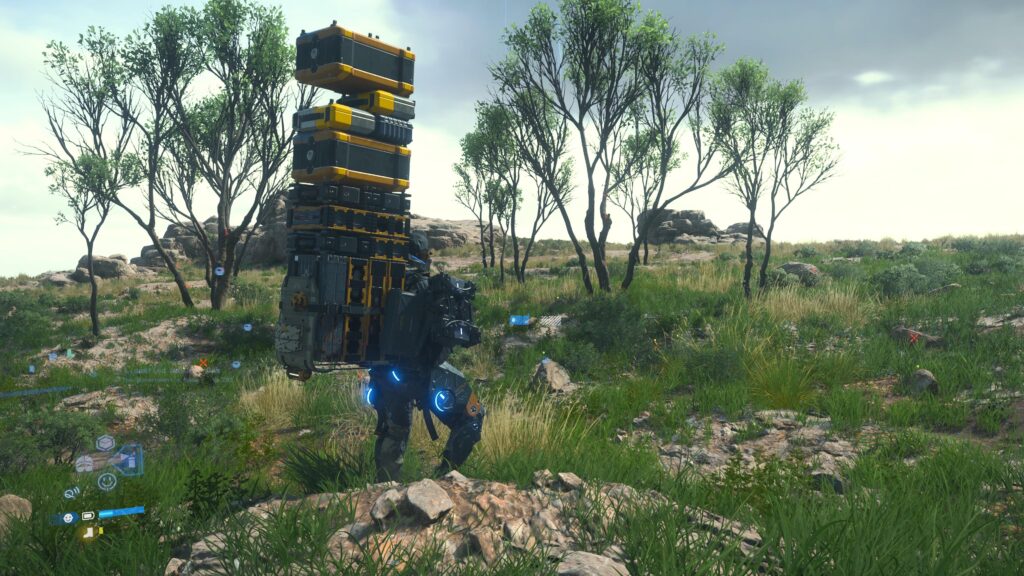
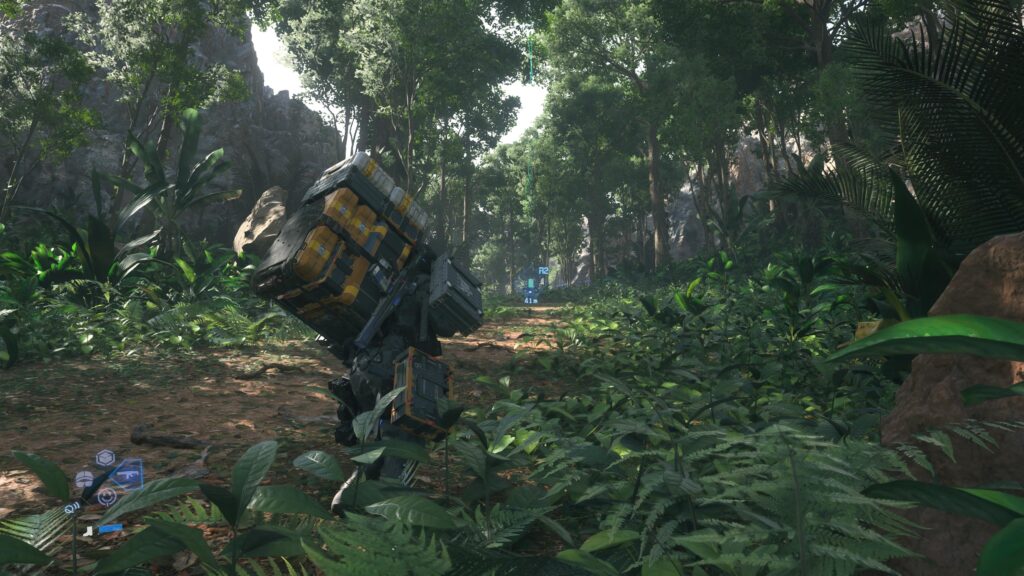
Instead of the slow-burn, isolated feeling of the “strand” system from the first game, Death Stranding 2 picks up the pace almost immediately. The moment you begin your adventure, the game equips you with tools that streamline the initial journey, sparing you from the hours of grueling groundwork required in the predecessor. Delivering cargo feels significantly more efficient this time around, thanks to the early introduction of vehicles. Kojima has also clearly made an effort to fix the pacing by weaving in more action-oriented missions, such as invading camps scattered across the map.
It no longer takes an eternity to reach that initial “kick-off.” The story beats now hit with a sense of urgency and action that the original lacked. Most importantly, the game introduces several new mechanics designed to assist the player, making the treacherous terrain far easier to navigate and the overall journey much more accessible.
A Brilliant Concept, A Bland Execution:
Narratively, you once again step into Sam’s boots as he attempts to unite the lands and connect people through the Chiral Network. However, while the new faces like Rainy and Tomorrow are creative and conceptually brilliant, the core story unfortunately falls short, growing increasingly bland as you progress. There were many moments where I found myself thinking, “This character is genius,” only to have that potential squandered by a weak, cheap plot point that left a bitter taste in my mouth rather than excitement.
This disappointment is most evident in the villain, who feels remarkably forgettable. Lacking a compelling motive, his entire arc and the eventual climax left me feeling indifferent toward his goals. I must mention, however, that the way the game unravels the lore and continues the mystery of the first game’s events is genuinely interesting. It is just a shame that these highlights are constantly pulled back by the “missed hits” of a weak antagonist and the struggling realization of the characters’ true motives.
Likes, Likes and more Likes:
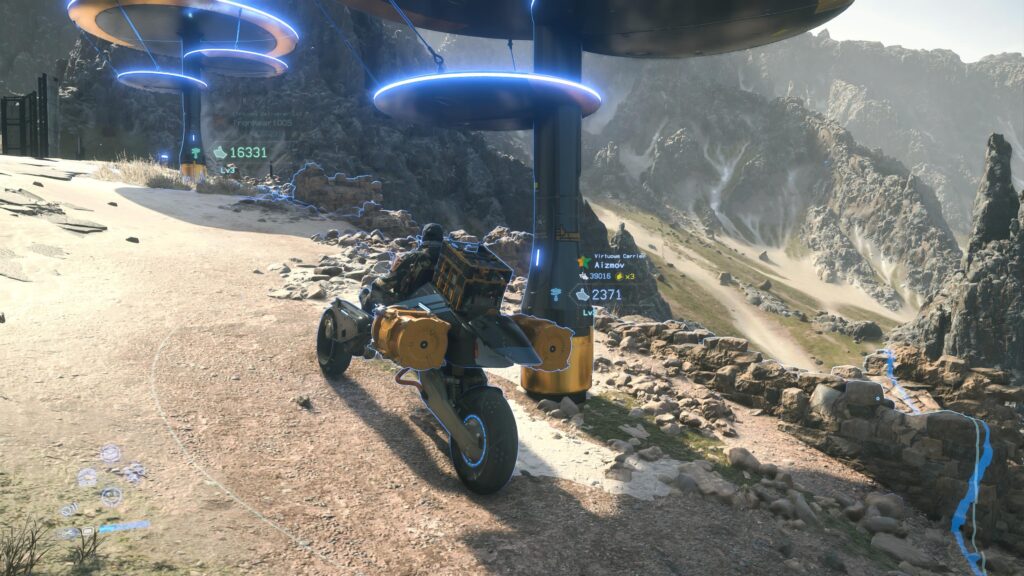
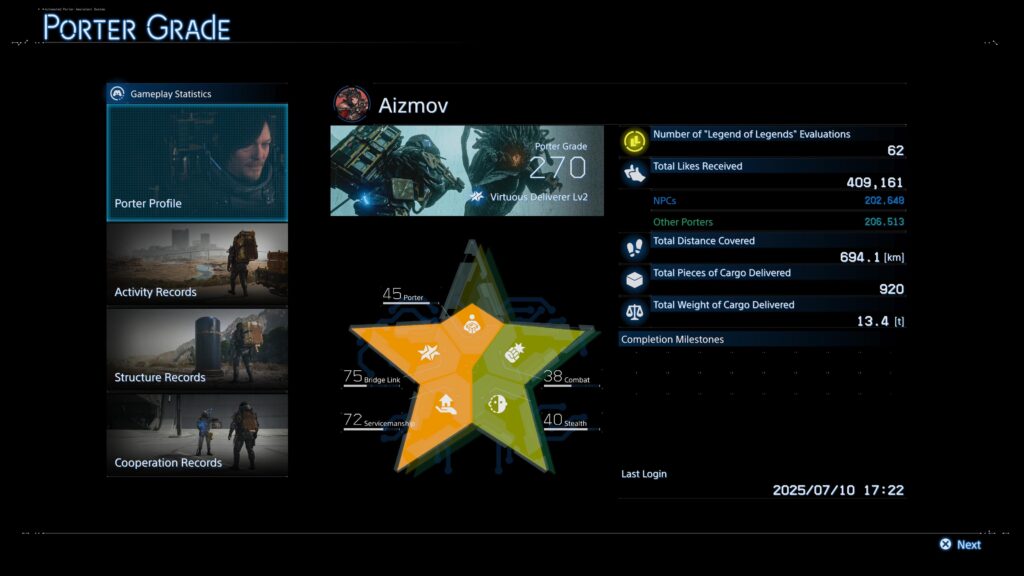
The crowning achievement of Death Stranding 2 remains its profound sense of community. At its core, you are a porter striving to bridge delivery points, and each successful connection rewards you with a wealth of equipment designed to make your life easier. But the brilliance lies in the altruism: you aren’t just building for yourself. Every ladder, charging station, vehicle, and paved road you leave behind becomes a lifeline for other players in your world. In return, you receive “Likes”—the game’s social currency—and I found this mechanic utterly addictive. At one point, I was so invested that my name sat in the top 10 of the global leaderboard.
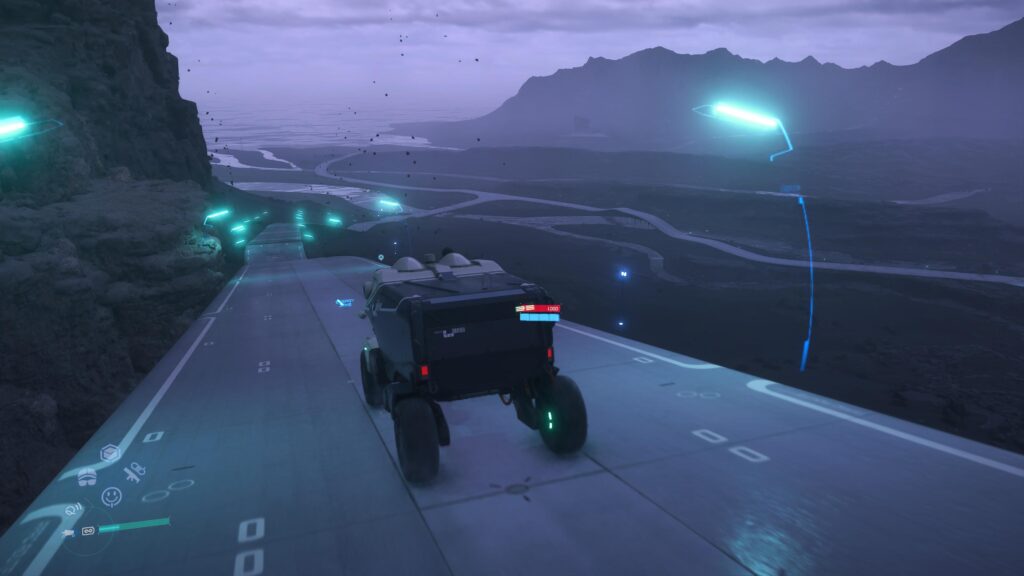
I spent dozens of hours obsessively building roads, primarily to sustain my own gameplay and automate travel through difficult terrain. Yet, every time I logged back in, I was greeted by tens of thousands of likes from fellow porters who had used my paths. It was hard work; I poured over 70 hours into the game, scaling treacherous mountains just to string zip-lines from peak to peak so others could travel safely.
The game succeeds tremendously in expanding your traversal toolkit. The new hoverboard is a standout, but the real game-changers are the launch pads and “Human Cannons.” These cannons can blast you through the air to reach distant heights or low-lying valleys in seconds. In a classic Kojima twist of creativity, these aren’t just for travel—you can load these cannons with bombs and rain destruction down on enemy camps from the sky, leaving them bewildered as to where the assault is even coming from.
Whenever I felt the frustration of the inconsistent story, I retreated into the game’s true “fun factor”: the sheer joy of helping other porters and using these inventive new tools to systematically dismantle enemy fortifications.
A New Strand for Boss Encounters:
Another standout evolution in the sequel is the boss design. Death Stranding 2 presents significantly more engaging and varied encounters than the original, finally moving away from the “bullet sponge” enemies of the past. The fights feel more like tactical puzzles now; they are a joy to engage with because the game provides a much wider arsenal of tools and gadgets to experiment with. Whether you are using the new remote-controlled drones to distract a massive BT or utilizing the landscape-altering mechanics to gain a height advantage, each battle feels like a fresh challenge.
The combat choreography and the sheer scale of these encounters are breathtaking. You’ll find yourself switching between specialized ammunition and high-tech traversal gear mid-fight to stay mobile. These battles provide a much-needed adrenaline rush that breaks up the long hauls of cargo delivery. Each encounter builds momentum and excitement as you master the new mechanics—except, unfortunately, for the final battle. Much like the narrative issues I mentioned earlier, the grand finale feels like a missed opportunity. After hours of creative, high-stakes combat, the closing fight reverts to a scripted, lackluster experience that fails to capitalize on the brilliant mechanics introduced throughout the rest of the journey.
Photorealism Meets Pure Atmosphere
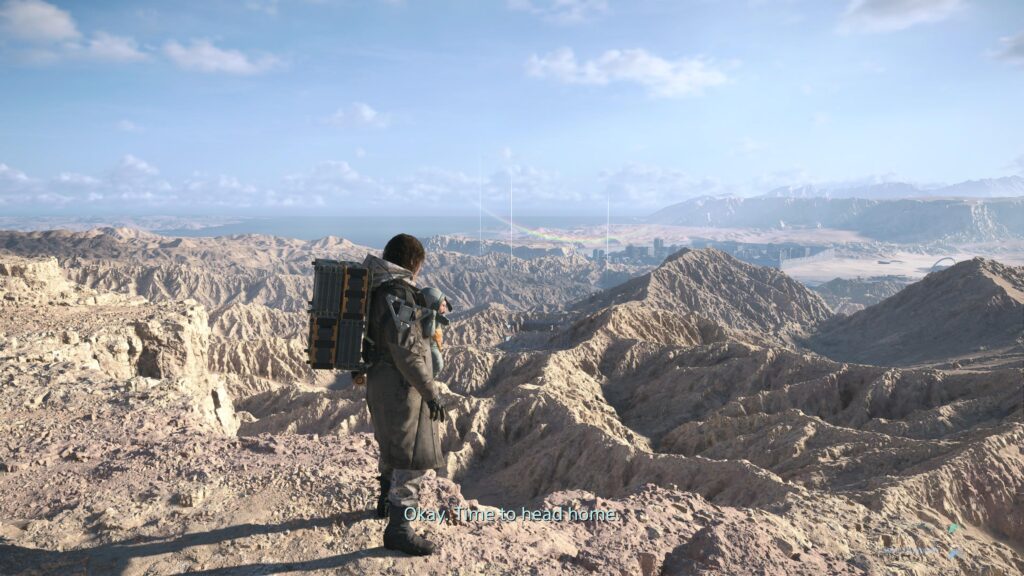
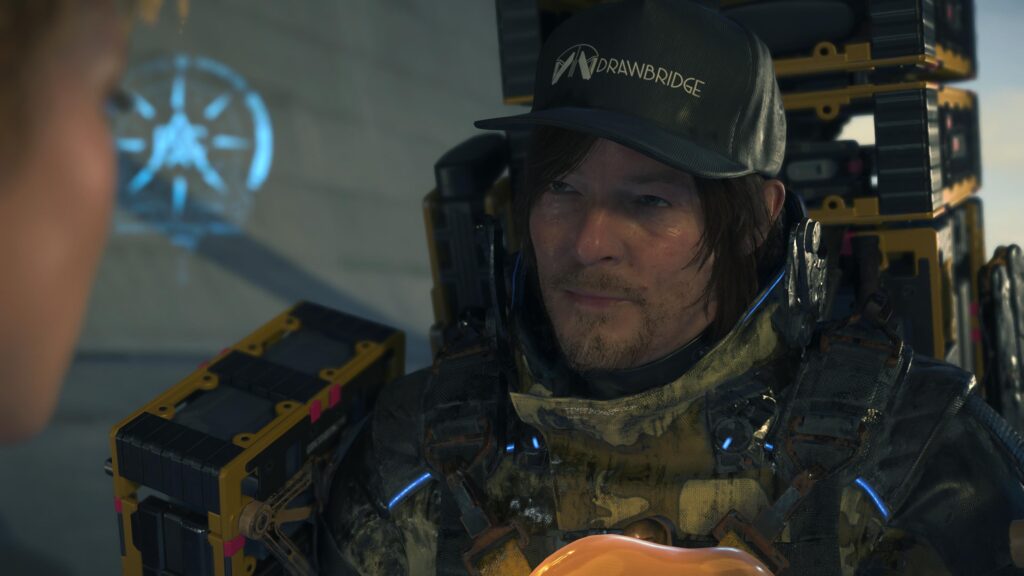
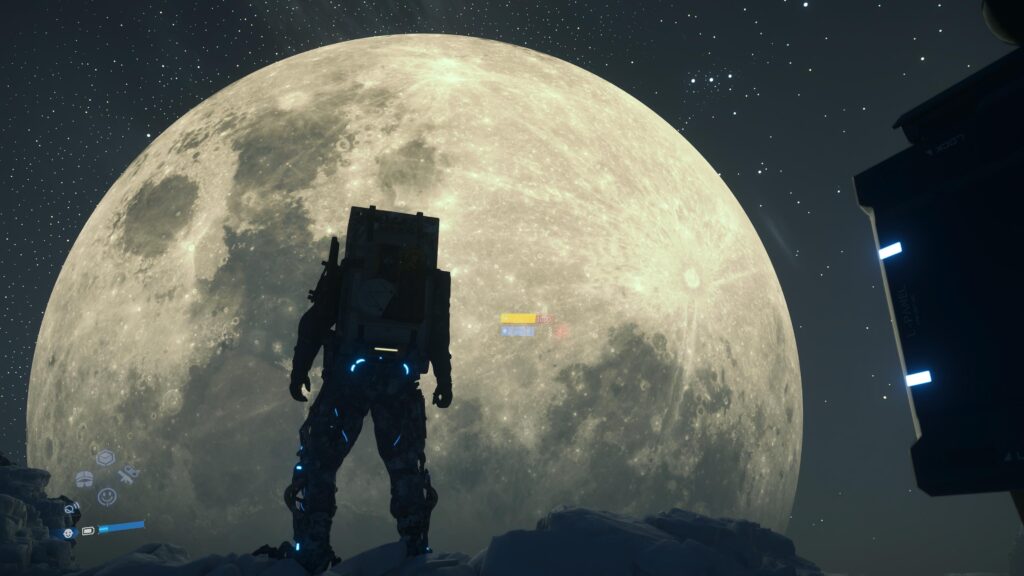
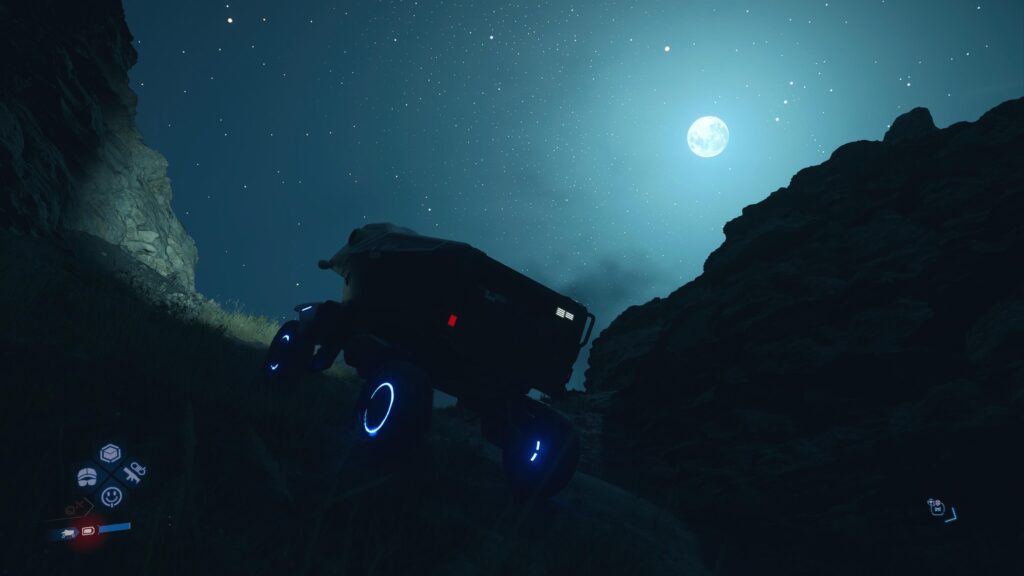
Visually, Death Stranding 2 is a masterclass in what the PlayStation 5 is capable of. The environments have shifted from the mossy, Icelandic greens of the first game to a much more diverse palette of harsh deserts and crumbling urban ruins. The Decima Engine once again proves its worth, delivering character models that look so lifelike it’s almost unsettling. Seeing the weathered details on Sam’s suit or the subtle facial expressions of characters like Rainy adds a layer of immersion that few other games can touch.
However, just like my experience with Rebirth, the music is what truly holds the soul of this journey. The soundtrack is an atmospheric powerhouse that knows exactly when to swell during a lonely trek and when to turn into a haunting, industrial nightmare during a boss fight. While I missed the specific melancholy of Low Roar, the new compositions fill the void with a sense of wonder and tension. It’s the kind of audio experience that demands a high-quality pair of headphones; the sound design—from the crunch of gravel under your boots to the screech of a distant BT—is simply flawless.
Death Stranding 2 is a fascinating contradiction. On one hand, it is a massive leap forward in terms of gameplay, world-building, and social connectivity. The thrill of seeing a highway you spent 70 hours building being used by thousands of other porters is a feeling no other franchise can replicate. The new traversal tools and improved boss fights turn what used to be a “walking simulator” into a creative and addictive action-adventure.
But as grand as the systems are, the narrative takes a noticeable step back. The story often feels like it’s tripping over its own feet, struggling to balance brilliant character concepts with a weak, often bland plot execution. By the time I reached the final chapter, I felt a familiar bitter taste—a sense that the grand finale couldn’t quite live up to the brilliance of the journey that led there.
Ultimately, if you are looking for a masterpiece of storytelling, you might leave disappointed. But if you want a world worth getting lost in—one full of community, creativity, and the most satisfying “Likes” you’ll ever earn—then Death Stranding 2 is an essential experience. It’s a game that succeeds in spite of its story, proving that sometimes, the road itself is more important than the destination.
- The thrill of building a global infrastructure and seeing your name on the leaderboard is unmatched.
- Some of the most breathtaking graphics and character models currently available on the PS5.
- New traversal tools like the human cannon and hoverboard make the gameplay loop incredibly fun.
- An atmospheric soundtrack and immersive audio that bring the world to life.
- Brilliant character ideas that are often let down by weak plot points and a lackluster villain.
- A final boss and climax that feel scripted and less creative than the rest of the game.
- Even with new gear, the first few hours of stumbling can still be a barrier for some.