

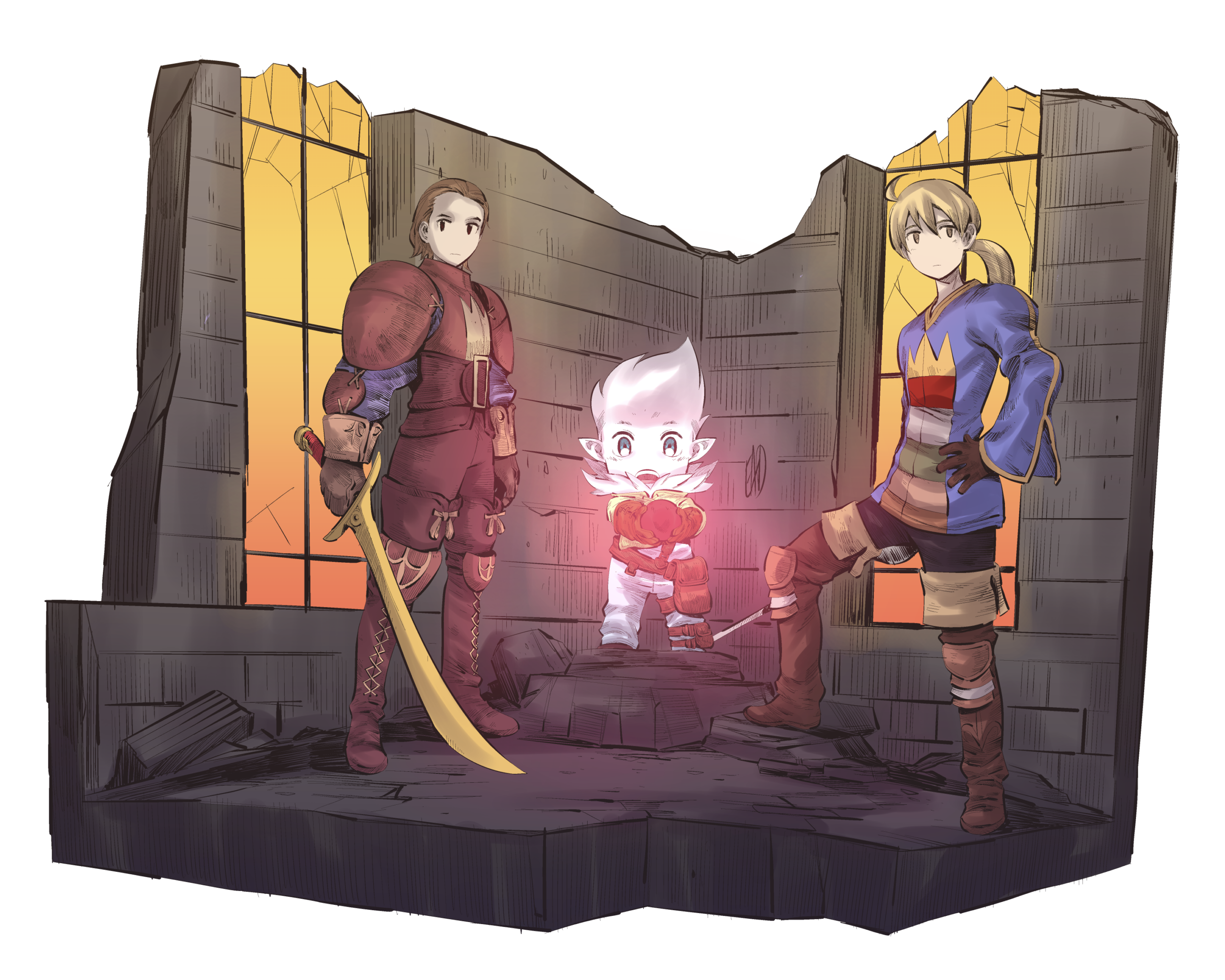
Final Fantasy Tactics The Ivalice Chronicles - Review
My relationship with Final Fantasy Tactics started off on a remarkably weird note back in 1998. My Eglish, back then, was practically nonexistent. While I still managed to enthusiastically stumble my way through Final Fantasy VII,Tactics proved to be an entirely different beast. The dense political dialogue and the sheer complexity of the underlying systems were too high a barrier, and couldn’t even get past the second main battle which caused me to I shelve it.
It wasn’t until I played Tactics Ogre: Let Us Cling Together that I truly fell in love with the isometric strategy genre. Tactics Ogre unapologetically became one of my all-time favorites thanks to its masterful writing and branching narrative, and it ultimately gave me the push I needed to give Ivalice another shot via the PSP version of Final Fantasy Tactics. By that time, I was in college, my English was fluent, and I was finally able to grasp the sheer brilliance of the game. I enjoyed the hell out of it, and it easily climbed the ranks into my top games of all time.
So, when FINAL FANTASY TACTICS – The Ivalice Chronicles was announced, my hype was monumental. Now that I’m older and fully equipped to appreciate its mature themes, political backstabbin, and intricate warfare, the ultimate question I was asking myself: Does this modernized return to Ivalice actually deliver the experience I’ve been waiting almost twenty years for?
The Ultimate Quality-of-Life Upgrades:
When a studio touches a game as universally revered as Final Fantasy Tactics, the line between “improving” and “ruining” is dangerously thin. Thankfully, Square Enix understood that the core of the 1997 original didn’t need a massive overhaul; it simply needed to be freed from the technical limitations of its era. The Ivalice Chronicles delivers a masterclass in modernization, something you can feel right away, stripping away the crust of the 90s while surfacing exactly what made the game special in the first place.
The absolute crown jewel of these improvements is the new Turbo feature. Let’s be completely honest with ourselves: as much as we love the Job System, grinding for JP (Job Points) in the original game could become a tedious slog of having your units throw rocks at each other in a circle. The ability to seamlessly fast-forward through battle animations and charge times is a godsend, I noticed myself doing that quite often; although sometime it made me skip some in-battle dialougs, but still I wouldn’t consider this as a fault or bad design. This feature was needed and needed badly in a game like this.
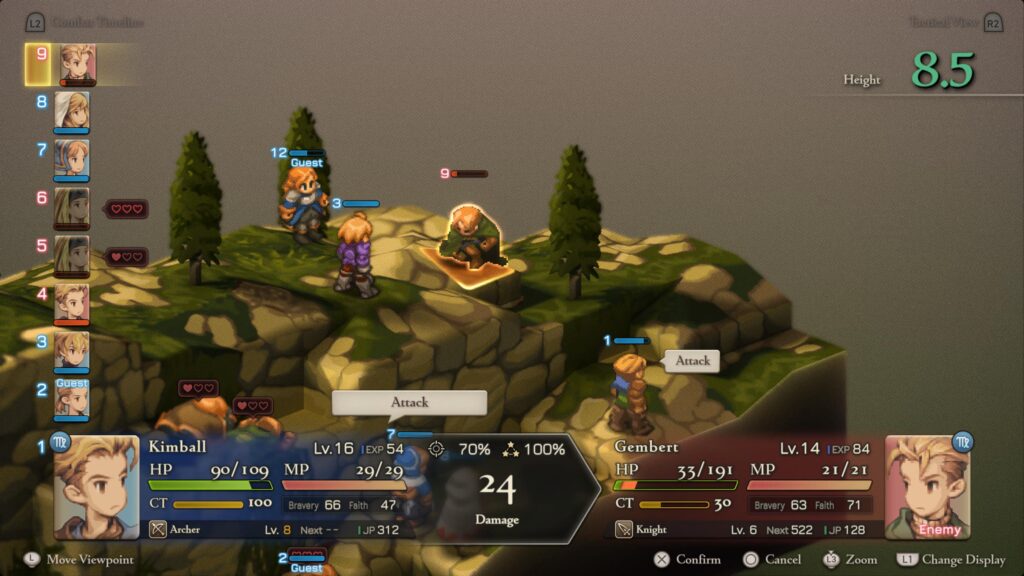
Beyond the pacing, the UI, which obviously have the same feels as Final Fantasy XVI, have been brilliantly overhauled, it looks exciting, sleek and quite fancy and really feels like something a masterpiece like Final Fantasy Tactics is deserving. Furthermore, The Ivalice Chronicles finally implements the modern tactical standard of allowing you to reset a unit’s movement before committing to an action. Gone are the days of accidentally placing your Black Mage one tile too close to an enemy Ninja and being forced to live with the fatal consequences of your misclicks.
What truly breathes new life into the combat, however, is the implementation of in-battle unit quips. Named characters are significantly more talkative now, dynamically reacting to the state of the battle. Hearing Ramza shout a battle cry upon landing a critical hit, or listening to Agrias fully chant the incantation for her Holy Sword abilities, adds an incredible layer of personality to the grid.
Finally, Square Enix made the brilliant decision to cater to every type of player by splitting the release into two accessible formats within the same package. If you are a purist, the “Classic” mode retains the original graphics and playstyle. But the “Enhanced” version is where the game truly shines, offering an optimized UI, re-balanced charge times for painfully slow magic and archer attacks, multiple difficulty settings and the choices of going to random battles or not. Whether you want to coast through the story on the new “Squire” difficulty or bash your head against the grueling new “Tactician” mode, the game molds itself perfectly to your preferred playstyle.
The Story of Unknown Hero:
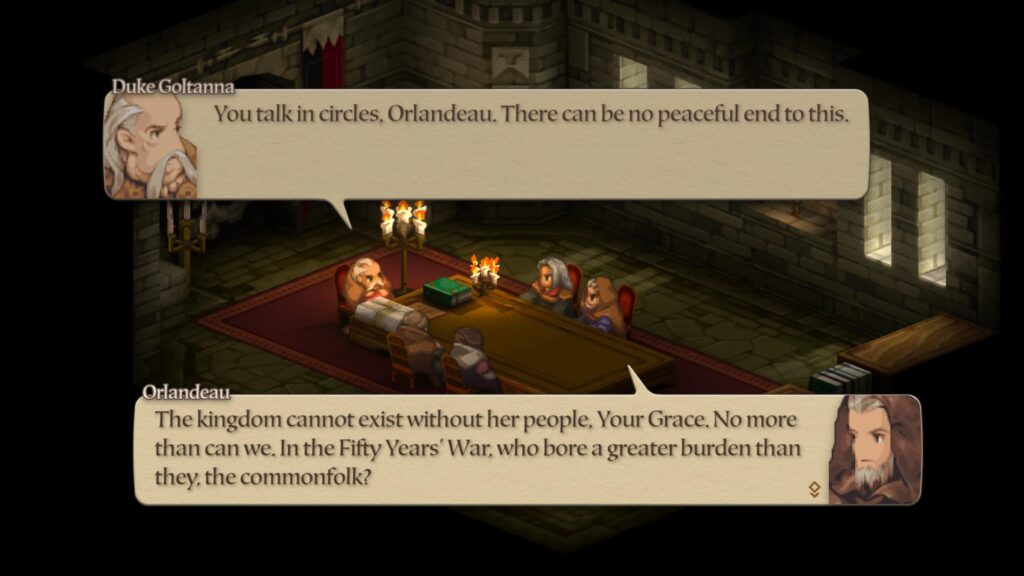
Playing Final Fantasy Tactics as a kid, the plot felt like a straightforward tale of knights fighting monsters with a few confusing betrayals sprinkled in. Returning to Ivalice as an adult with a firm grasp of the English language, however, completely redefined that experience. The narrative of Final Fantasy Tactics is an unflinching, brutally mature exploration of class warfare, religious corruption, and the lengths people will go to in order to secure power.
What impressed me most is just how fresh this run felt. Why? Because I finally understood the systemic themes at play. I understood the crushing irony that even though Ramza uncovered the ultimate truth, those in power ensured that truth remained buried. Seeing the contrast between Ramza’s actual deeds and the fact that he was completely erased from the history books—while the men who manipulated the chaos were hailed as heroes—hit me with a profound weight I couldn’t have grasped 20 years ago. It’s a story about doing the right thing when the world is determined to forget you ever existed or even mark you as a heretic.
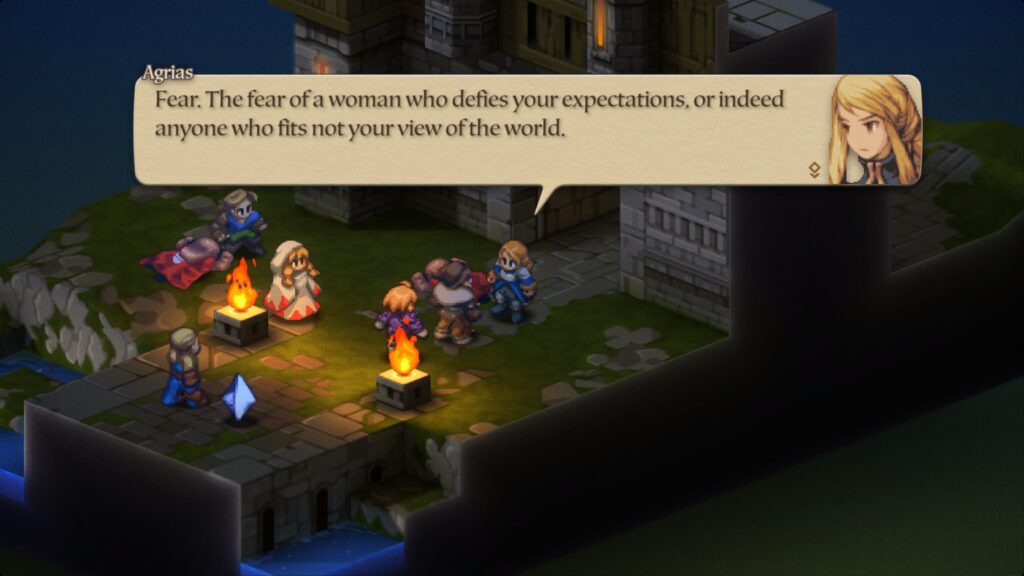
The story doesn’t just stick to broad, safe tropes; it tackles themes that are remarkably relatable to us today, from the societal lens through which we look at women to the way we navigate and doubt our own faiths. These moments remain strikingly clear if you involve certain characters in specific battles, triggering unique dialogues that still manage to surprise and provoke thought.
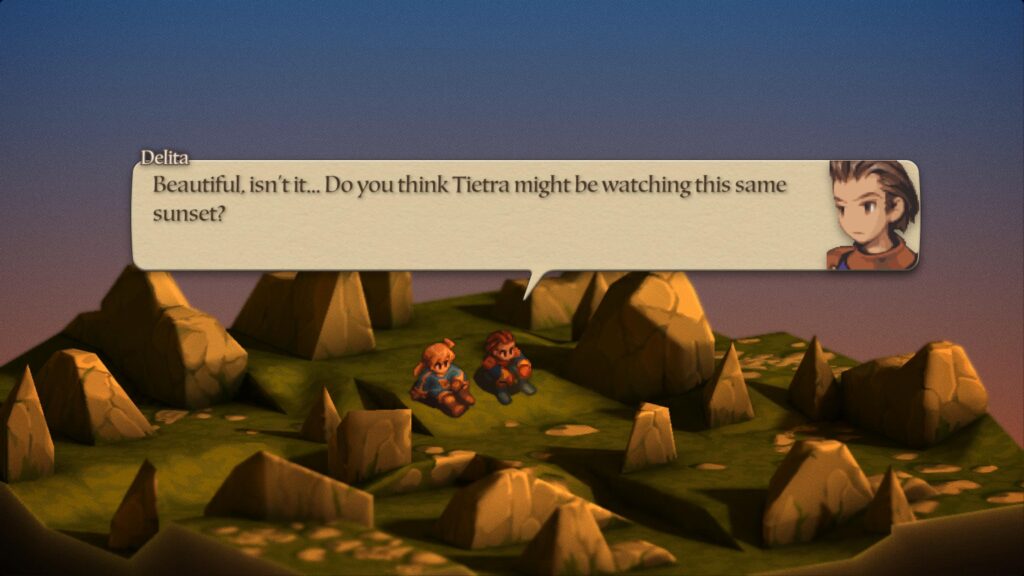
The whole experience is brought to life with the state-of-the-art voice acting featured only in this version. Utilizing voices familiar to many fans, the performances add a layer of humanity that was previously missing. The dynamic between Ramza Beoulve and Delita Heiral remains the absolute emotional anchor of the game. Watching Ramza’s noble idealism collide with Delita’s cynical, ruthless climb from a commoner to a kingmaker hits incredibly hard. Staring down the realities of inequality while listening to these phenomenal vocal performances breathes an entirely new life into Yasumi Matsuno’s heavy dialogue. Characters who once felt like one-note villains now carry a nuanced weight, and the iconic, Shakespearean-style dialogue from the War of the Lions script lands with an emotional punch that text boxes simply couldn’t convey.
Mastering the Grid:
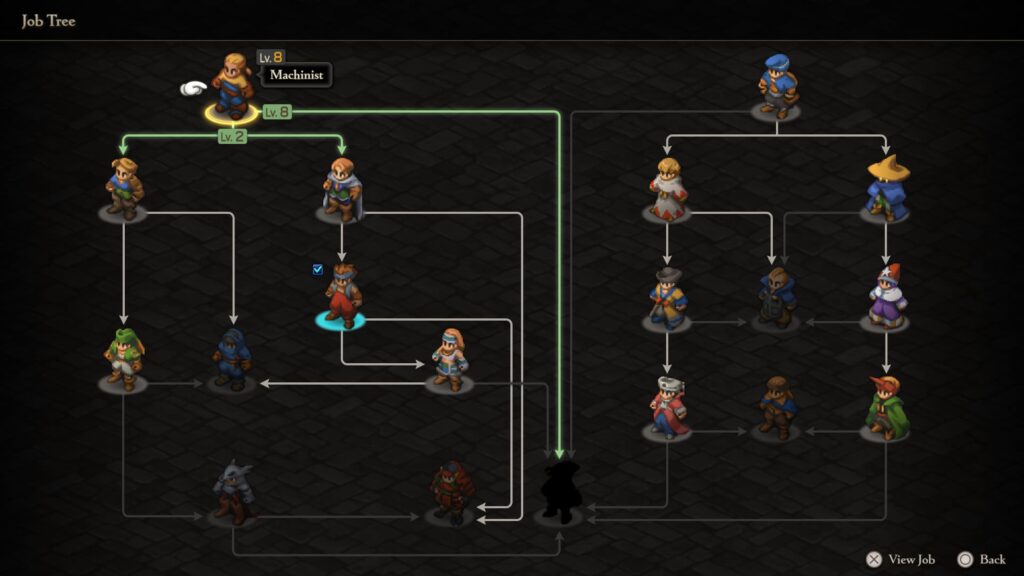
The heart of Final Fantasy Tactics has always been its wildly addictive Job System, and The Ivalice Chronicles wisely leaves the core of that masterpiece intact. You are still trapped in that glorious, rewarding loop of mixing and matching abilities, grinding JP (Job Points), and customizing the perfect squad of Dragoons, Arithmeticians, and Ninjas.
Albeit grindy at times, the loop remains incredibly addictive. Battles take place on a grid—a layout tactical fans know all too well—where you must navigate squares to strategically lure enemies into traps or move in for a decisive kill. Every attack, spell, or skill used earns you JP, which you then use to level up your professions. These jobs branch into a massive tree of unlockable classes, allowing for deep “mix-and-match” customization. However, I have to be honest: coming directly from a game like Tactics Ogre, the variety here occasionally felt less diverse by comparison. The requirements to unlock certain high-level jobs can be quite complicated to track and execute, even though the game explicitly lists the prerequisites. It’s a dense system that demands your full attention.
But sooner than later, you will find the jobs that you feel comfortable playing. Once you buff them up with the right equipment and synergies, you can create an ultimate unit capable of clearing an entire map single-handedly. That being said, some fights are truly grueling. If you intend to fully level every unit, it will take a significant time investment. This is why the game occasionally presents “Kill the Target” objectives. While these allow you to end a battle quickly without wasting time, they come at the expense of potential leveling and JP gains. And speaking of the stakes of leveling: losing a unit starts a brutal three-turn counter. If you don’t revive them in time, they are gone forever—a harsh reality that is a given for any true fan of the Tactics genre.
You Will Never Feel Lost:
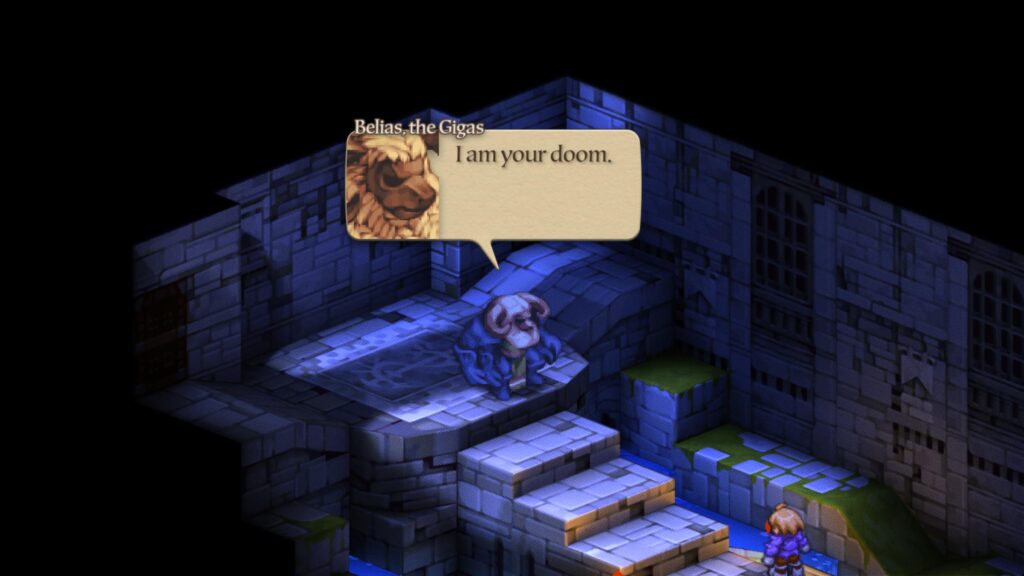
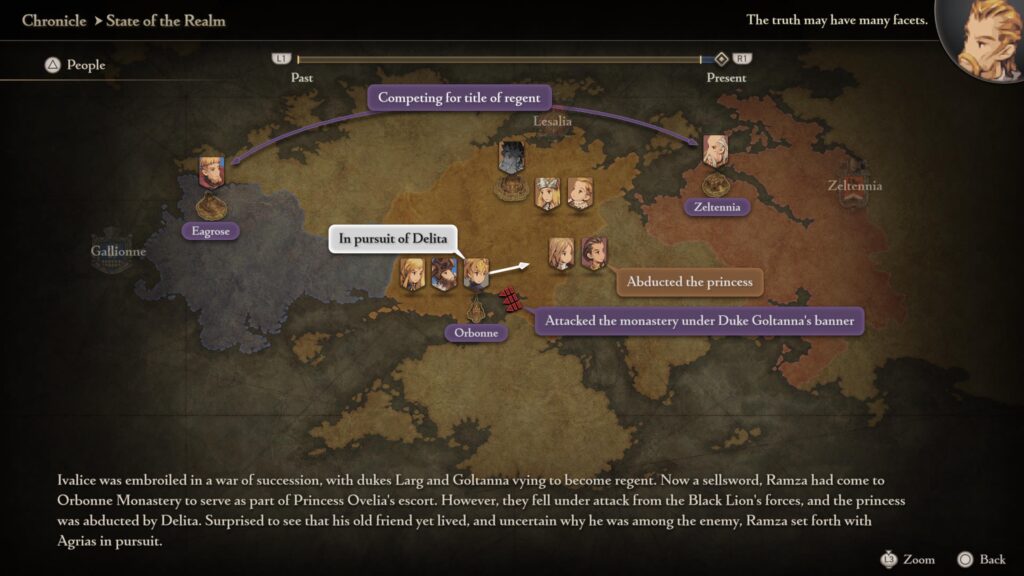
One of the absolute best, and most necessary, additions to The Ivalice Chronicles is a feature directly inspired by Final Fantasy XVI: the interactive State of the Realm. Let’s face it, the political web of Ivalice is notoriously dense. Between the warring duchies, backstabbing nobles, and the shifting allegiances of the Church of Glabados, it was incredibly easy to lose track of who was betraying whom in the original release.
Now, whenever a monumental event shifts the tides of the Lion War, you can open a dedicated timeline map that visually breaks down exactly what just happened. It pinpoints where every major character is located across Ivalice, tracking their movements and faction ties concurrently with your own journey. It completely eliminates that frustrating feeling of being lost in the narrative weeds, keeping the complex political stakes crystal clear at all times.
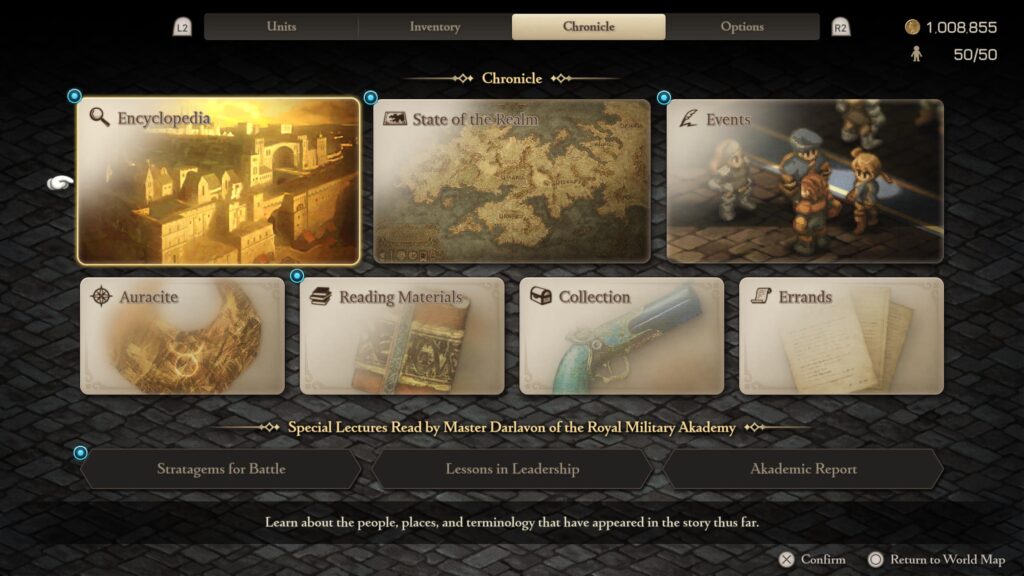
Furthermore, Final Fantasy Tactics has always been a goldmine of world-building, and this remaster leans into that legacy perfectly. The game features meticulously organized chronicle menus where you can dive deep into the lore, reading up on the history of the Fifty Years’ War, character backgrounds, and the mythos of the Zodiac Braves. Square Enix knew exactly how vital this background information is to fully grasping the emotional weight of the campaign, so they brilliantly linked a trophy directly to reading these entries. It’s a subtle but highly effective nudge that heavily emphasizes putting the sword down for a moment to truly appreciate the staggering depth of this universe.
Looks As Beautiful As Ever:
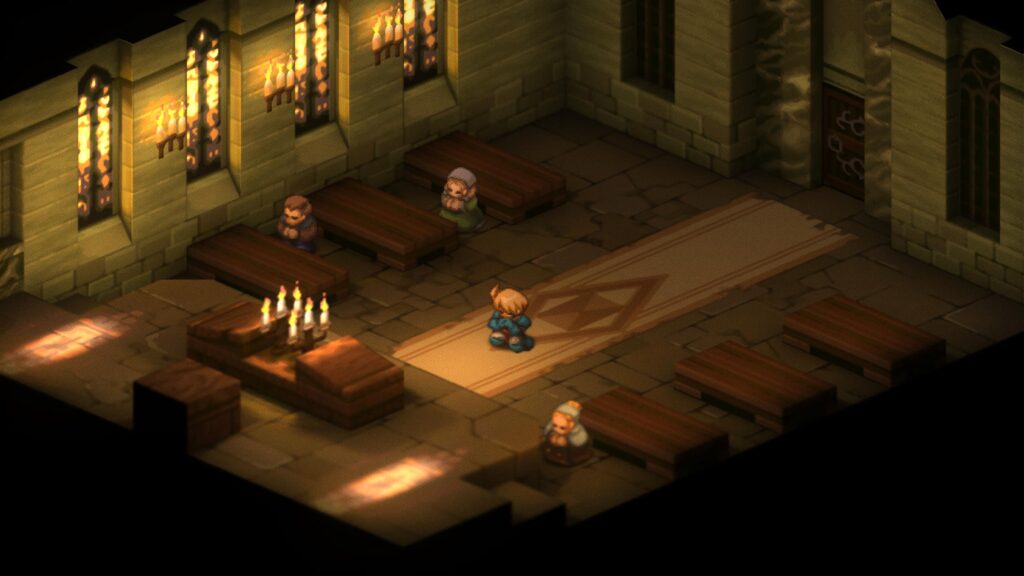
Visually, The Ivalice Chronicles walks a very fine line between preserving the past and embracing the future, and it ultimately succeeds beautifully. Rather than fully recreating the game in 3D, Square Enix applied a stunning watercolor-style treatment to the original sprites and textures. When combined with a soft bokeh depth-of-field effect, the 3D battlefields look like intricately crafted, living dioramas. Akihiko Yoshida’s iconic character designs have never looked better, retaining their classic charm while blending seamlessly into the HD environments.
Then there is the audio design. The original soundtrack has been criminally under-praised over the decades, but this fully remastered orchestral score demands attention. When the grand, sweeping notes of “Trisection” swell during a massive battle, or the melancholic tones hit during a tragic cutscene, the sheer wave of nostalgia is staggering. It is an auditory masterpiece.
As someone who had huge preserve on how Square Enix handled Tactics Ogre Reborn and after diving deep into the unforgiving grid, untangling a politically dense story where true heroes are erased from the history books, and marveling at the beautifully crafted diorama battlefields, my objective conclusion is incredibly clear.
Square Enix has accomplished the rare feat of flawlessly modernizing one of the greatest games ever made without losing its soul. By streamlining the grueling grinding process with brilliant quality-of-life features and elevating Yasumi Matsuno’s timeless narrative with stellar voice acting, this remaster is the definitive way to experience Ramza’s journey.
Did it deliver the experience I’ve been waiting years to try again? Yes, and then some. It successfully bridges the gap between the confused kid who couldn’t pass the second battle and the adult who now recognizes a flawless piece of art and understand the message its story convey. FINAL FANTASY TACTICS – The Ivalice Chronicles is, without a shadow of a doubt, a tactical masterpiece and a perfect game.


- Amazing script touch-up with stellar voice acting beautifully elevates the heavy, political narrative.
- The Job System remains one of the deepest, most rewarding progression loops in the tactical genre.
- Quality-of-life updates (Turbo speed, Tactical View, Undo Movement) completely remove the clunkiness of the 90s era.
- The interactive chronicle is a brilliant addition that keeps the complex political factions perfectly organized.

- The Job Points can be a little bit too grindy
- Some missing desirable content from War of the Lions are missing.
