
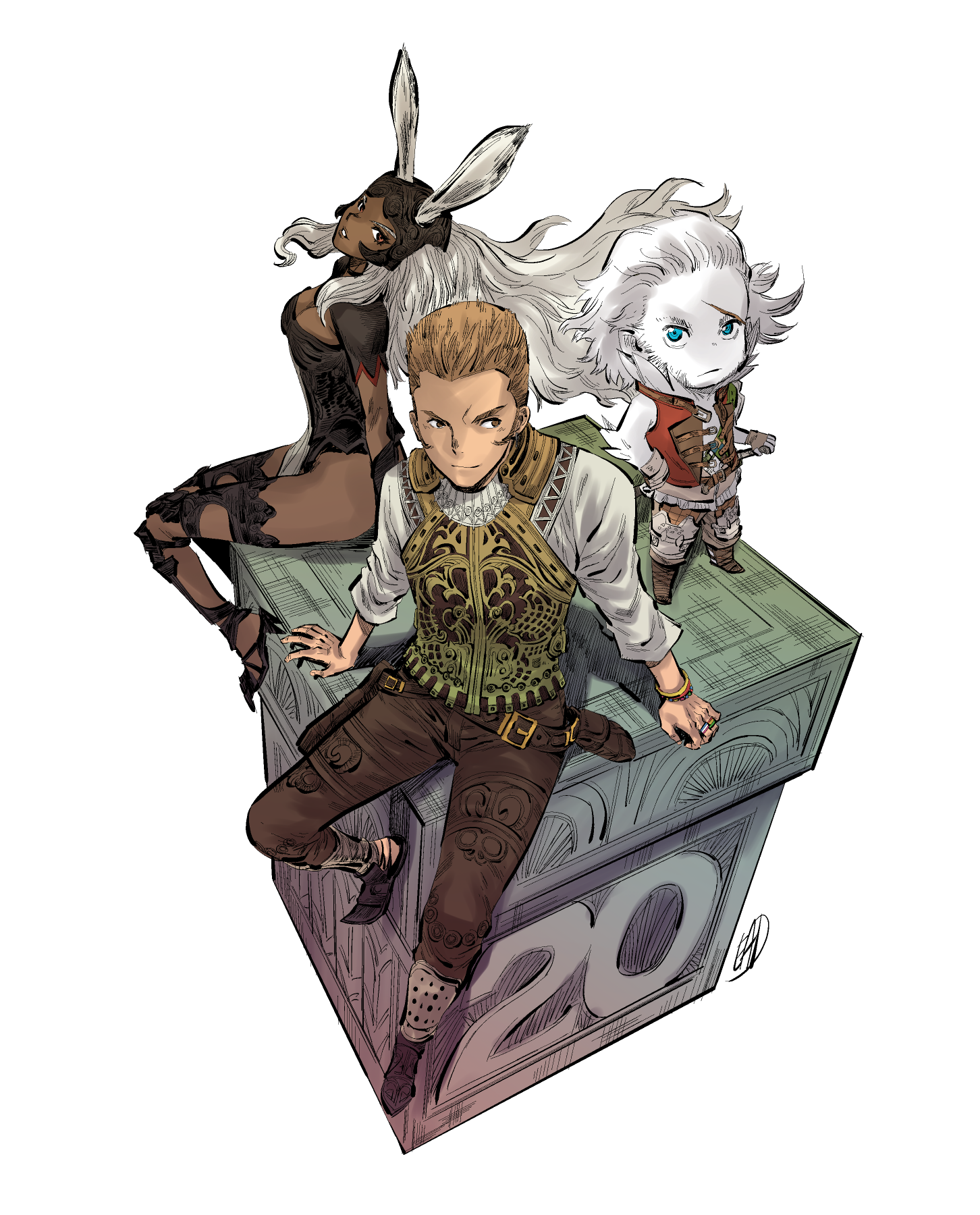
Two decades ago, we returned once more to the world of Ivalice. Burdened with the massive expectations of following up the cultural phenomenon that was Final Fantasy X, Final Fantasy XII didn’t play it safe.
It traded the standard, emotional romances the series had become known for in favor of a grand political epic centered on war, resistance, and sovereignty. It was a massive departure from the franchise’s “Golden Era”—and a masterpiece that was lightyears ahead of its time.
A Shakespearean Tale of Espionage and Sovereignty
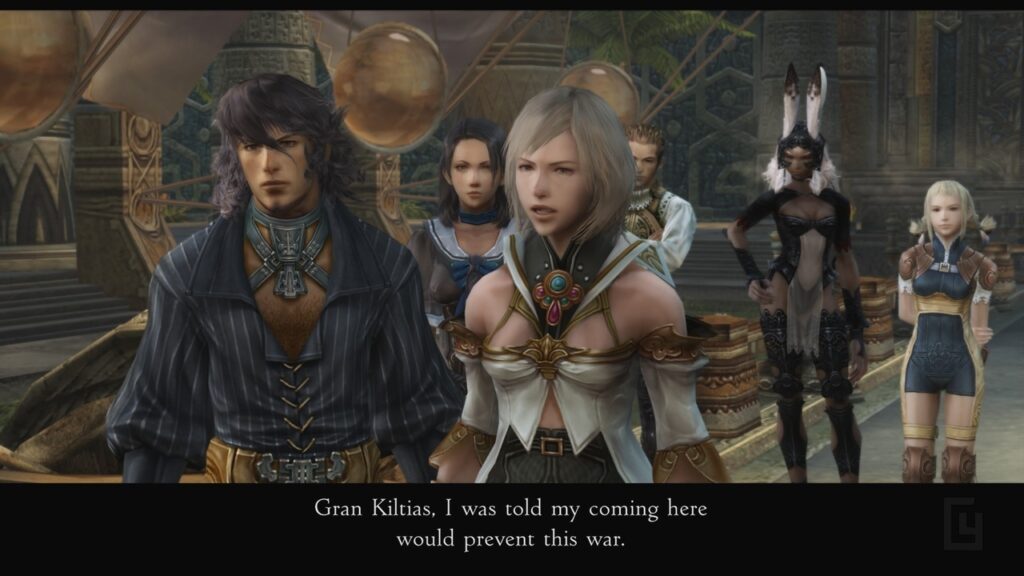
Final Fantasy XII delivered a complex, almost Shakespearean tale of political espionage. Caught between the massive, warring superpowers of Archadia and Rozarria, the narrative grounded itself in the occupied kingdom of Dalmasca. Instead of a straightforward battle against an otherworldly evil, it focused on Princess Ashe’s desperate, often morally grey struggle to reclaim her throne.
It proved that a Final Fantasy story could be just as much about the crushing cost of freedom and the grim realities of geopolitical conflict as it is about saving the world.
The Active Dimension Battle System
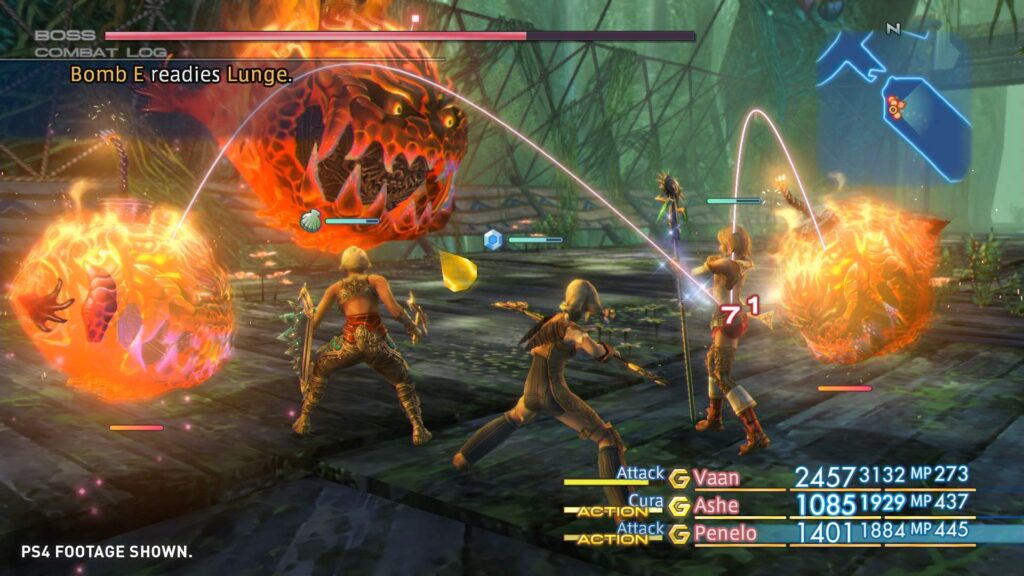
Dropping random encounters for a seamless Active Dimension Battle system, FFXII asked players to step into the role of tactical commanders. The introduction of the “Gambit” system let you program your party’s AI with incredibly deep “If/Then” logic.
As divisive as it was in 2006—and still is for some players who preferred traditional turn-based menus—it is now widely recognized as one of the most innovative combat designs in RPG history. By allowing players to automate the mundane and focus on macro-strategy, it paved the way for games like Xenoblade Chronicles, Unicorn Overlord, and Dragon Age: Origins to become the amazing games they are today.
A Chaotic Creation and a Shifted Protagonist
The creation of Ivalice’s biggest adventure was truly chaotic behind the scenes. Visionary director Yasumi Matsuno stepped down midway through development due to health issues, which resulted in a shift in the narrative’s final act that left some fans feeling it was incomplete.
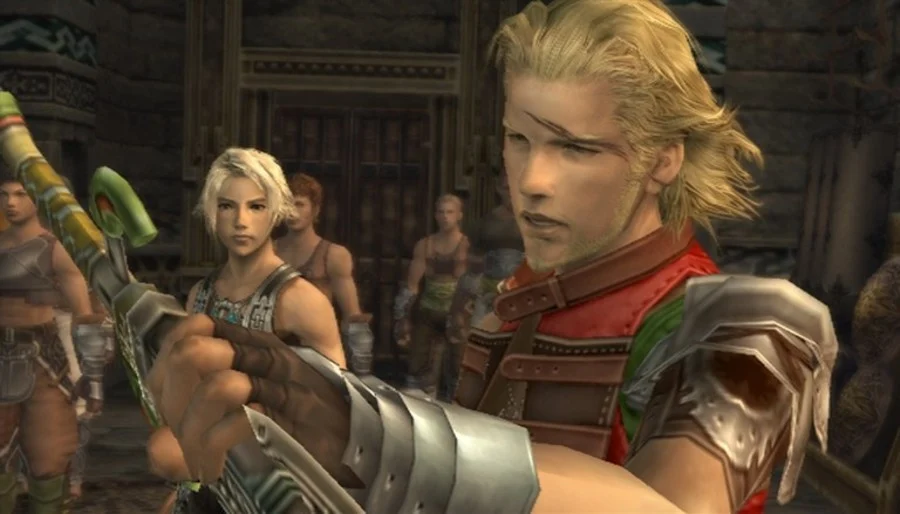
Not to mention the infamous lead flip. The disgraced knight Basch was Matsuno’s original main character. However, fearing an older protagonist wouldn’t sell well to the target demographic, executives imposed the teenage street-thief Vaan as the lead late in development. This executive meddling is exactly why Vaan often feels like a passenger in his own game’s political plot, observing the grand events unfolding around Ashe, Balthier, and Basch.
Despite the intense behind-the-scenes turmoil and the drastic changes to the protagonist, the final game was an absolute juggernaut upon release. It ultimately sold over 7 million copies worldwide. The intricate world-building, the sharp writing, the stellar voice acting, and the brilliant mechanics coalesced into an unforgettable experience. In fact, Final Fantasy XII became the only PlayStation 2 game in history to receive a perfect 40/40 score from the famously strict Japanese gaming magazine, Famitsu.
The Sands of Dalmasca Still Call
We at Ermis love FFXII, and thanks to The Zodiac Age remaster fixing many of the original release’s quirks—such as the dreaded Zodiac Spear chest mechanics and adding the much-needed speed toggle—modern audiences have the perfect chance to experience this gem for themselves. 20 years later, the sands of Dalmasca still call to us.