

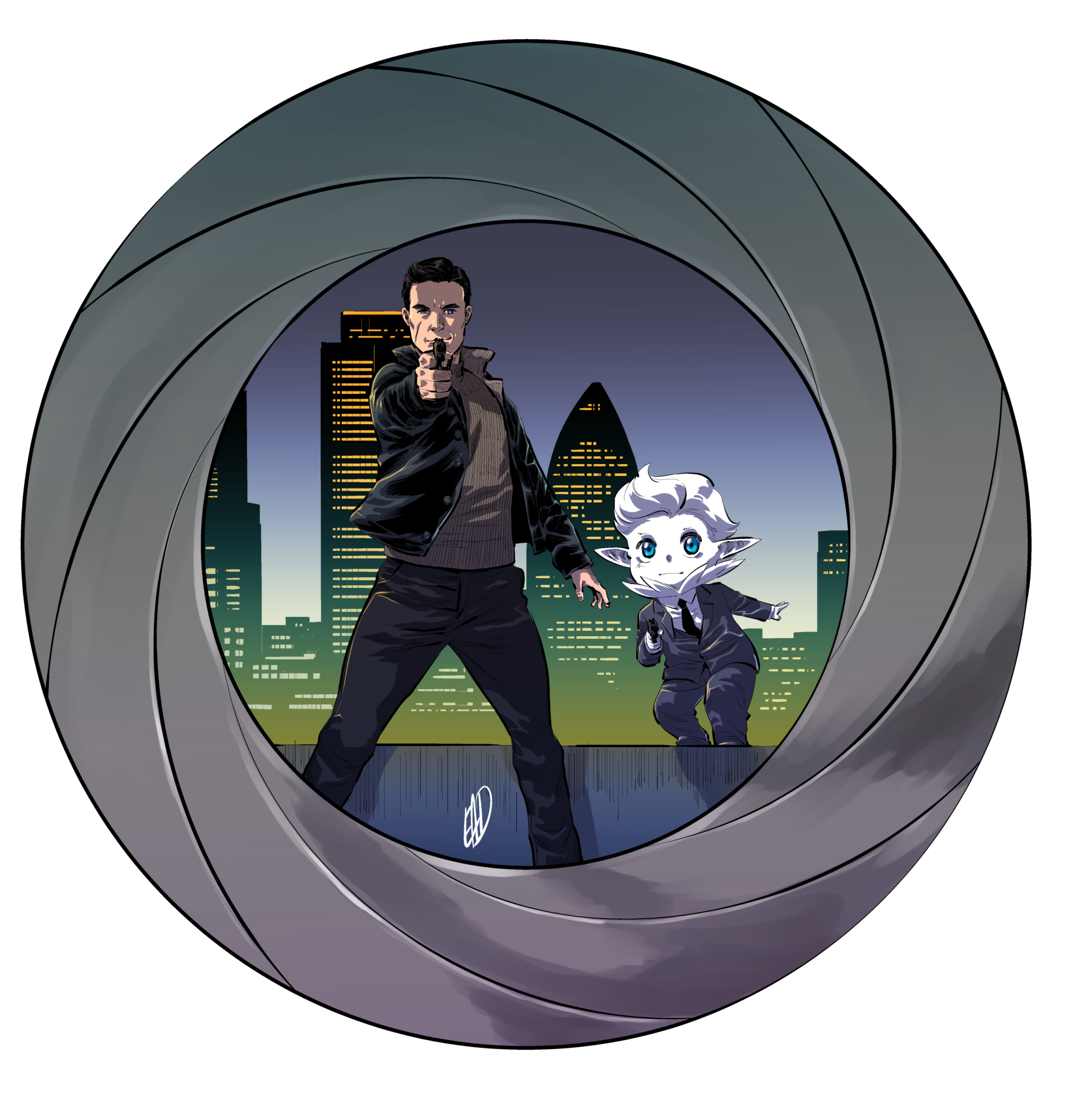
Whenever James Bond games are brought up, the conversation inevitably circles back to one legendary title: GoldenEye 007. The Nintendo 64 classic is still universally revered by players, holding a staggering 96 Metacritic score and setting a near-impossible standard for the franchise. When 007 First Light was announced, my interest was immediately piqued because it looked like we were finally getting a genuinely charming Bond backed by massive production values. Now that I have spent time with it, I can finally share my thoughts on what is easily the most appealing 007 experience since the 90s.

A Brilliant Bond:
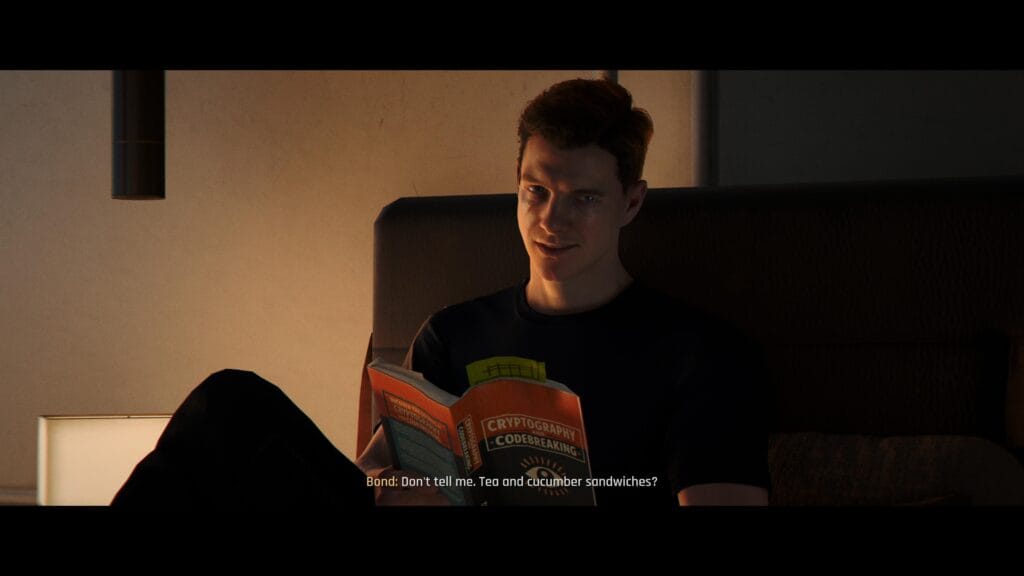
For starters, choosing to frame this narrative around a younger, less experienced James Bond was an excellent decision. On paper, the plot offers exactly what you would expect from a modern Hollywood blockbuster: high-octane action and a mildly interesting narrative about the dangers of AI and corporate influence over global governments. The true gold of this experience, however, lies in how incredibly charming and well-written Bond himself is. This iteration of James is certainly a reckless womanizer, but his sharp wit and surprising naivety make the character feel entirely refreshing. Crucially, his errors in judgment carry genuine weight; the stakes feel incredibly high because the story refuses to let his missteps slide without grave consequences. This strong writing extends to the supporting cast, easily standing as one of the best ensembles ever assembled for a piece of 007 media. Unfortunately, the narrative falls significantly short when it comes to its antagonists, who come across as bland, aimless, and entirely overthought. Yet, their lack of depth barely registers simply because Bond’s sheer charisma and humor effortlessly carry the experience.
Where the story does stumble, however, is in its pacing. Even while establishing itself as the beginning of a trilogy, there are glaring moments that leave you wondering why you are doing certain tasks. A prime example is being forced to repeatedly return to MI6 headquarters just to achieve absolutely nothing. It is a structural flaw that actively ruins the rhythm of the action and drastically diminishes the gravity of the high-stakes events that just took place, dragging down an otherwise thrilling espionage adventure.
A Sweet and Sour License to Kill:
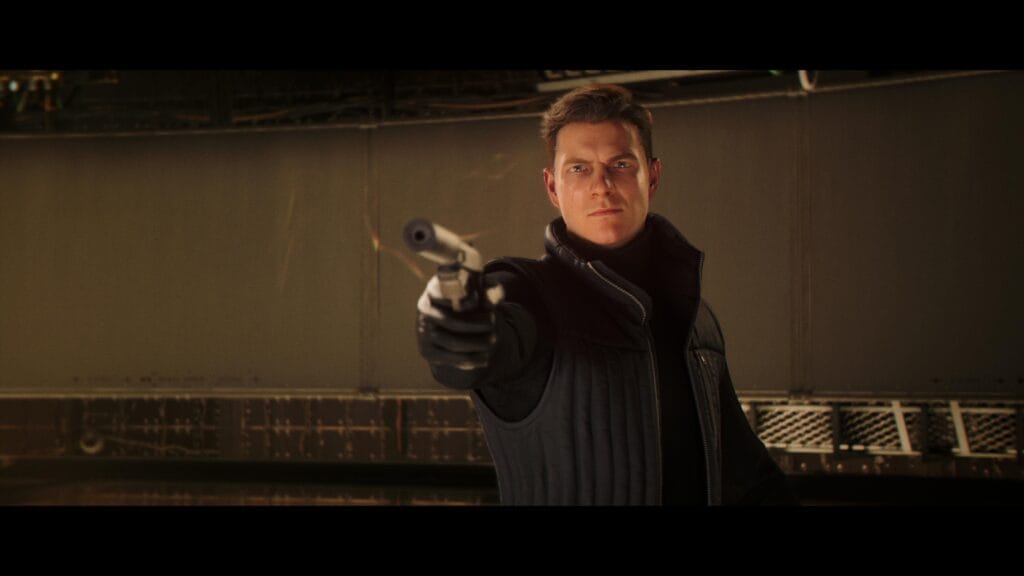
The gameplay is a genuine mix of sweet and sour, showcasing some of the best design choices in the genre alongside some highly frustrating missteps. IO Interactive has brilliantly incorporated the masterclass lessons they learned from the Hitman series, blending meticulous detective work with high-stakes action and environmental puzzle-solving. What makes this system so immensely appealing is the sheer freedom of choice. For almost every objective, you are presented with a dozen different ways to accomplish the mission. If you need to access a restricted room, you can distract the guards and sneak past, scale the outside of the building to slip through a window, or simply bluff your way through the front door—where, surprisingly, the NPCs will actually buy your cover. The developers equip you with an arsenal of classic Bond gadgets that give you even more flexibility. While I frequently used specific tools to effortlessly bypass heavy security zones, the game heavily encourages you to explore and eavesdrop. By listening in on conversations, you organically discover alternative routes and strategies, ensuring you are never left flying blind. It is an incredibly fun, rewarding loop that truly lets you play the spy your own way.
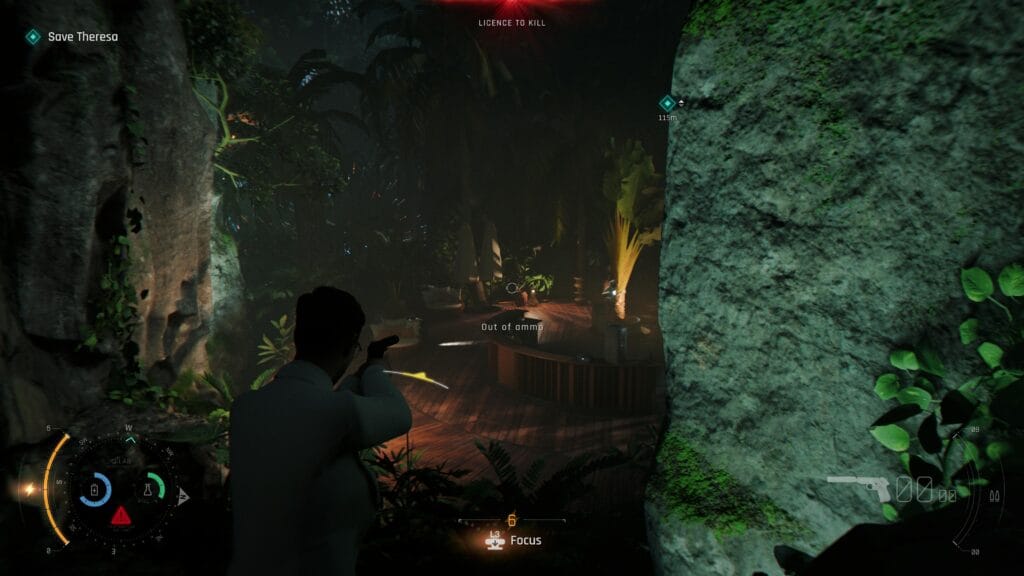
When navigating hostile territory, the gameplay generally splits into two distinct modes: stealthy infiltration relying on melee takedowns, or full-blown “License to Kill” shootouts greenlit by your MI6 handlers. While the concept is thrilling, the melee system is unfortunately highly flawed. Even on Normal difficulty, it is far too easy to die during close-quarters combat simply because you pressed the block button instead of evade. This clunkiness caused a massive amount of stalling during my playthrough, an issue severely compounded by agonizingly long loading screens and unforgiving checkpoints. Dying often means being dragged much further back into the level than you would ever expect, forcing you to slowly replay lengthy sections all over again.
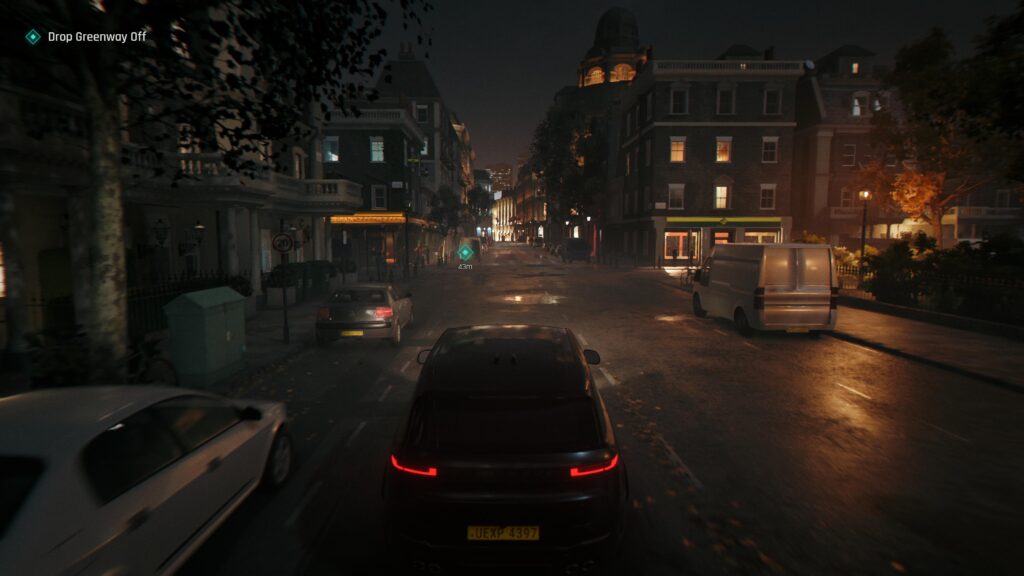
Nowhere is this frustration more apparent than during the final boss encounter. The fight is unnecessarily difficult and remarkably uncreative, lacking clear indicators for what mechanics you are actually supposed to use to survive. I spent the majority of that battle terrified of making a mistake, heavily distracted from learning the mechanics because I knew that a single failure meant being kicked all the way back to the start. However, despite these glaring checkpoint and melee issues, the core shooting and action sequences are undeniably a blast. When the game lets loose, it excels in its sheer diversity of set pieces. Whether you are drifting through high-speed car chases, speeding across the water, or leaping out of airplanes, the staggering variety of locations and adrenaline-fueled scenarios make for a highly unique and entertaining espionage adventure.
A Masterclass in Mission Diversity:
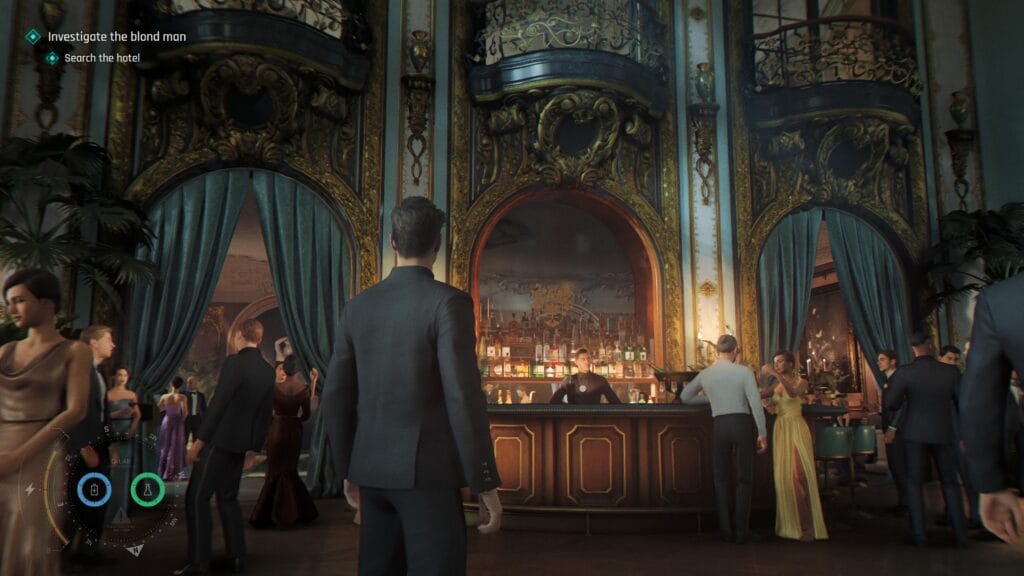
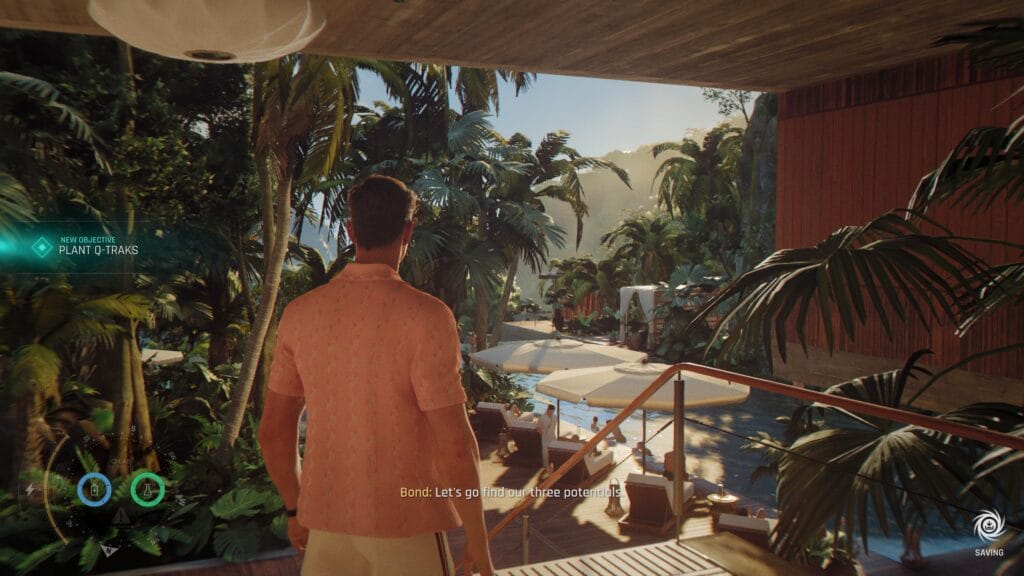
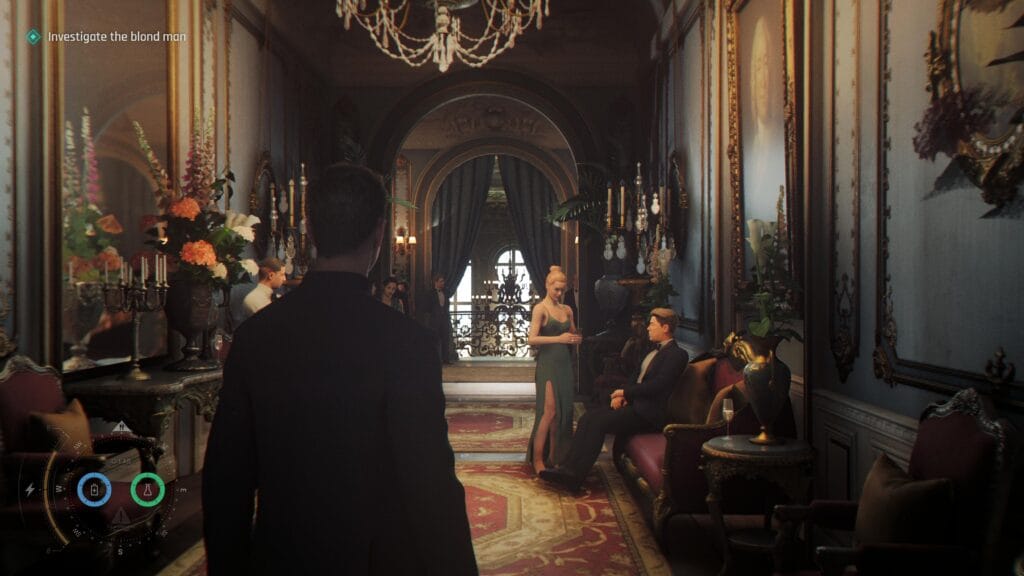
The most impressive aspect of this 15-hour campaign is its astonishingly diverse array of missions and locales. You are constantly jumping from one meticulously crafted environment to another, and remarkably, none of it ever feels like unnecessary filler. Whether you are rubbing shoulders with elites at a high-society gala, navigating the sun-scorched dunes of a sprawling desert, or exploring the vibrant beaches of Asia, the game goes to great lengths to immerse you in its settings to serve the story. What is especially commendable is how respectfully it treats the various cultures and regions you visit. The narrative effortlessly sweeps you from one continent to another, and I genuinely did not expect the globe-trotting scale to feel so cohesive and integral to the overarching spy fantasy.
Beyond just visual variety, each geographical shift brings a completely different flavor to the action. The game brilliantly alters its mechanics to fit the environment, ensuring no two set pieces feel the same. In Thailand, the tension shifts to the water, putting you at the helm of a high-speed boat chase weaving through stunning coastal formations and tight riverways. It demands a completely different sense of control compared to the sprawling desert sections, where you are thrown behind the wheel of a rugged vehicle, tearing across wide-open, shifting sands while fending off heavily armed convoys. Coupled with heart-pounding airborne sequences like the airplane infiltration, the sheer variety in how each vehicle section plays ensures the momentum never drops. It is a thrilling way to chase the narrative across the globe, keeping you constantly on your toes.
A Bespoke Worlds and Very James Bond Sounds
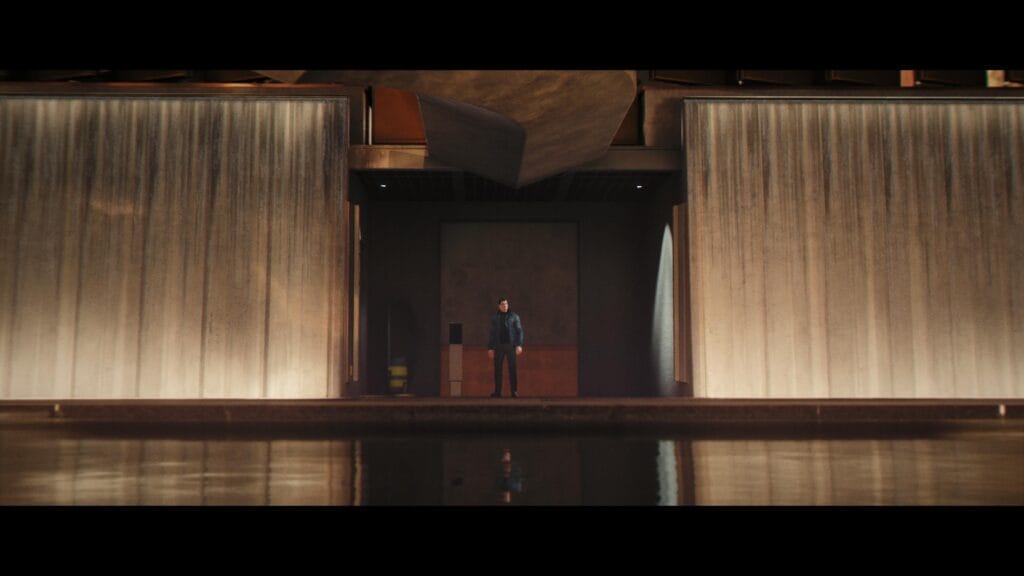
The audio-visual presentation is nothing short of breathtaking, delivering a high-fidelity experience that truly anchors you in its espionage world. The authentic musical score stays incredibly true to the iconic James Bond sound, swelling with the classic brass and sweeping orchestral arrangements you would expect. It pulses perfectly in sync with the on-screen action to elevate the tension, making it feel like you are playing through a genuine cinematic soundtrack. But where the game truly flexes its massive production value is in its graphical fidelity and environmental design. Rather than cutting corners or recycling assets to pad out the runtime, the developers went out of their way to construct entirely new, massive areas just to serve specific, isolated missions. The dedication to this level of craftsmanship is staggering. You will find yourself deployed into meticulously rendered, bespoke environments that exist solely for a single narrative beat. They clearly did not take this task lightly; the lighting, the intricate textures, and the sheer scale of these unique locations look absolutely beautiful, proving that every single set piece was crafted with a deliberate, cinematic vision in mind.
007 First Light is a beautifully flawed blockbuster that ultimately succeeds on the sheer charisma of its leading man and the breathtaking scope of its world. While the clunky melee mechanics, unforgiving checkpoints, and mid-game pacing issues occasionally threaten to derail the mission, the staggering environmental diversity and brilliant freedom of choice more than make up for the stumbles. The developers have crafted an authentic, high-stakes espionage adventure filled with bespoke locations, a phenomenal soundtrack, and a genuinely captivating younger Bond. It is not a flawless operation, but its undeniable charm and massive production value solidify it as the most compelling James Bond experience we have seen in decades. 007 First Light occasionally stumbles in the shadows, but Bond’s irresistible charm and blockbuster scale make this one of the greatest espionage thriller since GoldenEye.


- A refreshingly charming and well-written younger James Bond whose sharp wit and high-stakes naivety effortlessly carry the entire narrative.
- A masterclass in mission freedom inspired by the Hitman series, allowing players to organically tackle objectives using gadgets, stealth, or clever bluffing.
- Breathtakingly diverse and massive bespoke environments across the globe that ensure the 15-hour campaign never relies on unnecessary filler.
- A thrillingly dynamic gameplay loop that constantly shifts mechanics, seamlessly transitioning from high-speed car chases to heart-pounding moments like jumping out of airplanes.

- A highly flawed and clunky melee combat system that frequently results in frustrating deaths, even on standard difficulty settings.
- Agonizingly long loading screens coupled with unforgiving checkpoint placements that force players to repeatedly replay lengthy sections.
- Tedious mid-game pacing issues exacerbated by aimless backtracking, such as repeatedly returning to MI6 headquarters for little to no narrative reward.
- Bland, overthought antagonists that culminate in a remarkably uncreative and excessively difficult final boss encounter lacking clear mechanical indicators.
