

Silent Hill 2 Review:
Let’s be honest. When the Silent Hill 2 Remake was announced with Bloober Team as the developer, many of us were skeptical. I was among the loudest of the doubters. This wasn’t about questioning Bloober’s skill; it was about protecting a legend. Silent Hill 2 isn’t just a game; it’s a hallowed text of the genre, a personal touchstone for me and countless others. I went into the game with my defenses up, ready to dissect every misstep and prove my caution was warranted. I’ve never been happier to be wrong. This is the story of how Bloober Team and Konami resurrected a horror classic, and this is my Silent Hill 2 Remake review.
A New Kind of Fear:
For the longest time, survival horror was defined by its biggest hitter, Resident Evil, which mastered the art of zombie outbreaks, corporate conspiracy, and jump scares. Its dominance in the last three generation of consoles left a clear template for what a horror game should be. But as much as I am a huge fan of Resident Evil, I always was left thirsty for a horror that came from within its theme not just its presentation, which we were lucky enough that we got a game like Alan Wake 2 which was a masterpiece of its own and gave us the best psychological horror experience of the generation last year.
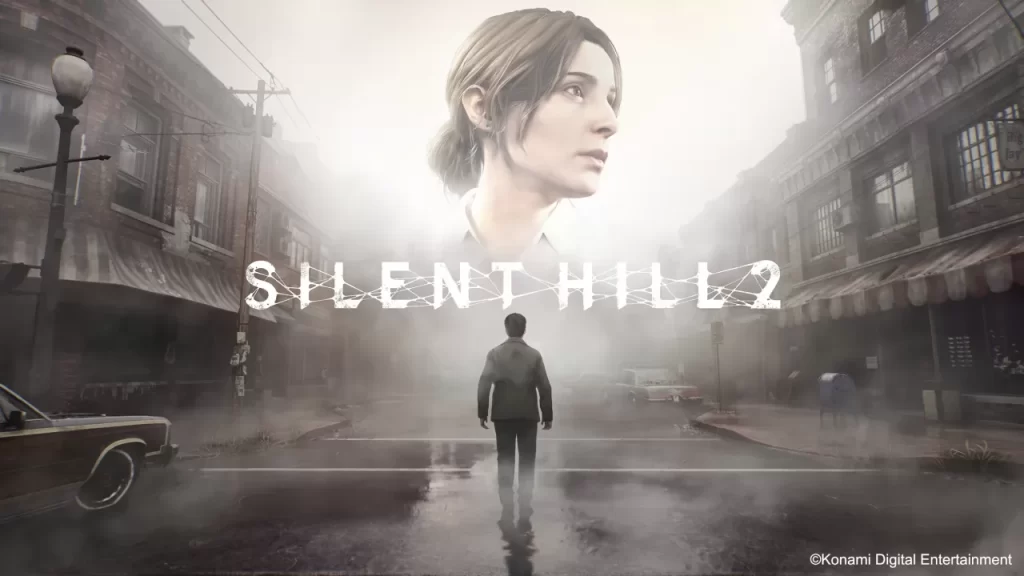
But in the first few minutes of Silent Hill 2 Remake, it hits you right away how it is all different, the melancholic feeling that you never knew you wanted from your horror games is there, the oppressive and sorrowful sensation that arises not from a cult, but from a deeply personal tragedy. It’s a place where the dread comes from introspection, and you fear not just what’s in the fog, but what’s in your own heart, a feeling that was entirely new to gaming at the time of the original but now remade anew. I couldn’t help but say to myself, “This is what I really want in my horror games,” even though I was just standing in a grimy roadside bathroom reminiscing the feeling this game originally gave me 23 years ago. Silent Hill 2 Remake, from its very first moments, presents you with an atmosphere of profound sadness that gives you every reason to walk slowly, not out of caution, but out of a heavy, emotional weight.
As I continued my descent into the town, Silent Hill 2 Remake continued to deliver on this unique promise, keeping me enthralled not with cheap scares, but with a pervasive, psychological unease. Not only that, the game presented a coherent, allegorical story, gameplay that served its themes, and characters so tragically broken that the entire journey became a masterpiece of interactive storytelling, worth every second of its suffocating runtime.
The Right Amount of Nostalgia:
The moment I pressed the start button, a flood of nostalgia hit me, but it wasn’t just for the original game. It was for the very essence of Silent Hill itself that was brought back with this remake. Bloober Team didn’t simply create a remake; they created a time machine. The game starts like Silent Hill, plays like Silent Hill, and has that signature clunky feel that defines the series. From the way you face and fight enemies to how you solve cryptic puzzles and explore the fog-shrouded streets, every element is a meticulous recreation of what makes Silent Hill the franchise we all cherish.
This authenticity is what made me the happiest fan in the world from the very start. The design choices we were all so wary of, the very things that made us question if Bloober Team was the right choice, proved to be their greatest strength. They didn’t shy away from the original’s quirks; they embraced them, creating an experience that is deeply faithful to the source material. It’s a game that feels both new and comfortingly familiar, and a testament to a studio that truly understood the assignment.
A Letter From A Dead Wife:
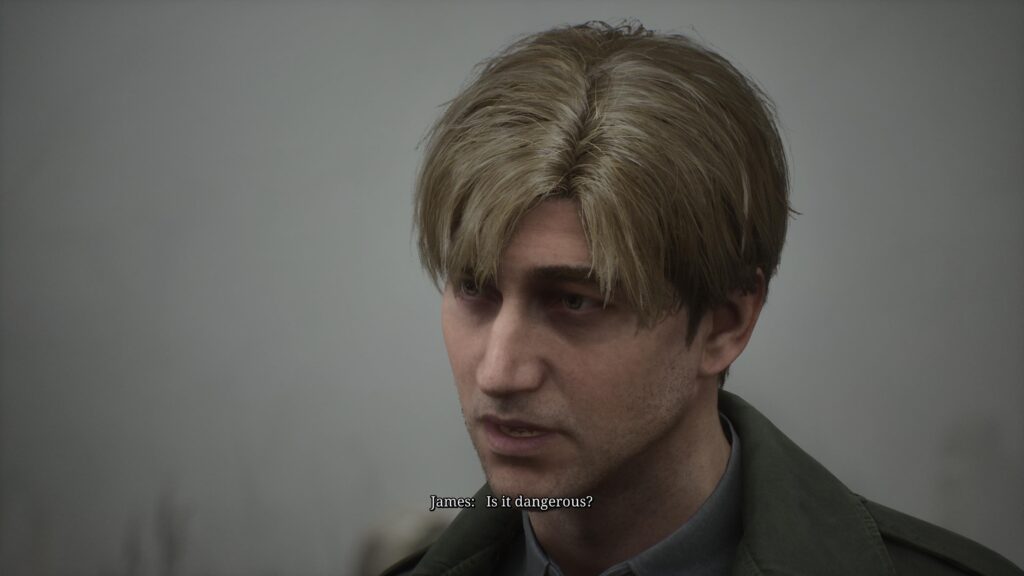
In Silent Hill 2, you control James Sunderland, a man who receives a letter from his wife, Mary, who has been dead for three years. The letter beckons him to their “special place” in Silent Hill, sending James on a desperate search for answers in the fog-shrouded resort town. What I found truly amazing is that the story functions as a perfect standalone experience, you don’t need to play any previous games and you need zero knowledge about anything Silent Hill to become fully invested in James’s plight.
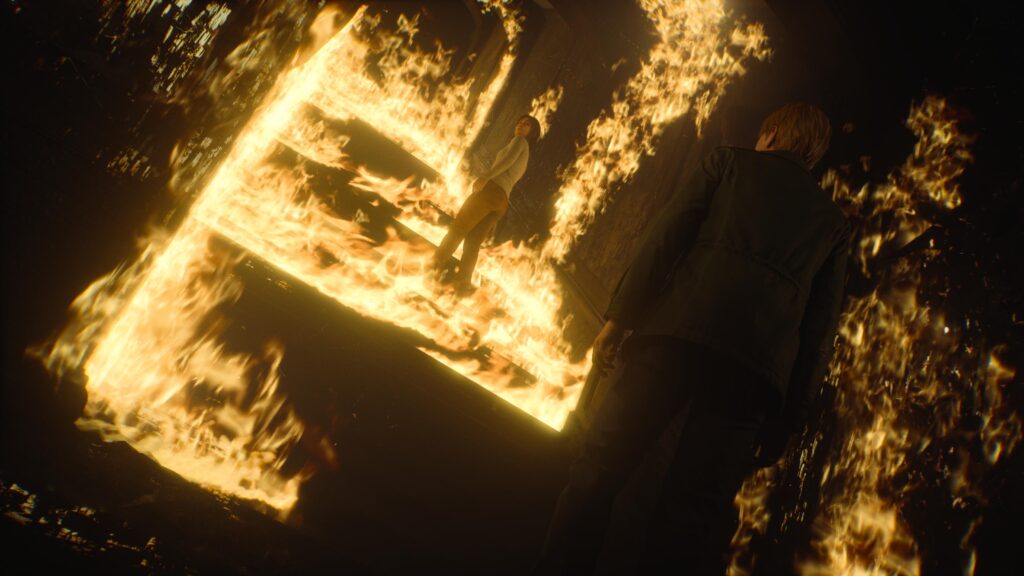
This is where the game’s narrative genius is showcased. The story is not about saving the world; it’s about saving yourself, or perhaps, failing to. It’s an incredibly intimate and mature story about grief, guilt, denial, and punishment. The narrative is woven with such deliberate ambiguity that it respects the player’s intelligence, allowing for interpretation and reflection long after the credits roll. The team of writers tackled one of the toughest jobs known to writers: telling a story where the main antagonist is the protagonist’s own psyche. And for me, this was the first game that proved video games could explore complex human emotions with the depth of literature or film. The storytelling was subtle, symbolic, and deeply affecting, culminating in multiple endings based on your actions that all feel earned and devastatingly appropriate.
Not to mention, the amazing performances, whether motion captured or voiced, added a second, well-built layer to the game that showcases how brilliantly the original story was written. The ambiguity is still there, but it’s now punctuated by moments of undeniable human suffering. The writers and actors for the remake tackled yet another the tough job in the industry: reinterpreting a beloved script without betraying its core. They had to make the subtext readable without spelling it out. And for the first time in a modern horror remake, the game kept me hooked not just by its gameplay, but by my dread for the characters’ emotional fates. I loved the storytelling for its newfound cinematic flair, which amplified the psychological horror without sacrificing the player’s need to interpret the events for themselves. It will definitely stay with me for a long time due to how well it was re-established and progressed leading to its familiar, yet freshly devastating, endings
Still Silent Hill, With A Modern Perspective:
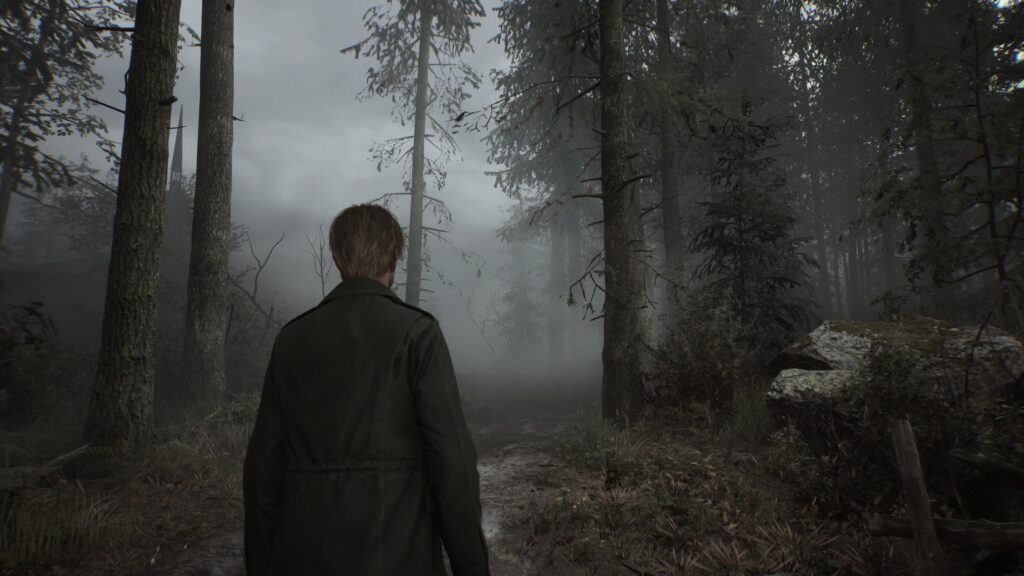
Before delving deep into the basic gameplay mechanics, I want to highlight one that I was most worried about: the new camera. The remake trades the original’s fixed camera angles for a modern, over-the-shoulder perspective reminiscent of the Resident Evil remakes. By far, this is the game’s biggest and most successful gamble, transforming the feel of exploration and combat.
Instead of being a passive observer of cinematic, pre-determined shots, you are now grounded firmly in James’s perspective. This intimate viewpoint makes exploring the decaying apartments and fog-drenched streets a more personal and terrifying experience. The sense of claustrophobia is heightened as you manually pan the camera around a corner, not knowing what you’ll find. And oh boy, most of the time, there is something lurking there. I found myself enjoy walking very slowly and explore every corners, because often than not there is a monster lurking and I can catch it before it moves and be like “Aha, I got you there” before masterfully end it with two shots of my gun.
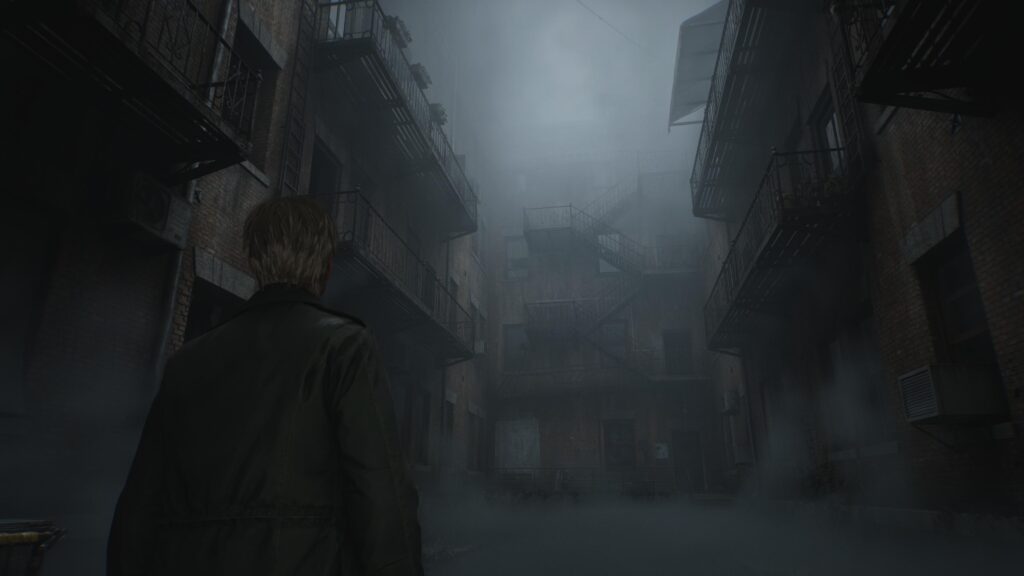
The fog this time round is no longer a technical workaround but a breathtaking, volumetric force of nature. The shift to the Otherworld is a visual spectacle of peeling rust and pulsating organic matter, seamless and horrifying. Bloober Team’s talent for environmental art is on full display here that left me really amazed.
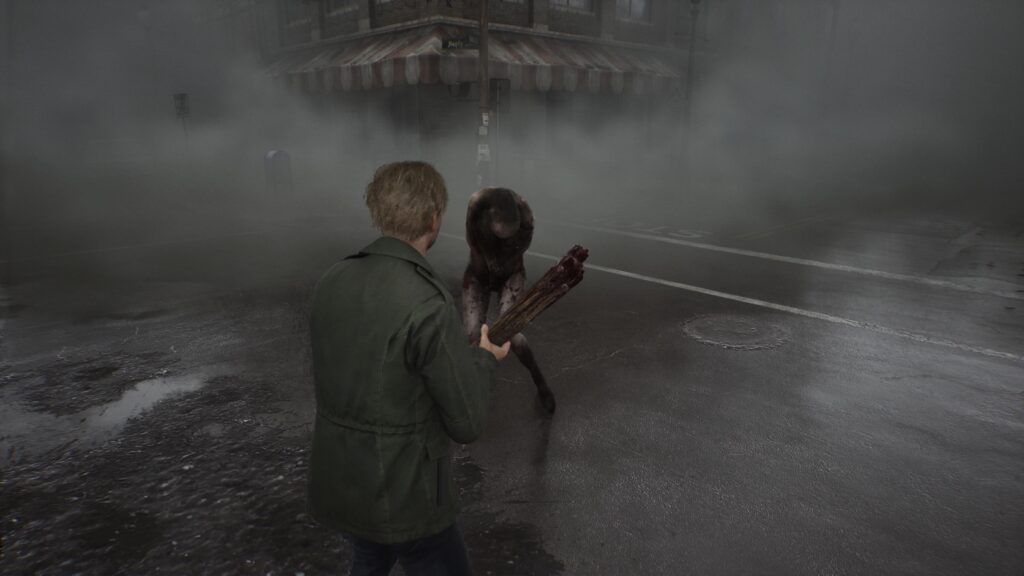
The rest of the gameplay inherits the spirit of the original while adding and refining it. Monsters can now be fought with a completely rebuilt combat system. The general idea is no longer a clumsy swing; it’s a desperate, weighty fight for survival with a proper aiming system and dodge mechanic. Although it empowers the player, I found it was balanced well. Enemies are more aggressive and intelligent, forcing you to use every tool at your disposal, and trust me I mean every tool, because often than not you are not going to be the only one dodging, especially when you press that trigger.
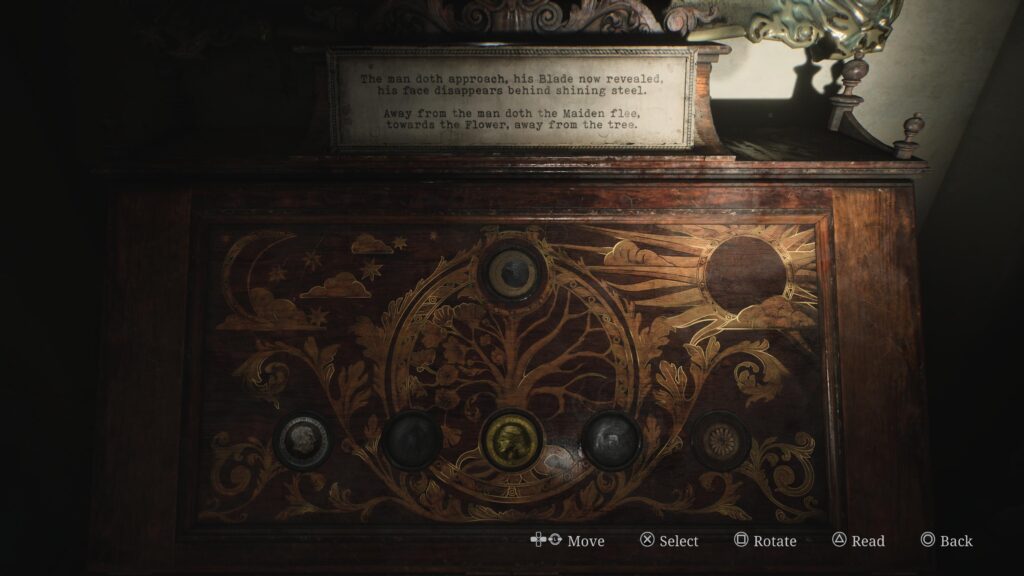
Both the puzzles and resource management have been re-tuned. In James’s journey, you will still find safes, stashes, and locked boxes that require you to search the environment for clues. The classic riddles are back, some identical and some cleverly remixed to challenge veteran players. The remake avoids the modern pitfall of over-simplifying these brain teasers, trusting the player to solve them, just like the original did. But also you can choose how hard you want them to be from the get go, which is a nice touch for those who wouldn’t want to scratch their head and just in it for the action.
A Nightmare on A Map
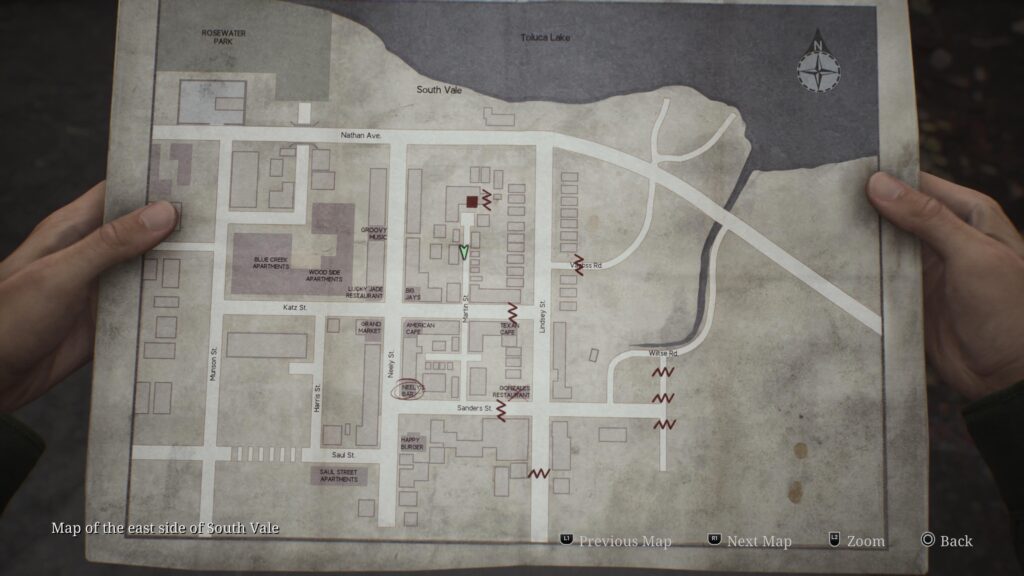
One of the greatest fears in remaking a classic is that the developer will streamline the soul out of it, replacing challenging navigation with a glowing waypoint. The original town of Silent Hill was a character in itself, and its exploration was a core part of the experience. I am thrilled to tell you that the remake understands this perfectly. The layout of the city is painstakingly faithful; walking down the foggy expanse of Nathan Avenue or cutting through the eerie silence of Katz Street feels like coming home to a nightmare you know by heart. Key locations, from Rosewater Park to Brookhaven Hospital, are exactly where your memory tells you they should be.
What I found truly amazing is the commitment to the original’s map mechanic. There is no mini-map, no GPS. To find your way, you must stop, press a button, and watch as James physically pulls out his tourist map. He’ll mark points of interest, circle clues, and draw a line through impassable roads, just as he did in 2001. This simple, diegetic act is brilliant because it forces you to be vulnerable. Standing still to read a map while the groans of a nearby creature echo in the fog is an exercise in pure tension. This process makes navigation an engaging and rewarding puzzle. Successfully charting a course through the hostile streets and finally arriving at your destination feels like a genuine accomplishment, making the exploration not just a means to an end, but a core, and incredibly fun, part of the gameplay loop.
Confrontation of the Soul:
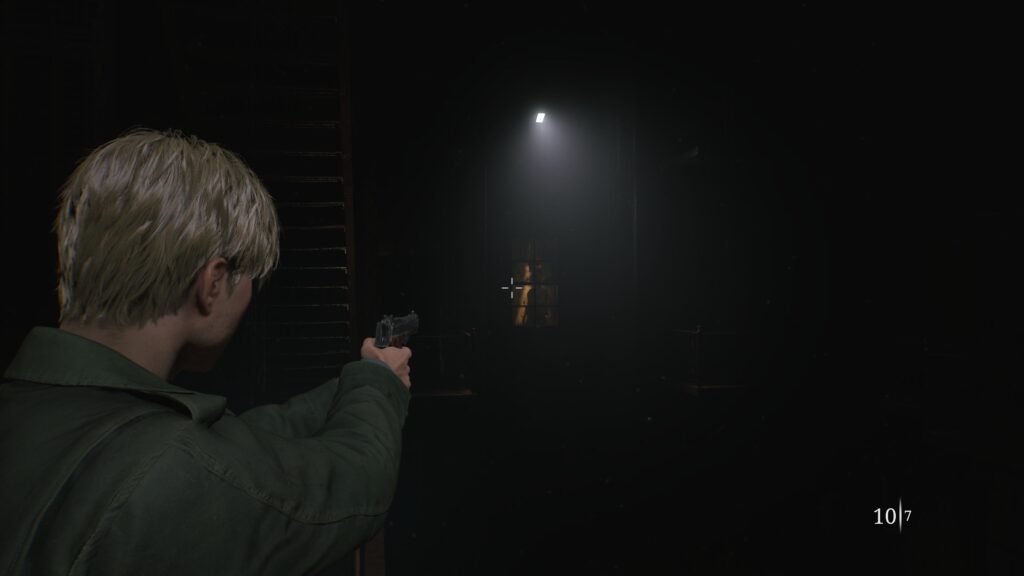
What I found profoundly powerful in the Silent Hill 2 Remake were the boss battles. Where many games present bosses as mere gameplay obstacles, here they are the horrifying climaxes of narrative threads, each one a symbolic confrontation with the psyche. The encounters are not just fights; they are revelations, and they have been woven into the story’s themes with an amazing and terrifying finesse.
The recurring appearances of Pyramid Head are a masterclass in this philosophy. He is less a “boss” and more a force of nature representing something really important about the game’s theme itself. Your first encounters aren’t about winning; they are about surviving his terrifying, unstoppable presence. Each battle he appears in is a devastating interactive story beat; your objective isn’t just to stay alive, but to protect this manifestation of delusion, a fight you are destined face. It’s a brilliant fusion of mechanics and metaphor.
Nowhere is this more potent than in the encounter with the “Abstract Daddy.” The build-up to this fight, makes the confrontation almost unbearable. The battle itself takes place in a claustrophobic, fleshy room, and the monster’s design is a grotesque depiction of who he is. It is a profoundly uncomfortable and brutal fight, designed not to be “fun,” but to be emotionally devastating. You are not fighting a monster; you are fighting someone’s pain, and the victory feels hollow, serving only to highlight the depths of the tragedy. These battles are unforgettable because they aren’t about defeating a monster; they are about confronting a truth, making them some of the most meaningful and well-integrated boss encounters in the history of the genre.
The Sound of Rebirth:
By the time I played it, the game was a technical marvel. The graphics are eerie and fitting, making it one of the best-looking survival horror games out there. The performance in Unreal Engine 5 is stunning, with ray-traced lighting and detailed environments that bring the town to life in horrifying fashion.
I can’t think of a more anticipated element than the score, and Akira Yamaoka’s return is triumphant. The soundtrack is a mix of re-recorded classics and new ambient pieces that are perfect. I often found myself leaving the controller to listen to the entire thing because yes, “Theme of Laura” sounds that good with a modernized orchestra. I commend the team at Bloober for bringing Yamaoka back to ensure the game’s sonic soul remained intact.
The voice acting was superb, and since this game has a new layer of performance capture, the actors did an amazing job selling their roles. The raw emotion from the new cast added to the experience immensely, finally giving the powerful script the delivery it has always deserved.
But nothing captivated me more than the sound design, this game has the best sound design ever known in a video game, I play may games on a 7.1.4 surround system and oh boy they game come to live. The team at Bloober used the finest Dolby Atmos technology to make every sound plays in different channel creating the best sound design in a horror movie yet. More often than not the way I got really scared is because the game presented me with new sound channels that I never thought I would be experiencing. Such a master class in sound design that needs to be studied and taught.
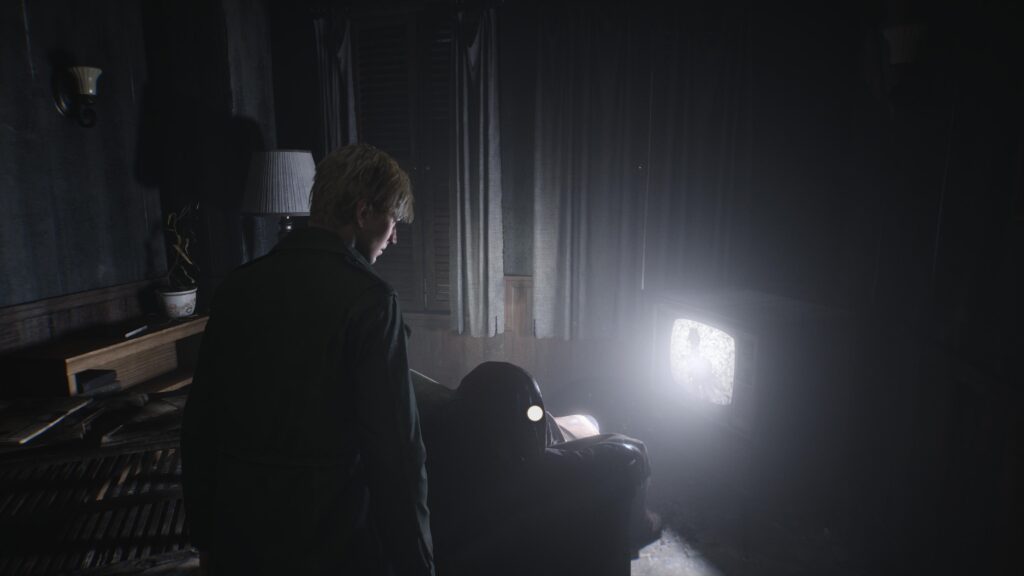
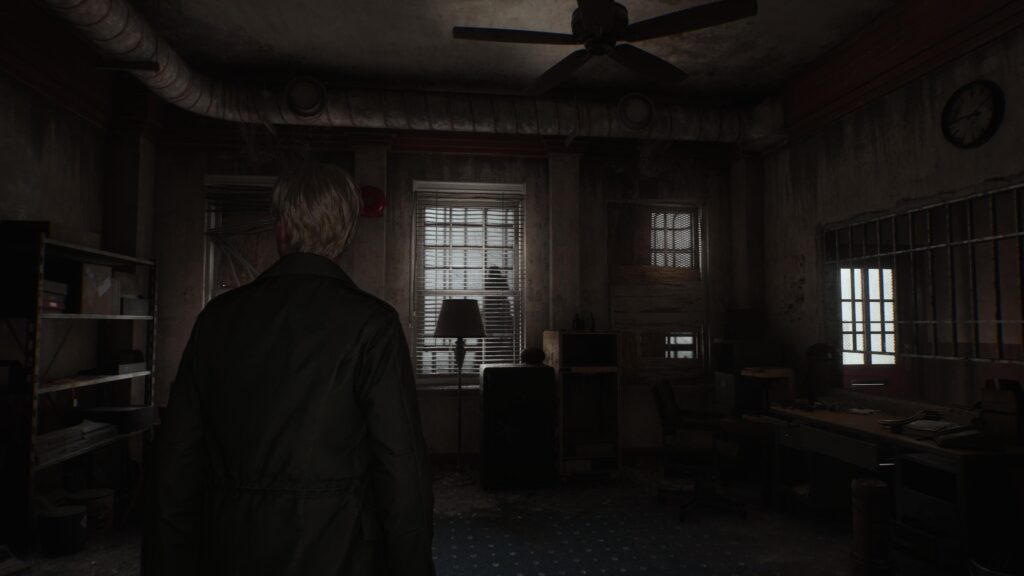
The Silent Hill 2 Remake surprised me with what it had to offer. It presents a fine mix of respectful preservation and confident modernization, resulting in a game that is a must-buy for any gamer. With powerful characters, a superb story, a stunningly realized world, and a gameplay style that finally feels as good as the game’s story, the Silent Hill 2 Remake finds itself in a very comfortable place as a new pillar in the survival horror realm. If you want to experience a masterpiece that you will not be able to relive once again, the Silent Hill 2 Remake is definitely for you. Do not sleep on it.

- Masterful sound design that utilizes Dolby Atmos technology to create an immersive, terrifying auditory experience that is a benchmark for the industry.
- Intimate and powerfully reinterpreted storytelling that respects the player's intelligence while exploring complex themes.
- The boss battles are elevated beyond simple combat, serving as powerful, symbolic confrontations making them some of the most meaningful encounters in the genre's history.
- Successful modernization of core gameplay elements, including a refined combat system, while preserving the original's puzzles and tense resource management.

- Minor bugs and clunky mechanics.
