

Monster Hunter Wilds Review:
I have fond memories of Monster Hunter World; it remains, by far, one of my favorite games of all time. From the very moment my best friends and I dove into the BETA and spent hours prasing it, to when we all picked up the game on day one and poured hundreds of hours into it, forging a bond over every hunt and narrow escape.
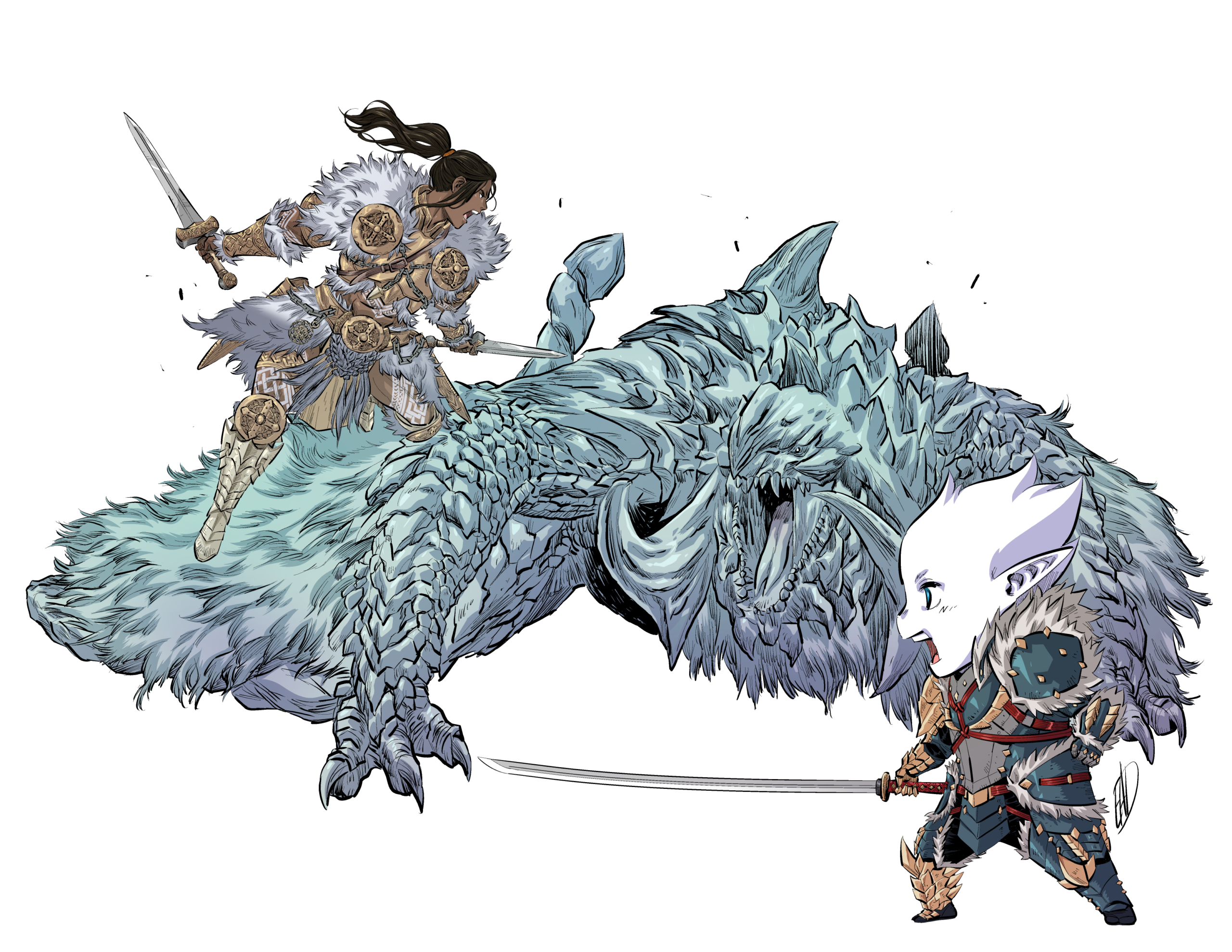
When Monster Hunter Wilds was first announced, I was filled with a sense of unreasonable excitement. I reached out to the old gang—friends whom the passing years had started to drift apart—hoping we could all reunite for old times’ sake, and we surely did. Now, after dozens of hours exploring this new frontier with them, it’s time to return to the keyboard and with the help of my little guy, Ermis, I’m ready to share our take on whether Wilds lives up to what World gave us.
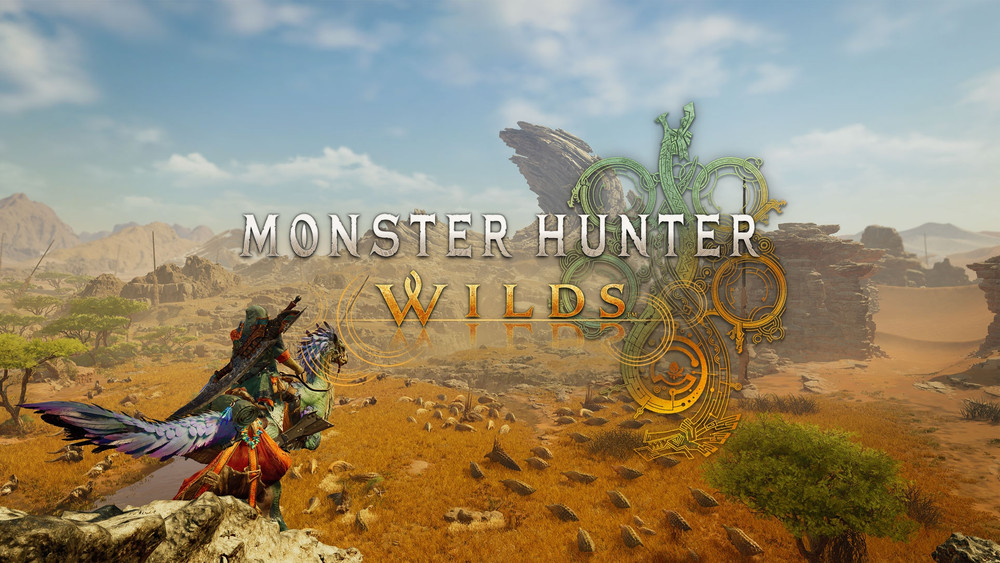
Powered by the RE Engine
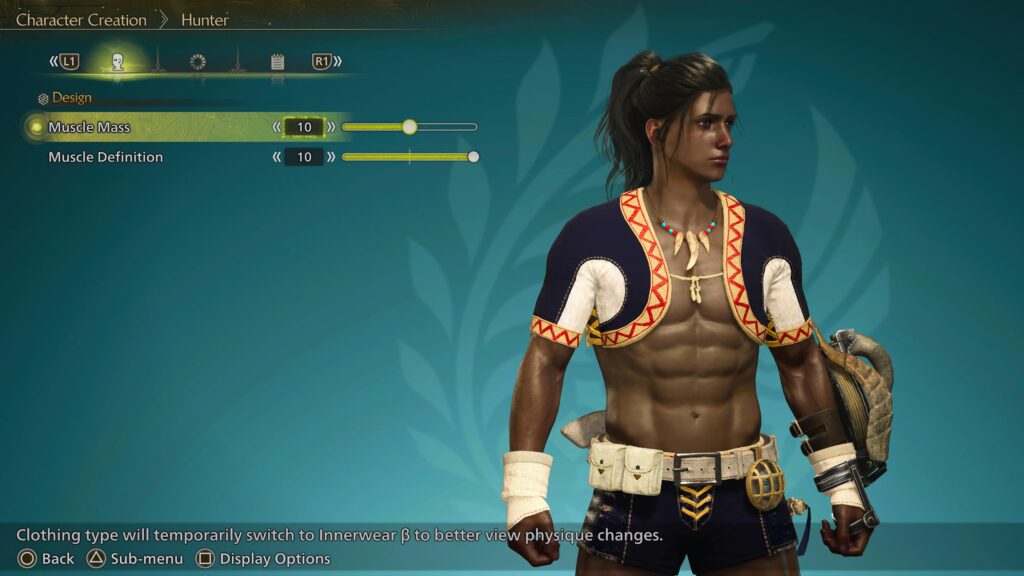
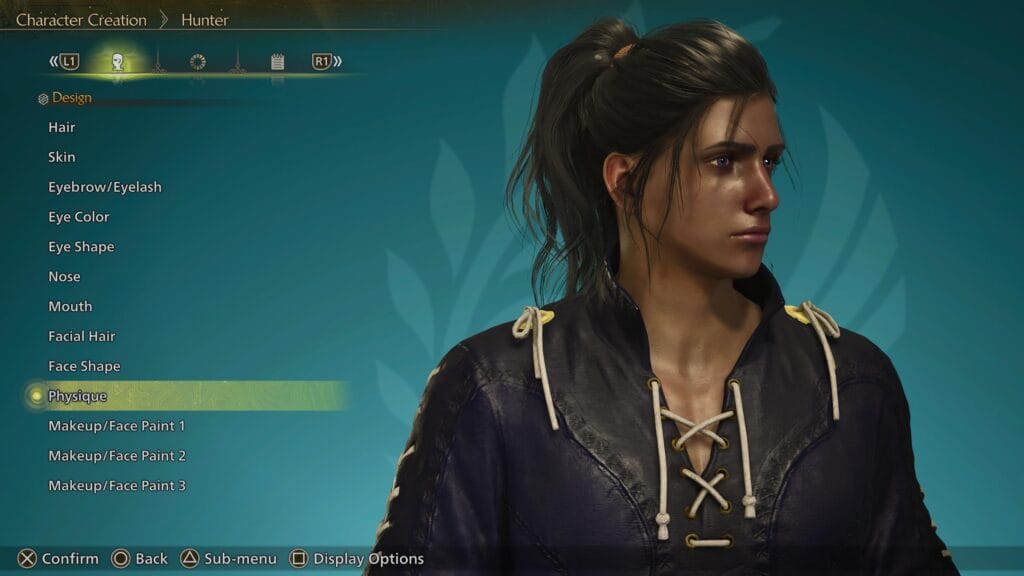
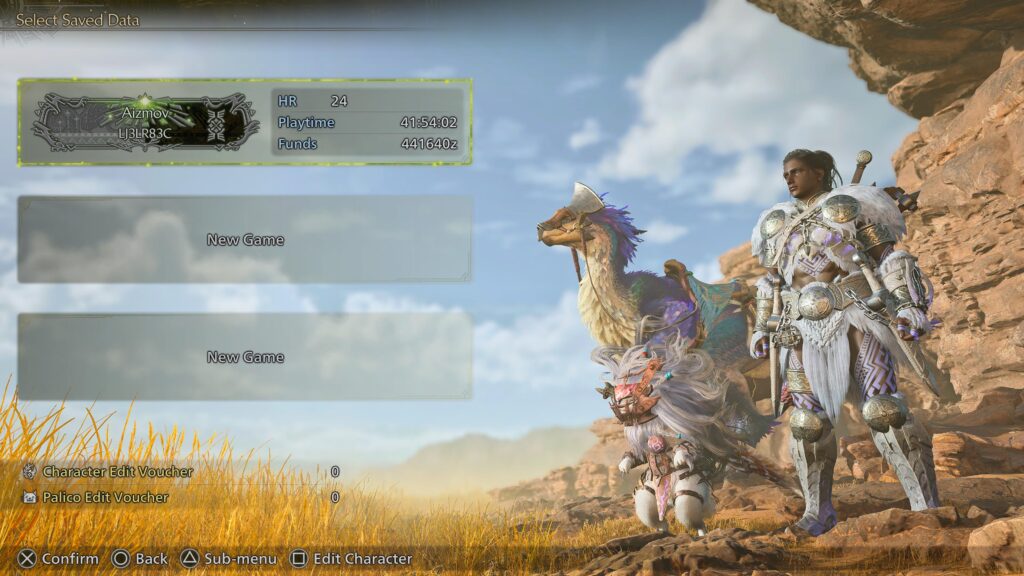
For me, the Monster Hunter experience has always been built on two vital pillars: creating a strikingly beautiful character and then spending hundreds of hours grinding for the most appealing gear to clothe them in. In other video games, I’d often spend an hour in the creator, only to start the game and think, “He looks fine, I guess.” But Monster Hunter Wilds is a different beast entirely.
The character creator here is world-class, showcasing the absolute power of the RE Engine at its finest. This time, I didn’t just settle; I created a character that made me say, “Hell yeah, this is the hero I want.” The fidelity is so high that I found myself obsessively abusing the share button on my PS5. In fact, by the time of writing this, my PS5 says that I’ve taken a staggering 566 screenshots. Whether it’s the way the vast diverse enviroments of Wild looked or the expressive detail in the cutscenes, the game looks so good it’s hard not to stop and capture the moment with how amazing my character looks.
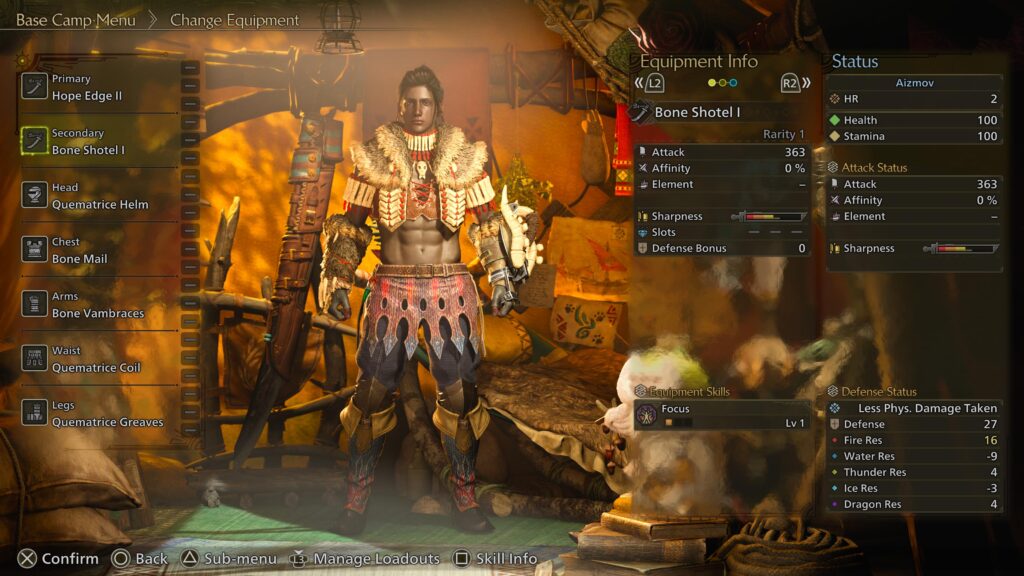
The RE Engine had me in a huge wow moment because the seamless transitions from cutscenes to gameplay, meaning that “perfect” character you built never loses momentum when the action starts. Furthermore, the return of a more robust Transmog (Layered Armor) system right out of the gate means that players don’t have to sacrifice their “cool looks” for better stats—a huge win for anyone who believes that looking good is just as important as the hunt itself, *cough* like myself.
Living the World in A Living World
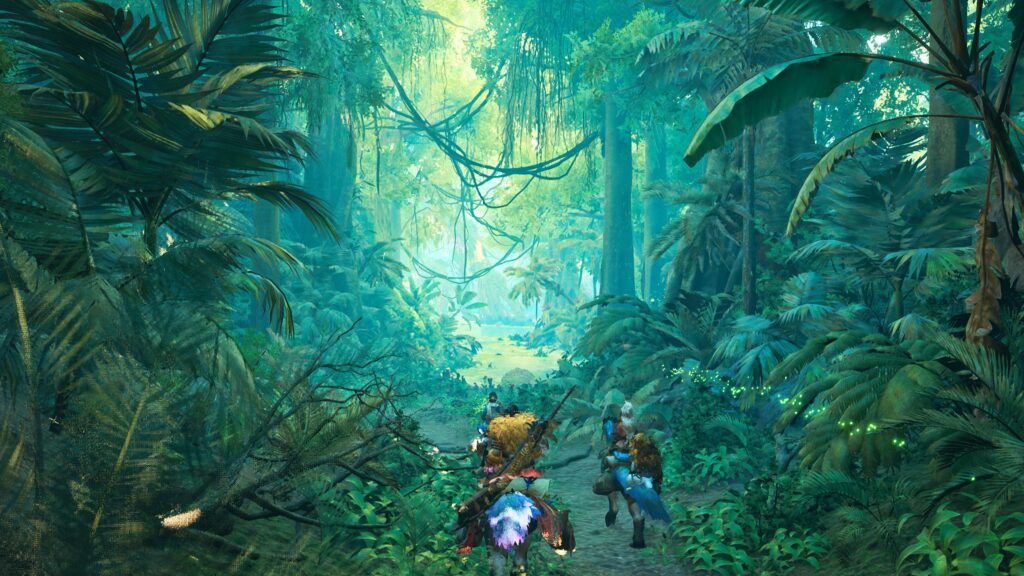
The first major evolution you’ll notice in Wilds is the shift toward a semi-open world environment. We are no longer simply teleporting from a hub into a contained hunting zone; instead, we traverse between various hubs across massive, sprawling landscapes. As you trek through these wilds, you’ll often stumble upon other roaming beasts that are just as tempting to hunt as the one you are taking the mission for. It truly feels like a living world. When the main fight finally begins and after you inflect enough damage into it, the monster eventually retreats, and you are often treated to a front-row seat for Turf Wars when that monster you are hunting enters territory of another monster. These giants will clash in cinematic battles so epic they feel like watching Godzilla vs. Kong in real-time.
However, as much as I admire the ambition of this world, two major issues began to weigh on my experience. The first is the environmental shifts. While the concept is brilliant, it seems to push the RE Engine to its limits. During these shifts, the visual fidelity starts to muddy, and the frame rate takes a noticeable hit. It’s a struggle that unfortunately drains the thrill of an epic chase when the technical performance can’t keep up.
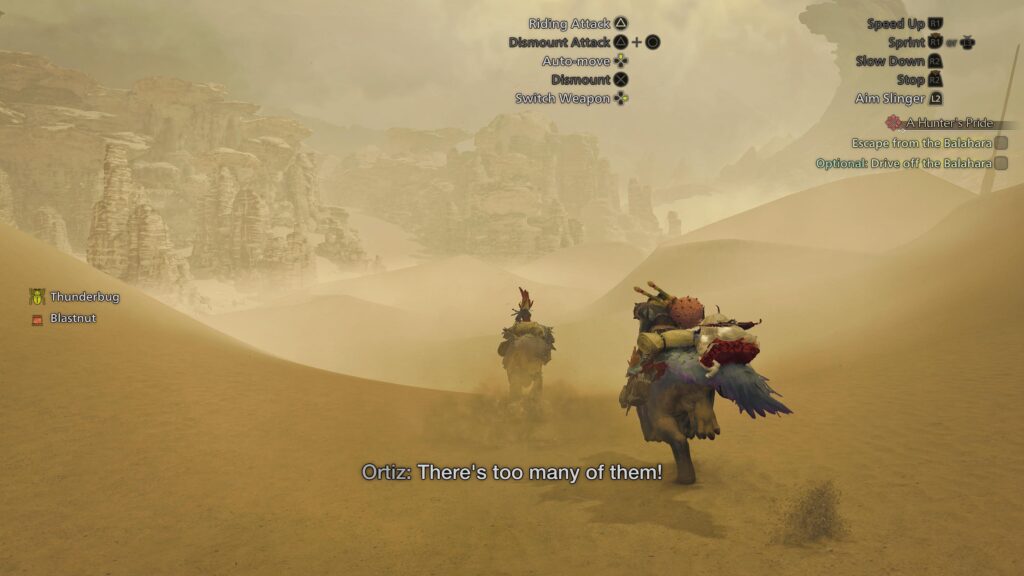
The second issue lies in exploration and traversal. While the maps are vast, you are tethered to your Seikret almost constantly. Even though you can control the mount manually, the game heavily pushes an “auto-pilot” system that robs the player of the joy of discovery. I wish the developers had filled this massive world with more rewarding and discoverable secrets. As it stands, much of this vast environment feels like it’s just for show—a beautiful backdrop rather than a world that truly rewards exploration.
The Seikret vs. The Tailraider
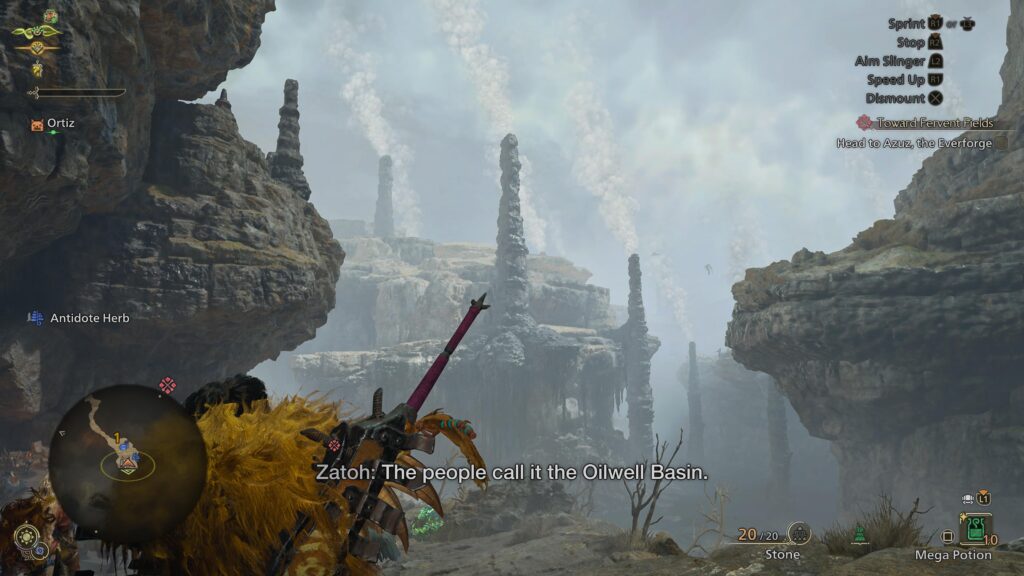
When we talk about getting around these massive new locales, we have to talk about the Seikret, the new mount (which remninds me heavily of the Final Fantasy’s Chocobos) that has effectively replaced the Tailraider from World. In the previous game, the Tailraider felt like a helpful live fast travel—a small addition to your hunt that could give you a quick lift. But in Wilds, the Seikret is a mandatory part of your identity as a hunter.
While the technical idea of the Seikret is impressive the actual experience is a bit of a mixed bag. The most significant upgrade is the secondary weapon holster, which allows you to swap styles mid-hunt without returning to camp. It’s a genius addition that adds a layer of strategy we’ve never seen before. However, the “auto-pilot” nature of the Seikret often feels like it’s playing the game for you.
I found that being tethered to the Seikret almost constantly made the world feel less like a place to explore and more like a long road I was being driven down. While the Tailraider was a choice, the Seikret feels like a necessity that sometimes steals from the thrill of the discovery and the chase. It’s faster and more functional, but I found myself missing the days when I had to actually learn the layout of the land on my own two feet because here you will just be a passenger where you don’t need to know the ups and downs of the area.
A Symphony of Steel
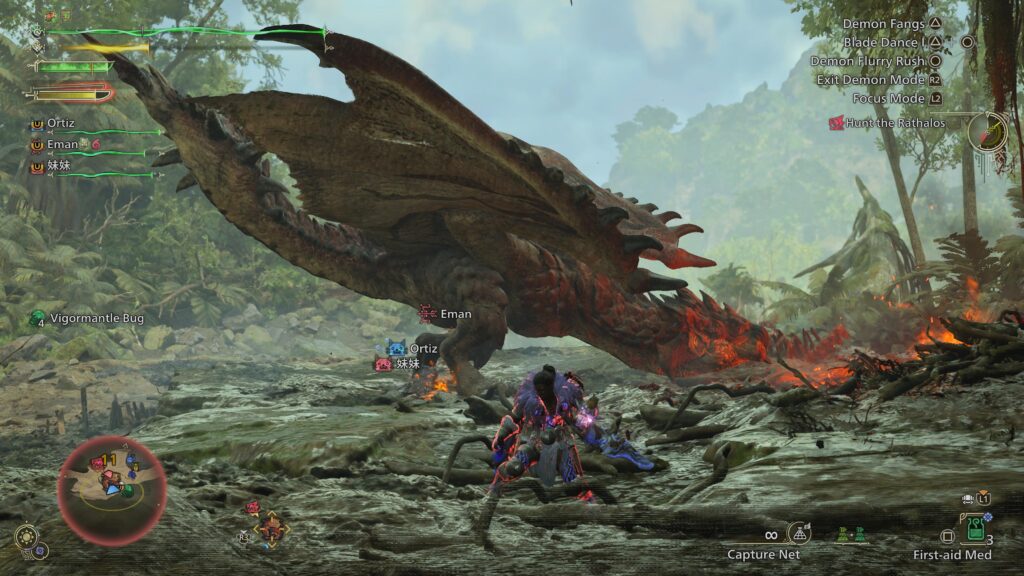
The battle system is a pure piece of glory; it is faster, more entertaining, and significantly more technical. The standout addition is Focus Mode, which allows you to target specific parts of the monster body, and if you inflect enough slashes a wound will be marked on the monster’s skin. When you hit these wounds with the Focus Mode, your character performs a cinematic attack so satisfying it makes you shout “Whoa!” every time it happens. I am a Dual Blades user, because I love speed in my gameplay, but the whole fast-action improvements to the battle system were infectious that I found myself experimenting with every weapon. The Bow and the Sword & Shield became fast favorites as the Wound System makes every encounter feel incredibly interactive and rewarding and you will be trying new weapons just to see how you can utilize it.
However, there is a significant drawback: the game feels surprisingly easy. While I had a few rough encounters in the higher ranks, the general difficulty curve feels skewed. In previous titles, you had to fight to win; in Wilds, you often just expect to win. This makes grinding for materials to craft those gorgeous armor sets you want feel less entertaining. Without a constant challenge, the “Fashion Hunter” endgame loses some of its weight. Wilds is a masterclass in combat technicality, but the monsters often lack the bite to match your new power.
IT IS a Monster Hunter
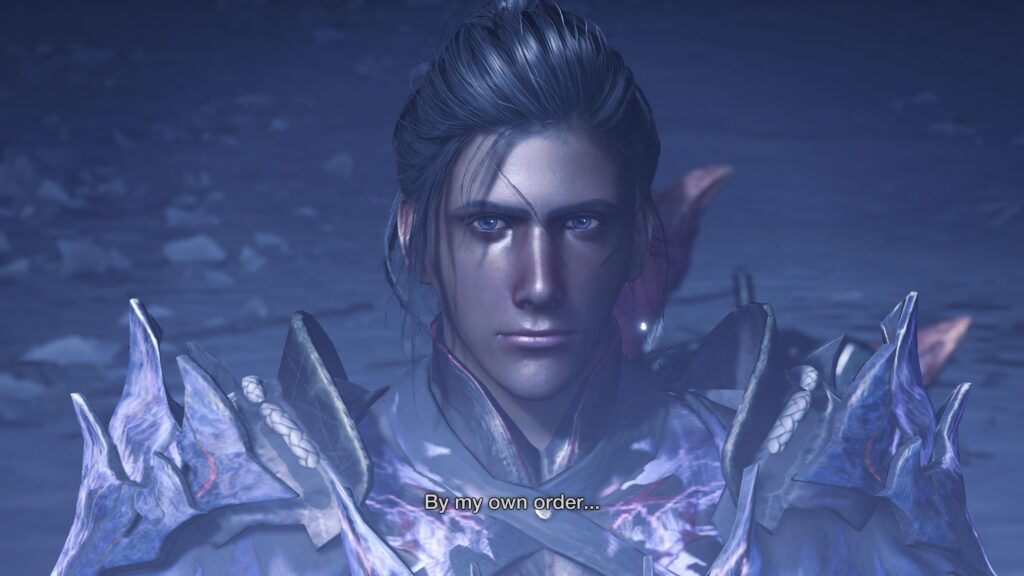
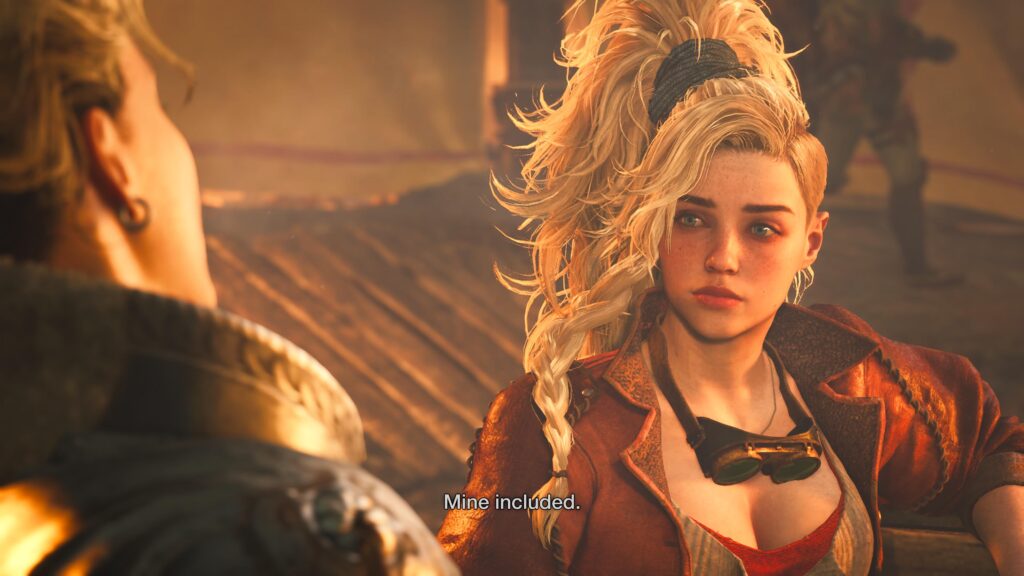
Unlike previous entries where the plot often felt like a backdrop for the grind, Monster Hunter Wilds puts a significant emphasis on its narrative. The story centers on Nata, a young boy from the mysterious “Keepers” tribe, whose home was devastated by the White Wraith. Traveling with him through the Forbidden Lands adds a real weight to the journey that I didn’t expect. Seeing Nata grow from a boy in despair to a vital liaison for the Research Commission makes the long hours of hunting feel like they have a true purpose. While some beats can feel a bit traditional, the mystery of the Ancient Civilization and the guardians truly kept me engaged between hunts.
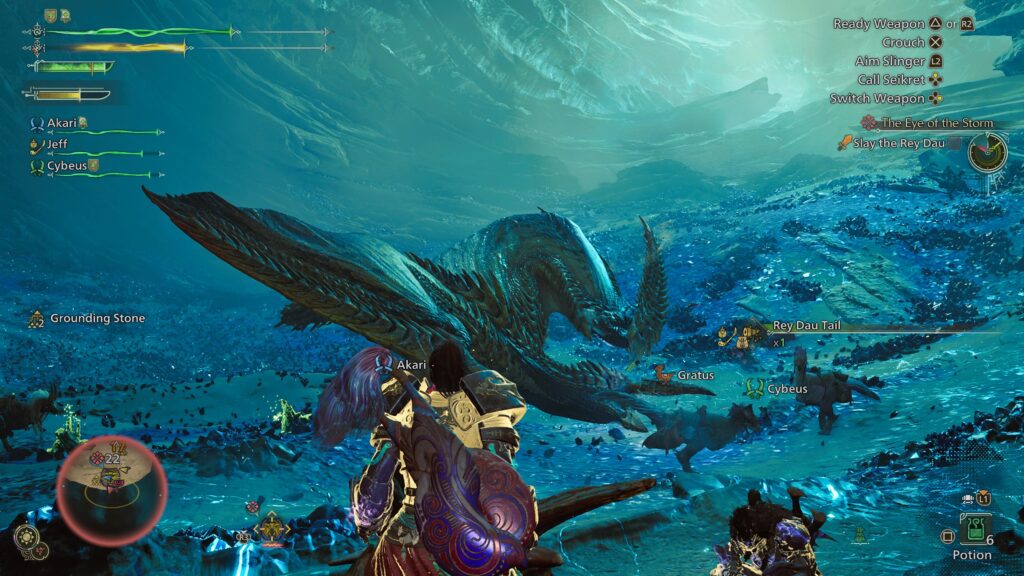
The roster of new monsters is nothing short of breathtaking. From the lightning-charged Rey Dau to the terrifying presence of the flagship Arkveld each encounter feels like a true cinematic experience. Especially that these aren’t just bigger beasts; they are complex organisms that interact with the Inclemency weather systems (the environmental shift I talked about) in ways that change the entire flow of the fight and highly related to the plot they are trying to tell. Although I missed iconic monster like Pukie-Pukie and Paolumu, taking down these titans was a thrill.
The endgame is what Monster Hunter always have done, you will be grinding armor sets. And the armor sets coming from late-game monsters—especially the Arkveld and Elder Dragon sets—are among the most gorgeous I have ever seen in the franchise. The High Rank (Alpha and Beta) variants offer an incredible level of detail, with materials that shimmer in the sunlight and react realistically to the environment. The “Fashion Hunter” endgame is more alive than ever, especially with the Transmog (Layered Armor) system returning. I found that as I reached the final ranks, the armor designs became increasingly aggressive and ornate, perfectly matching the “Hell yeah!” character I spent so much time perfecting. Even if the hunts felt a bit easier than I’d like, looking at my character in a full set of gleaming late-game plate made every minute of the grind worth it.
A UI Lost in the Wild
While the combat is a piece of glory, the User Interface (UI) and social systems feel like a massive step backward. For a game that is so technically advanced in its visuals, the menus are surprisingly cluttered and unintuitive. I often found myself digging through layers of sub-menus just to find basic information or manage my inventory. It lacks the streamlined elegance you’d expect from a modern Capcom title, often feeling more like a “hustle” than a helpful tool.
However, the most frustrating part of the experience was the friend and connectivity system. For a game built on the “legacy of the hunt” and shared memories, the process of actually getting your gang together is a nightmare. The new system they’ve introduced is needlessly convoluted; instead of a simple “invite and play” flow, we were met with a confusing array of Link Party settings and lobby IDs that felt like they were built in ancient times of a PS2 era.
Rather than a seamless reunion, my friends and I spent far too much time troubleshooting how to even see each other in the same instance. In a world where seamless multiplayer should be the gold standard, Wilds makes you work harder to find your friends than it does to find the monsters. It’s a heartbreaking barrier for a game that is supposed to be about bringing people together.
How it Looks, How it Sounds
Despite my frustrations with the “smudgy” textures during environmental shifts, I have to admit: when the game is firing on all cylinders, it is absolutely breathtaking. The RE Engine provides a level of detail in the monster designs—like the shimmering scales of the Rey Dau or the terrifying jagged edges of the Arkveld—that sets a new bar for the series. But as I’ve said before about other titles, the music is where the true heart of the game lies.
The soundtrack is a powerful multi-layered experience that perfectly captures the “ethnic” and primal feel of the world. What truly impressed me, however, was the dynamic music. The way the score shifts from the quiet, ambient sounds of the “Plenty” season to the intense, drum-heavy crescendos during an “Inclemency” storm is genius. It doesn’t just play in the background; it reacts to the state of the world and the intensity of your hunt.
Monster Hunter Wilds is, in many ways, the “unreasonable excitement” I was hoping for. It succeeded in bringing the old gang back together, proving that the legacy of the hunt is as much about the people you play with as it is about the monsters you slay. The battle system is a masterclass in evolution, turning every encounter into a cinematic experience that kept me shouting “Heck yeah!” as my character—whom I spent hours perfecting—unleashed devastating Focus attacks.
However, the journey isn’t without its stumbles. The confusing UI and the hustle of the multiplayer connectivity felt like a step back from the polish of World. Additionally, the skewed difficulty curve and the engine’s struggle to maintain fidelity during weather shifts mean that Wilds isn’t quite the flawless masterpiece it could have been. It is a game that is occasionally too easy, yet it remains addictively fun, proving that a world this beautiful and a combat system this crunchy can overcome even the most cluttered menus and graphical mishaps.
Ultimately, Monster Hunter Wilds is a stunning, living world that rewards you for the time you put in—especially if you’re a “Fashion Hunter” looking for that next suitable set for you character. It might be the easiest hunt I’ve ever been on, but it’s easily one of the most memorable.

- A character creator and armor sets that set a new bar for the industry.
- Focus Mode and the Wound system make every hunt feel more technical and interactive.
- The "Godzilla vs. Kong" Turf Wars and dynamic seasons make the world feel truly alive.
- Changin weapons is a genius strategic addition that changes the flow of the hunt and forces you to try new weapons.

- A convoluted friend system and UI that make connecting with other players a chore.
- Visuals can get "smudgy" and performance takes a hit during heavy environmental shifts.
- Monsters often feel too easy, making the late-game grind feel slightly less rewarding.
- The heavy reliance on Seikret auto-pilot and a lack of discoverable secrets make the vast world feel more like a backdrop than a place to truly explore.

1 Comment
Pingback: Monster Hunter Stories 3: Twisted Reflection Demo Now Live - Ermis Gaming