
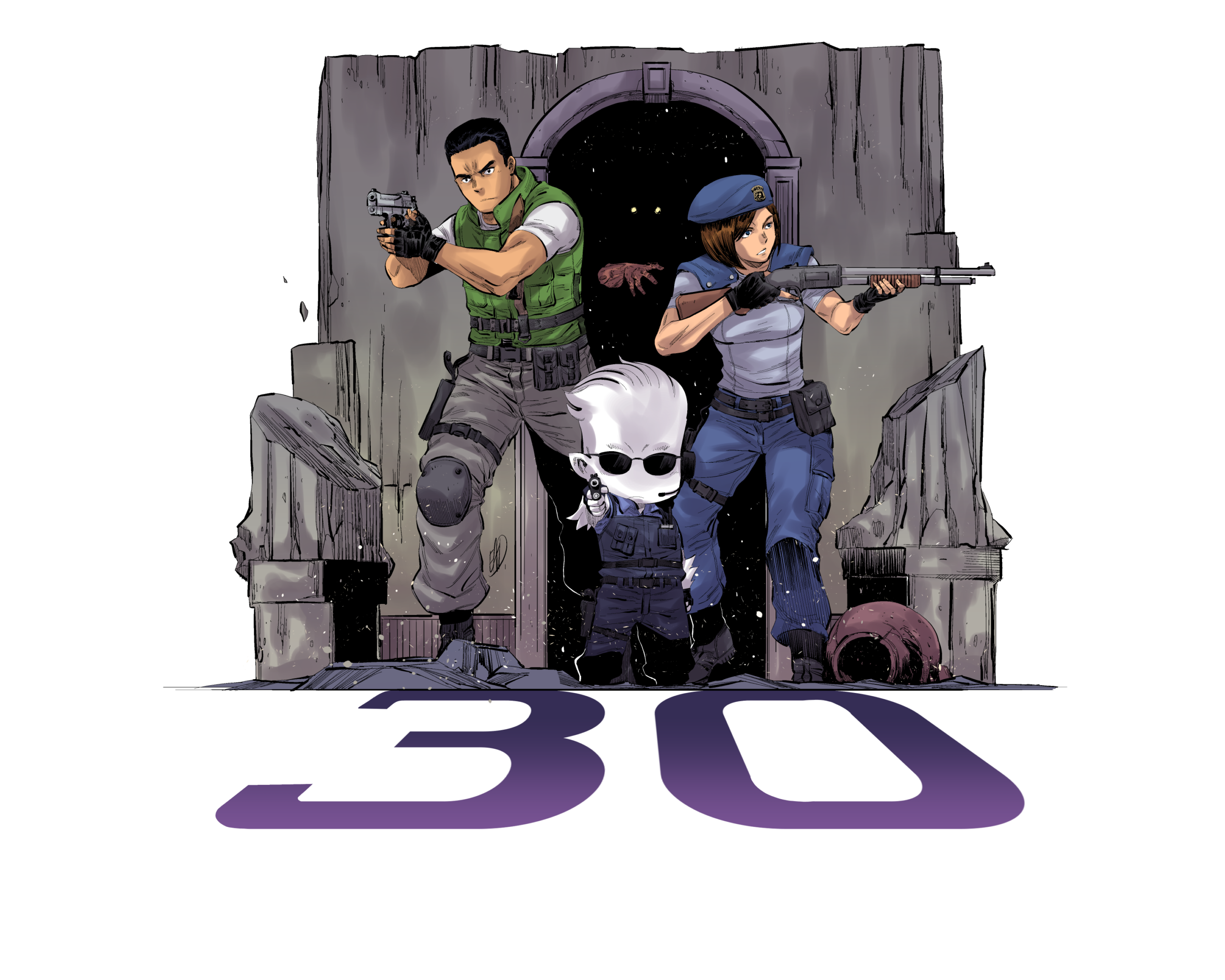
Three decades ago, a small team at Capcom—led by visionary Shinji Mikami—set out to
create a haunting experience inside a derelict mansion. What they unleashed on March
22, 1996, didn’t just scare players; it birthed the entire “Survival Horror” genre.
Resident Evil transformed gaming forever by mixing agonizing resource management with terrifying
atmosphere. From the haunting halls of the Spencer Mansion to the grim village of RE4, we look back at the franchise that taught us to always check our ammo.
The Birth of Survival Horror
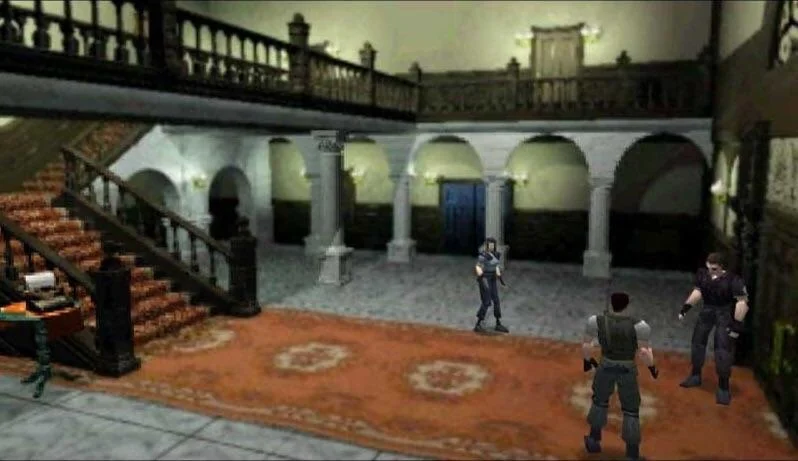
The original Resident Evil (1996) didn’t just invent a genre; it delivered a masterclass in psychological tension, technical ingenuity, and deliberate restriction. Dropping players into the Arklay Mountains as S.T.A.R.S. Alpha team members Jill Valentine or Chris Redfield, the game masked its technical limitations on the original PlayStation hardware by turning them into its greatest strengths.
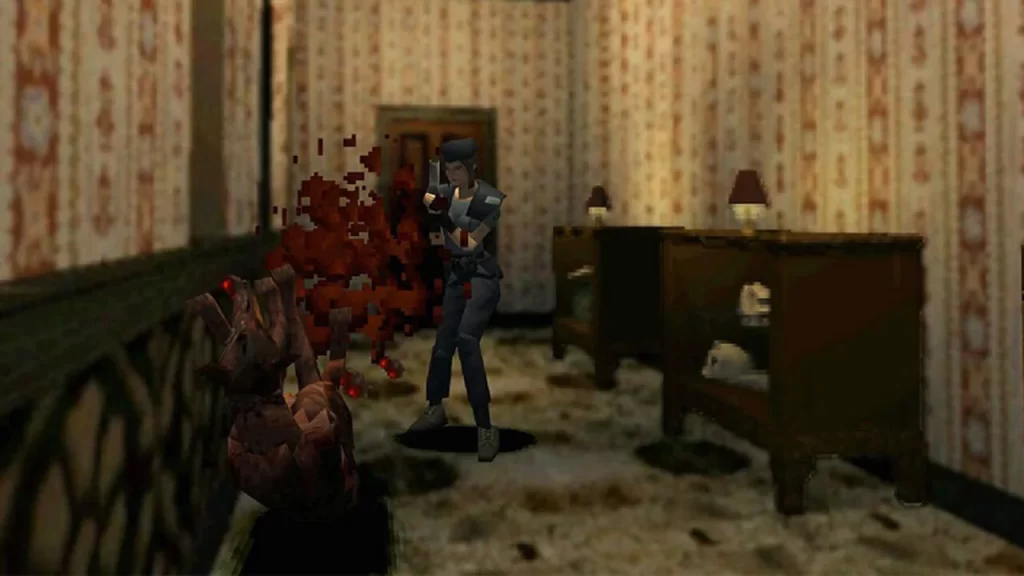
By utilizing beautifully detailed, pre-rendered backgrounds, Capcom achieved a level of visual artistry that fully rendered 3D environments simply couldn’t handle at the time. This allowed the developers to place fixed camera angles with the precision of a cinematic director. The camera hid terrors just out of sight, forcing you to listen to the haunting audio design—the hollow thud of footsteps, the shuffling of unseen horrors, and the sudden, terrifying crash of the hallway window as the Cerberus dogs breached the mansion.
Furthermore, the infamous “tank controls” made fleeing an agonizing struggle, stripping the player of the typical power fantasy. Even the loading screens—those agonizingly slow door-opening animations—were brilliantly designed to mask CD-ROM load times while ratcheting up the player’s anxiety before revealing the next room.
Resource Scarcity and the B-Movie Charm
Survival in the Spencer Mansion meant excruciating resource management. Your inventory was strictly limited—Jill had eight slots and a lockpick, while Chris had only six and a lighter. This forced players to make constant, agonizing decisions about what to carry. Do you bring extra ammo, or do you leave a slot open for a puzzle item? Even saving your game came at a cost, requiring a consumable Ink Ribbon to use the typewriters. The result was a pervasive sense of dread, offering only brief psychological respites in the form of the iconic, soothing Safe Room music.
And of course, we cannot ignore the charm of its presentation. The live-action, B-movie intro and the famously campy voice acting (“Jill Sandwich,” “Master of Unlocking”) provided a surreal, endearing contrast to the genuine terror of the gameplay, cementing the game into the pop culture zeitgeist.
The Raccoon City Escalation
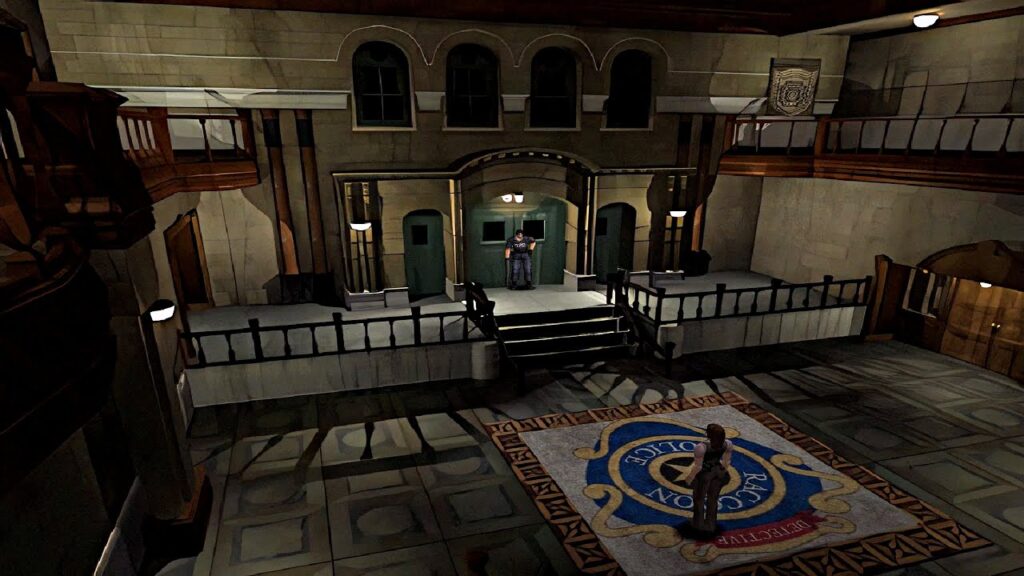
If the original game was a terrifying, isolated B-movie, Resident Evil 2 (1998) was the summer blockbuster that elevated the franchise to an entirely different level. Moving the nightmare from the claustrophobic confines of the Arklay Mountains into the sprawling, burning streets of Raccoon City— specifically the iconic R.P.D. station—expanded the scope of the horror dramatically.
Under the direction of Hideki Kamiya, the sequel pushed narrative and mechanical boundaries with its innovative “Zapping System.” By offering intertwined A and B scenarios for its new protagonists, rookie cop Leon S. Kennedy and college student Claire Redfield, players experienced the outbreak from two distinct, overlapping perspectives. The actions taken, items picked up, and enemies defeated in one playthrough directly influenced the resources and challenges of the other.
This technical and narrative ambition resulted in a massive commercial success. Resident Evil 2 proved that survival horror wasn’t just a niche, experimental genre—it was a juggernaut capable of delivering complex, multi-layered storytelling alongside its signature dread.
A Legacy of Reinvention
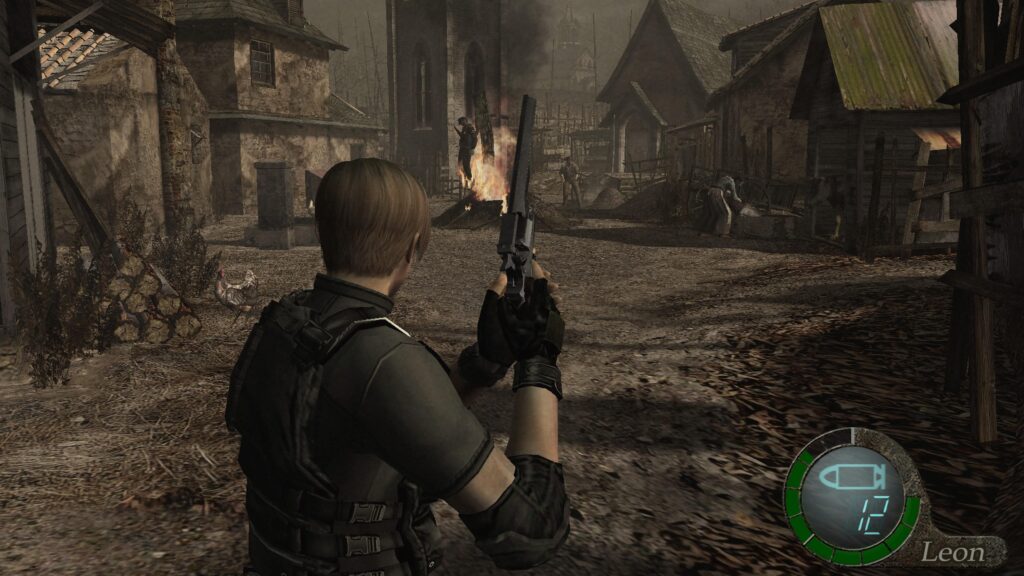
By the early 2000s, the fixed-camera formula had started to show its age. Enter Resident Evil 4 (2005). The game tossed out zombies and the traditional camera in favor of a revolutionary over-the-shoulder perspective and a more action-oriented approach.
It didn’t just save the franchise; it influenced a decade of third-person shooters, from Gears of War to Dead Space, cementing Shinji Mikami’s status as a legend. It was a massive gamble that paid off, proving Resident Evil could evolve without losing its edge.
The Modern Renaissance
After veering heavily into blockbuster action with RE5 and RE6, the series needed another reset. Resident Evil 7: Biohazard (2017) shocked fans by shifting to a first-person perspective, bringing the horror back to the claustrophobic, terrifying roots that made the series famous.
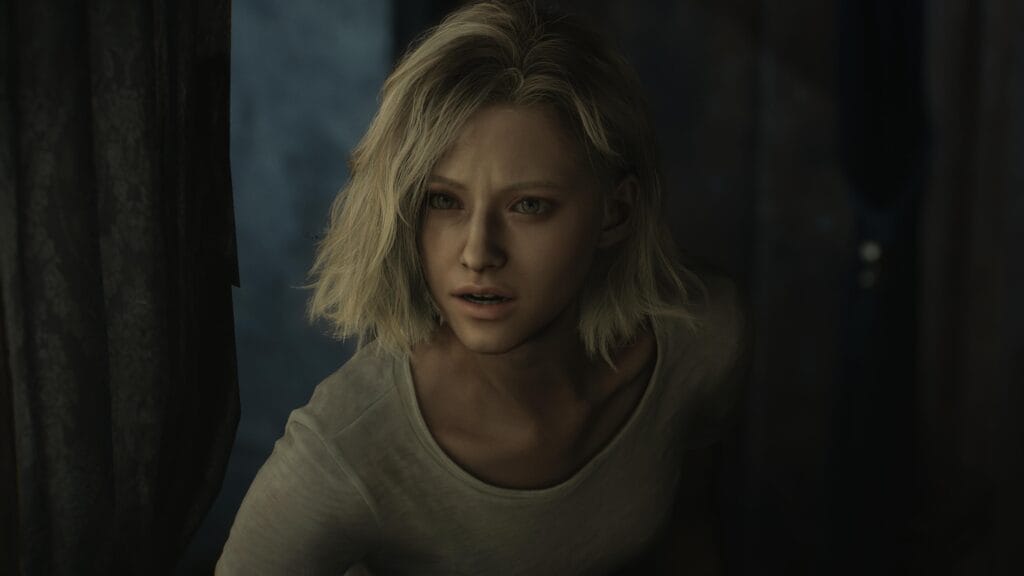
This triumphant return to true survival horror was followed by arguably the greatest run of remakes in gaming history. The remakes of RE2, RE3, and RE4 managed to perfectly balance modern gameplay with deep nostalgia, introducing the horrifying world of Raccoon City to an entirely new generation which followed by the highly acclaimed Resident Evil Requiem that took the whole industry by a storm for selling 5 million copies in 5 days.
Today, Resident Evil stands as Capcom’s best-selling franchise, with over 200 million copies sold across its mainline entries and spin-offs. It has expanded into countless movies, animated features, and merchandise lines. Even after 30 years, when you hear the iconic “Resident Evil” voice on the title
screen, it still sends a chill down your spine.