

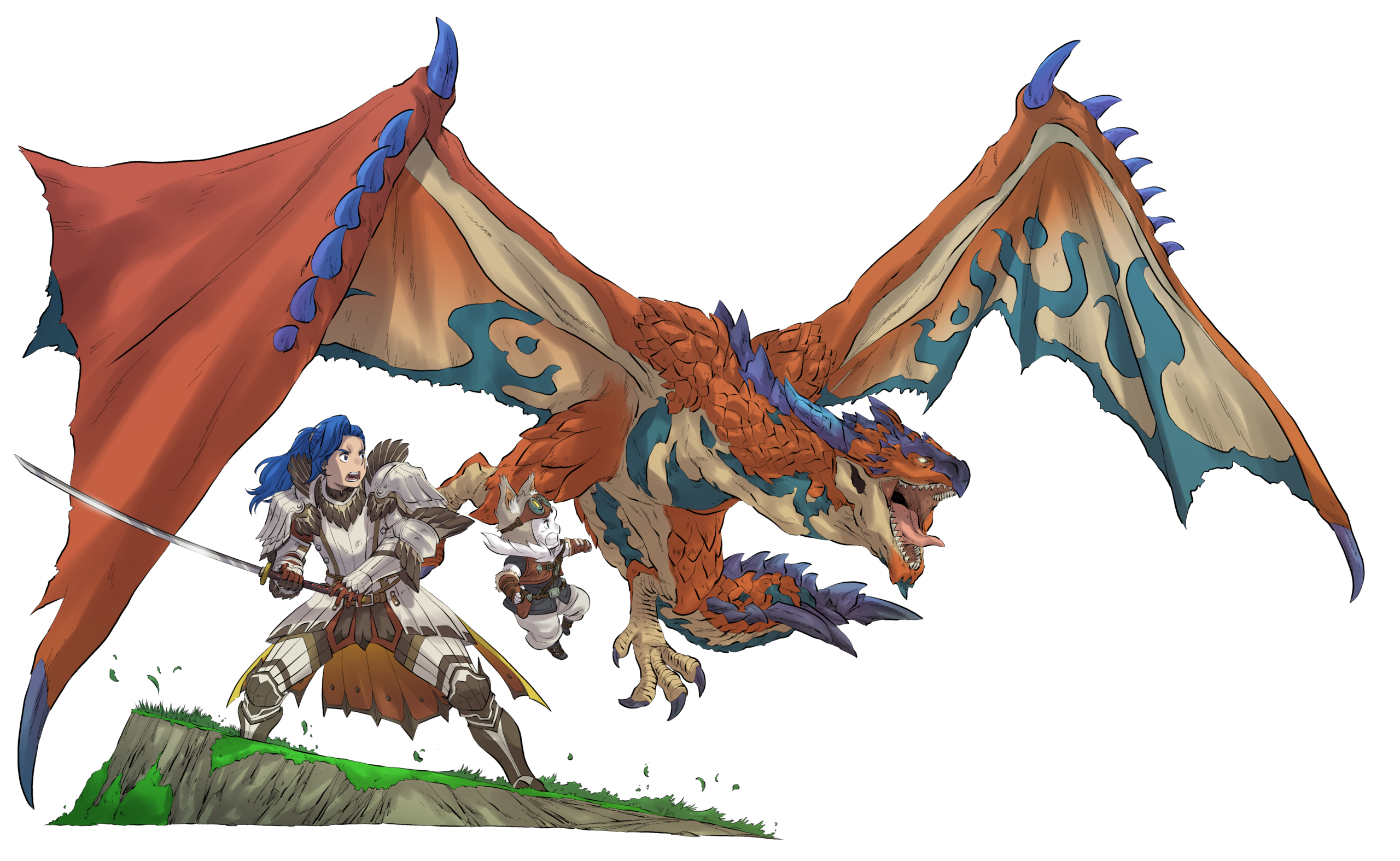
When a buddy of mine recommended Monster Hunter Stories 2 on the Switch a few years back, I was genuinely intrigued of what this game was. Taking the legendary grind of the Monster Hunter universe and tossing it into a story-driven, Pokémon-style blender? On paper, it sounded like an absolute dream. But despite my deep love for JRPGs and turn-based combat—if you know me, you know I can lose months to a good Final Fantasy or Tales of games—the execution in Stories 2 just didn’t land. The characters lacked edge, the setup dragged, and the structure just wasn’t gripping enough to keep me invested. I tapped out early, admittedly.
Fast forward to the time I tried the demo for Monster Hunter Stories 3: Twisted Reflection few minths ago, I went in skeptical, but within an hour, the RE Engine visuals and the much-needed shift to a darker, more mature tone completely sank their claws into me. I slammed the pre-order button on the spot. Up until writing this review, I’ve logged over 110 hours into the game. To say I liked it would be an understatement; the game consumed me. But dropping a hundred hours into a title doesn’t automatically make it a flawless masterpiece. The real question we need to answer is: Did Capcom actually deliver the evolution this sub-series desperately needed, or is the new coat of paint just masking the same old flaws?
Monster Hunter Stories 3: Twisted Reflection Review
Less Chibi Fluff, More Territorial Warfare:
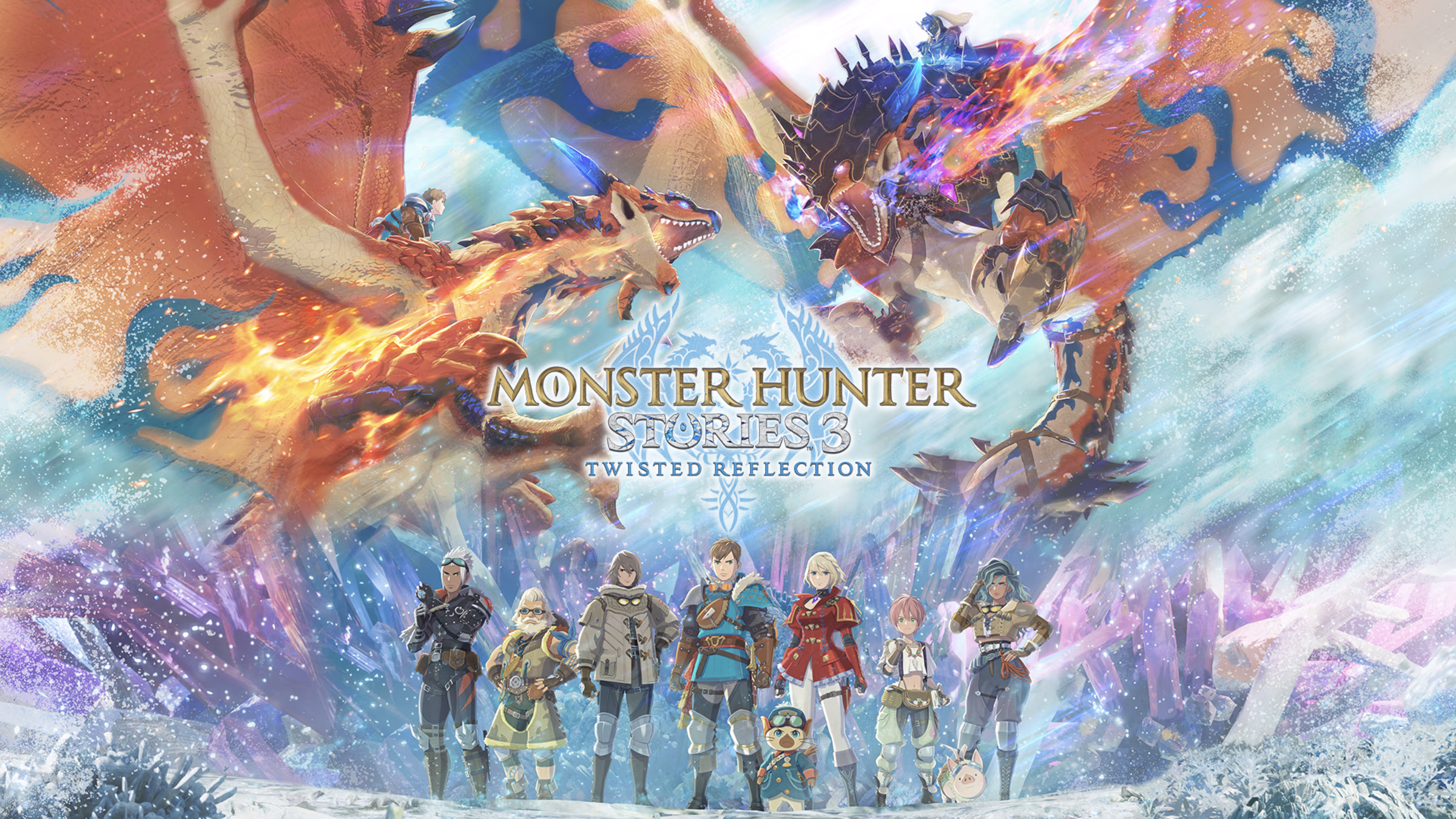
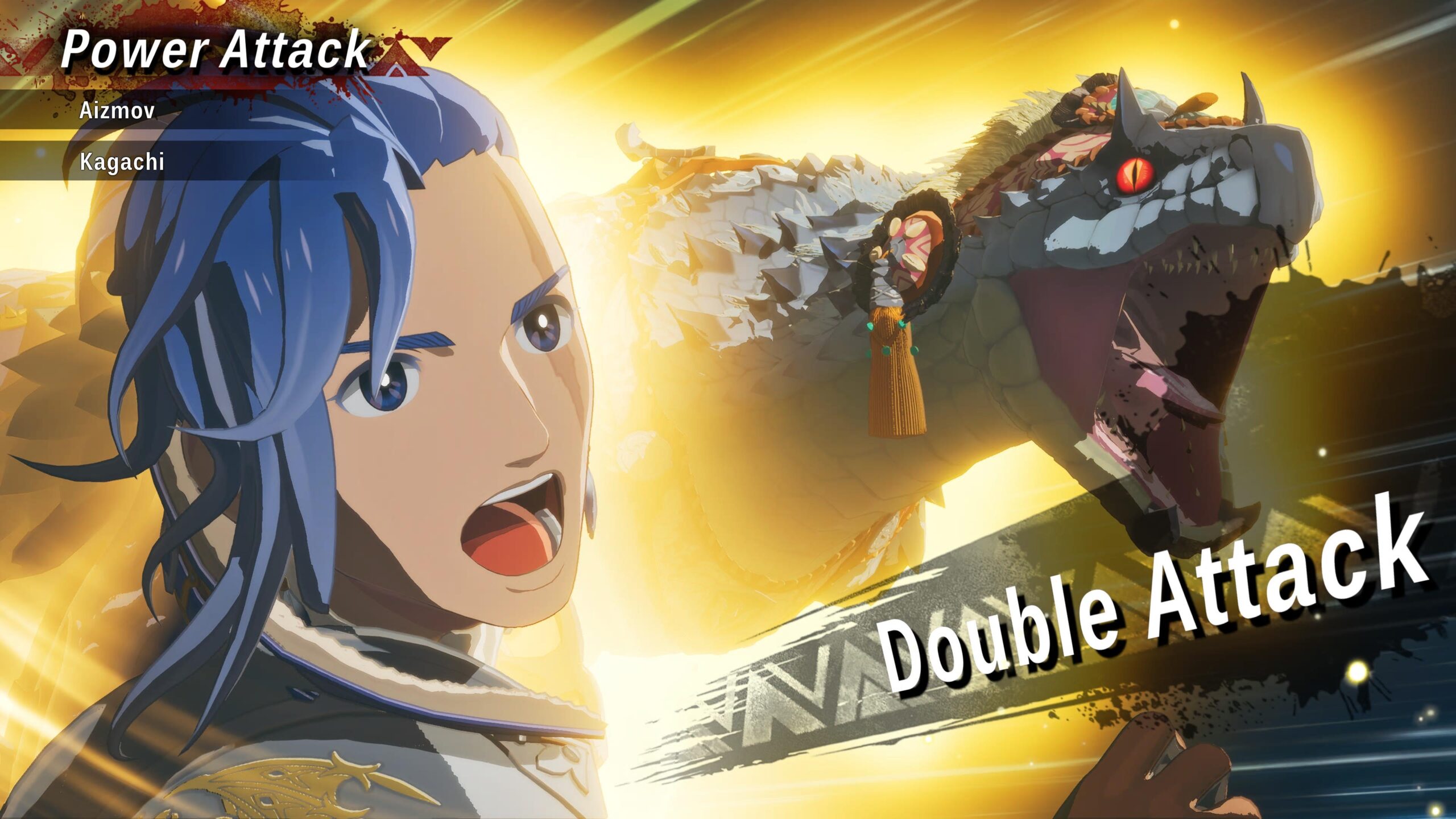
Let’s address the “Anjanath” in the room: the massive turn-off in Stories 2 for me was its chibi art style and overwhelmingly “kiddy” tone. Now, I don’t usually mind a lighthearted aesthetic, but when it isn’t backed by a gripping dark narrative, it completely loses my attention. Twisted Reflection violently course-corrects this. Powered by Capcom’s powerhouse RE Engine, the game didn’t just get a massive visual upgrade—it got a maturity check. The gorgeous, properly proportioned character models give the cutscenes real gravity, allowing the developers to unleash a much darker, unrestricted narrative.
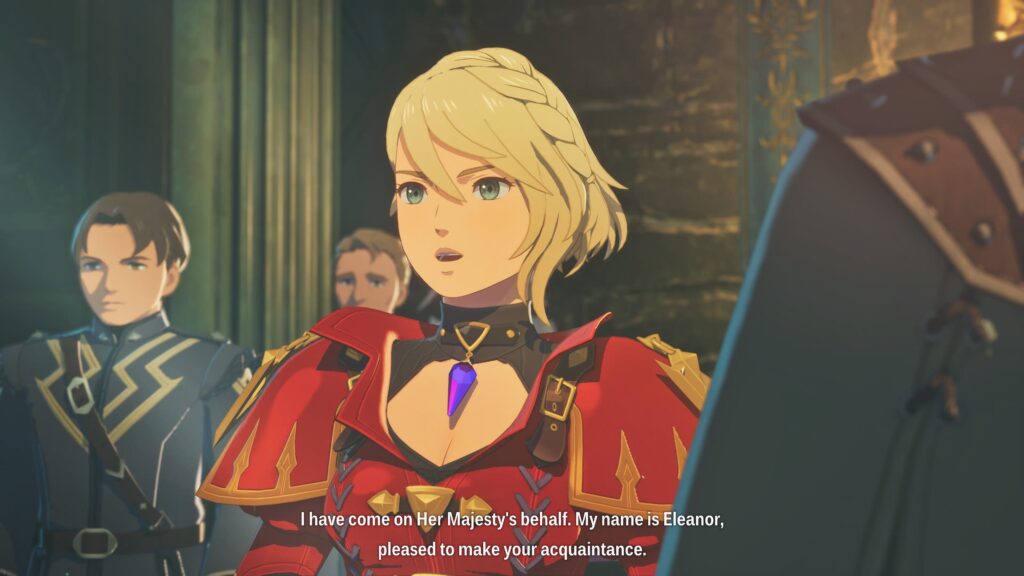
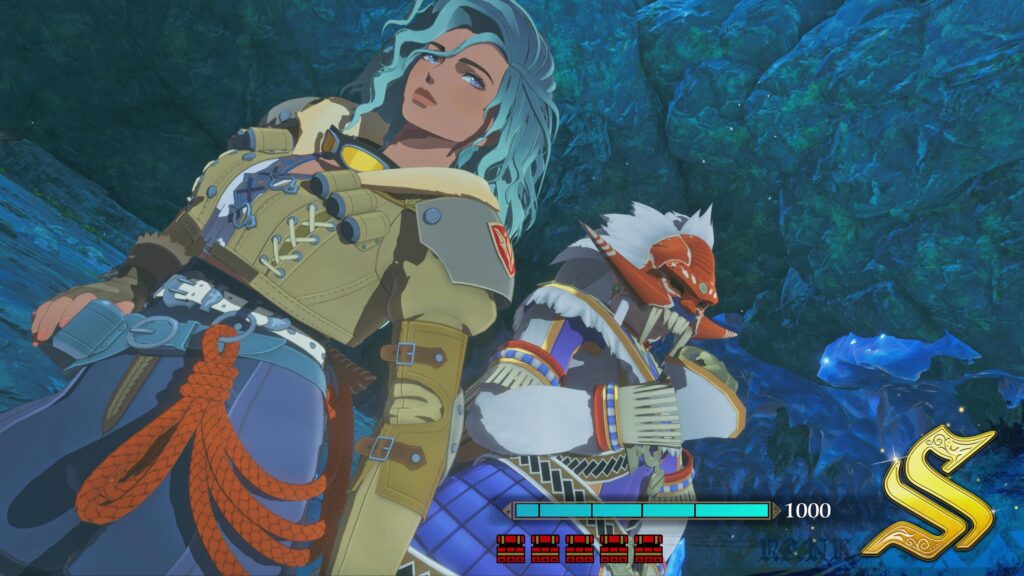
The plot kicks off with the discovery of twin Rathalos resting in crystallized eggs, heralded as saviors destined to stop a mysterious, world-consuming crystallization phenomenon called The Crystal Encroachment. You step into the boots of a Rider— also the heir of Azuria and the sole master of one of the Rathalos— who eventually team up with Princess Eleanor of Vermail and start a standard “save the world” trope that quickly spirals into genuine political tension. As the crystallization devours livable land, Azuria and Vermail don’t just hold hands and sing kumbaya; they wage territorial war against each other. It’s a fascinating yet surprisingly grim setup that I welcomed with open arms.
Is the story perfect? Not quite. The game introduces such a likable, complex cast of characters, but I found myself actively craving more dialogue and deeper interpersonal friction and it occasionally feels like it’s holding back. But considering the core gameplay loop is fundamentally built around breeding and collecting monsters, it makes sense that the narrative serves primarily as an anchor. Even with those pacing constraints, the political intrigue and the mystery of the crystals were more than enough to keep my claws dug in for the long haul.
Rock, Paper, Carnage:
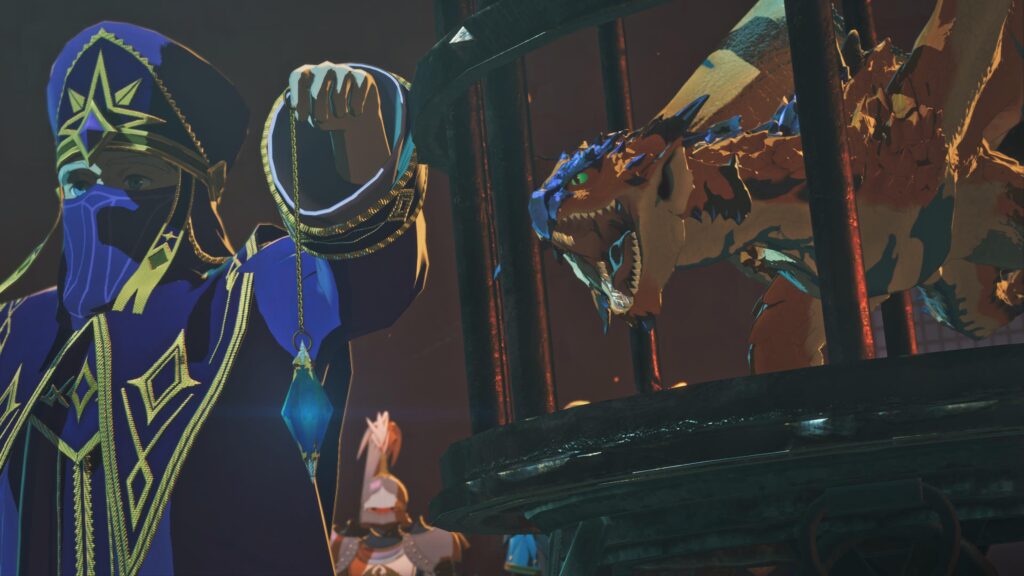
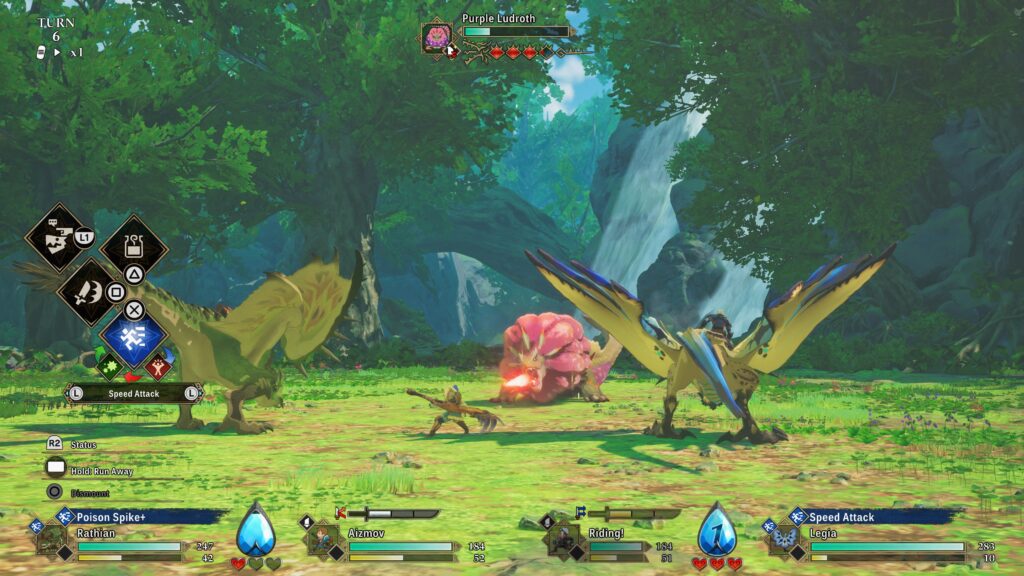
So, the story is a massive step up, but what about the actual meat of the game? If you’re a veteran of JRPGs you’ll feel right at home with the turn-based battles here. It retains that classic rock-paper-scissors foundation of Power, Speed, and Technical attacks which can be fun but given how many mosters are there, you start calculating which one to choose to win the Head-to-Head battles, but it still layers so much tactical depth on top of it. You’re constantly swapping between three different weapon types on the fly, targeting specific monster parts, and exploiting elemental weaknesses using your weapons and the skill of your monstie companion. Capcom even separated the Kinship Gauge from your Stamina this time around, which is an absolute godsend for pulling off crucial skills without sacrificing your ultimate attacks especially when you are fighting the though fight and you use them as an escape tactics.
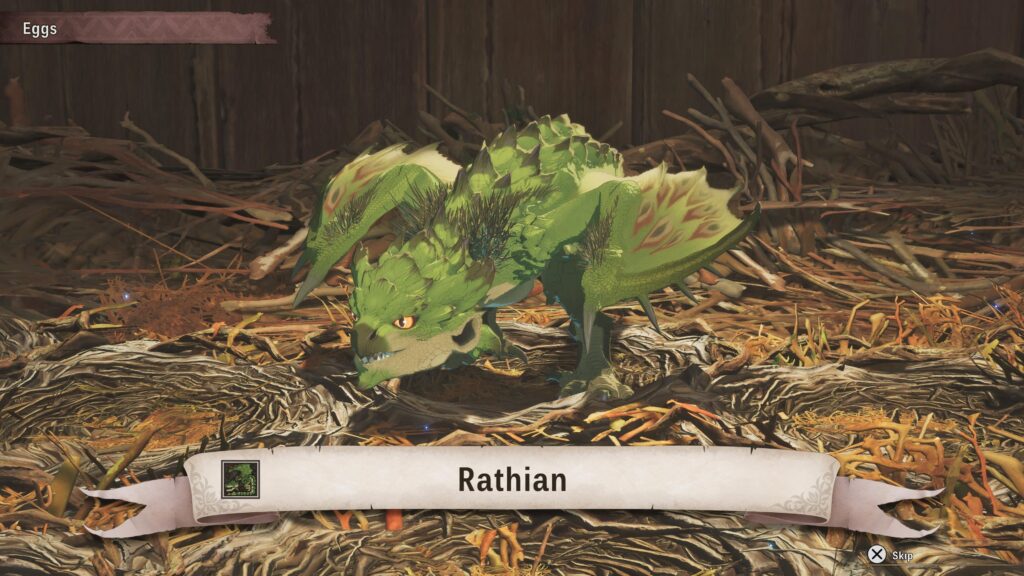
But you aren’t just fighting against these beasts; you’re fighting with them. The core loop of diving into monster dens and—let’s be honest—stealing eggs to hatch your own ‘Monsties’ is as dangerously addictive as ever. The breeding system is where you can really start playing mad scientist. Through the Rite of Channeling, you aren’t just raising monsters; you’re actively mutating them. You can splice and transfer genes to create absolute abominations of nature—like a Rathian that spits ice or a Zinogre built purely for tanking hits.
You’re going to need those perfectly mutated Monsties, too, because the threats in Twisted Reflection do not pull their punches. The Crystal Encroachment isn’t just a shiny environmental hazard; it’s turning the local wildlife into hyper-aggressive “Feral” monsters that hit like freight trains and they are the bosses in this game. And if that wasn’t enough to keep you sweating, the game has “Invasive” monsters—massive, terrifying roadblocks that crush your spirit and demand everything you have to fight them. Between exploring the gorgeous semi-open world on the back of your Monsties, diving into dens for rare eggs, and surviving these brutal encounters, the gameplay loop is a perfect, time-consuming ouroboros.
The Dark Side of the 110 Hours
But let’s pull off the rose-tinted glasses for a second. Pouring 110 hours into a game doesn’t mean those hours were entirely flawless. In fact, Twisted Reflection stumbles hard in three major areas: UI clutter, absurd difficulty spikes, and an endgame grind that fundamentally disrespects the player’s time.
First, let’s talk about the UI. I’ll give Capcom credit for trying to wrangle a massive amount of systems into one interface, but navigating these menus often feels like solving a puzzle you never asked to play. Some features are so buried I didn’t fully grasp them until the credits rolled. The absolute worst offender is the Decoration system. Decorations are essential items that grant vital buffs and combat actions, but the game refuses to give you a master list of what you own. To find out what you have, you are forced to painstakingly cycle through every single weapon and armor piece to check its specific slots. It is a convoluted, time-consuming nightmare of menu-diving that desperately needed streamlining.
Then there’s the difficulty. The standard Feral monsters provide a solid, fair challenge, but the Invasive monsters are a different breed of frustration. The game introduces a highly creative mechanic where you can merely repel them by using knowledge gleaned from their broken parts. That part is brilliant. The problem? If you are a completionist, you eventually have to kill them. And even at MAX level, with the absolute perfect setup and right decorations, the fight boils down to pure RNG. Having your success dictated by a dice roll rather than skill or preparation isn’t a challenge; it’s fake difficulty.
But the ultimate sin is the endgame loop with the Elder Monsters. Whoever decided to lock these ultimate bosses behind random, nighttime occurrences owes me a written apology. Nighttime already makes the ecosystem deadlier, which is fine, but the system to fight the four Elder Monsters is entirely random. To get one to spawn, you have to fight regular monsters to trigger the event. The catch? You can’t choose which of the four appears. When I was hunting for the final Elder Monster to get a specific drop, I spent a literal hour just triggering and re-triggering the spawn event because the game kept giving me the three I had already killed. Locking endgame progression behind a double-layered RNG slot machine is infuriating, and it shows a blatant disregard for the player’s time.
No Dungeons, No Problem:
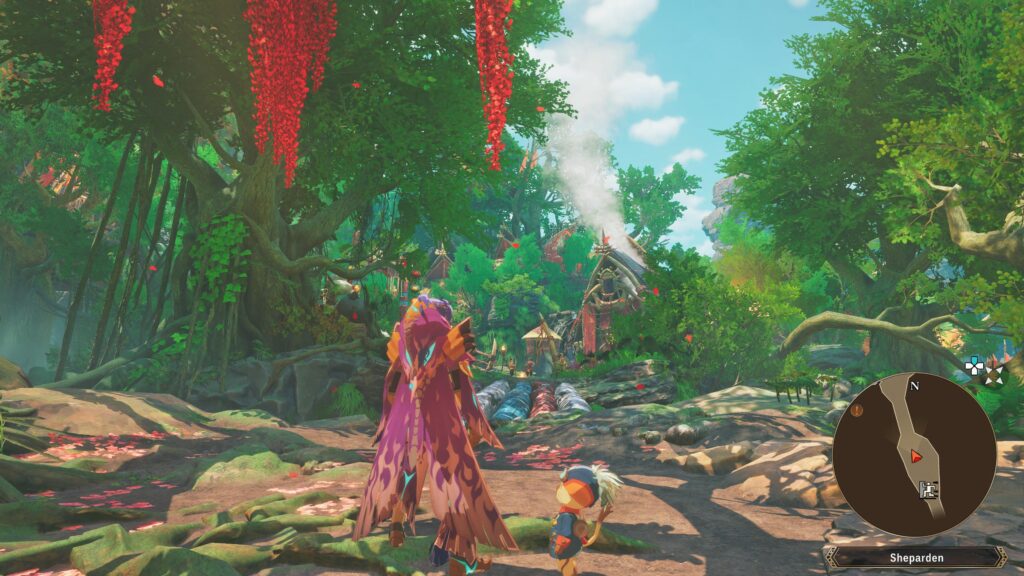
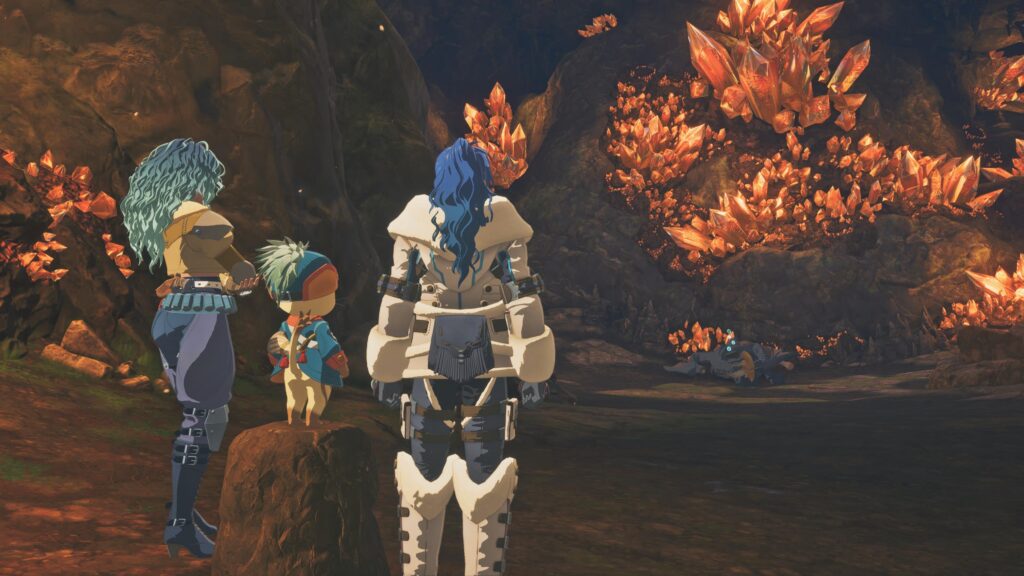
Let’s step out of the frustrating menus for a second and into the wild, because Twisted Reflection features one of the most breathtaking worlds Capcom has ever built. Powered by the RE Engine, the massive, semi-open regions are absolutely bursting with life. But these aren’t just pretty backdrops; the varied environments are fundamentally woven into the core gameplay and the overarching narrative. The biome you are in directly impacts how you breed and mutate your Monsties, allowing them to adapt and take on the specific elemental traits of that region.
Because the main campaign is surprisingly light on traditional dungeons, the game relies heavily on side-quests to push you into the far corners of the map. Thankfully, this works. The character-driven side-stories are incredibly rewarding, not just for the narrative payoff, but because they unlock hidden areas and crucial items that make exploration feel genuinely worthwhile.
However, for the completionists out there, this massive world comes with a massive headache: the Poogies. There are 100 of these little pigs scattered across the map. Yes, the game mercifully gives you a notification when one is nearby, but let’s be real—any collectible hunt that demands you find more than 50 items in a game this massive is exhausting. To the unsung heroes of the internet who grinded out the 100-Poogie location guides on day one: God bless your souls. Trying to find all of them organically is an absolute chore.
But that collectible bloat is a minor gripe when compared to the sheer brilliance of the game’s Habitational mechanic. This system essentially lets you play ecological god. You can release specific monsters into designated areas, actively altering the local ecosystem to fit your hunting needs. Over time, these released monsters populate the area, improving both their own gene pools and the environmental skills of the habitat itself. I spent hours just curating these custom ecosystems, cultivating the perfect hunting grounds for my exact needs. It’s a loop that makes you feel deeply connected to the world, and I enjoyed every single minute of it.
A Feast for the Senses:
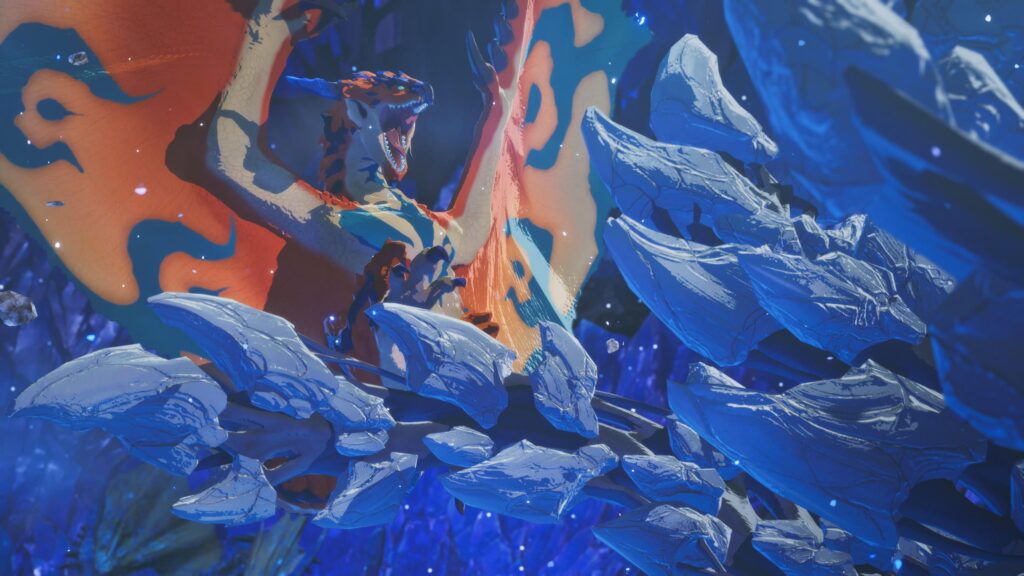
Let’s take a breath and talk about the presentation, because Twisted Reflection is an absolute feast for the senses. When you spend your free time drawing and analyzing character designs, you tend to get hyper-critical of how games render their casts. A bad model or a stiff animation can immediately rip you out of the experience. But Capcom’s RE Engine flexes incredibly hard here. The lighting, the texture of the monster scales, and the sheer expressiveness of the character models are all top-tier.
This visual upgrade bleeds directly into the cutscenes, which are nothing short of phenomenal. We’ve come a long way from the stiff, awkward dialogue exchanges of the franchise’s past. The cinematic direction in this game rivals what Capcom has been doing with the Resident Evil franchise. You can feel the weight of the political tension and the devastation of the Crystal Encroachment just by looking at the subtle facial expressions of the cast. The action choreography during the major story beats is dynamic, kinetic, and completely badass.
And then there is the soundtrack. I have listened to enough Final Fantasy and Tales of battle anthems to know exactly what makes a JRPG score stick in your head, and Twisted Reflection completely delivers. The orchestration is masterful. When you are flying over a lush, untouched biome, the music swells with this beautiful, sweeping sense of adventure. But the second an Invasive monster crashes your party at night, the score violently shifts into a frantic, heart-pounding symphony of heavy percussion and frantic strings that perfectly sells the terror of the encounter. The audio design doesn’t just accompany the world; it elevates every single clash and emotional beat to a completely different level.
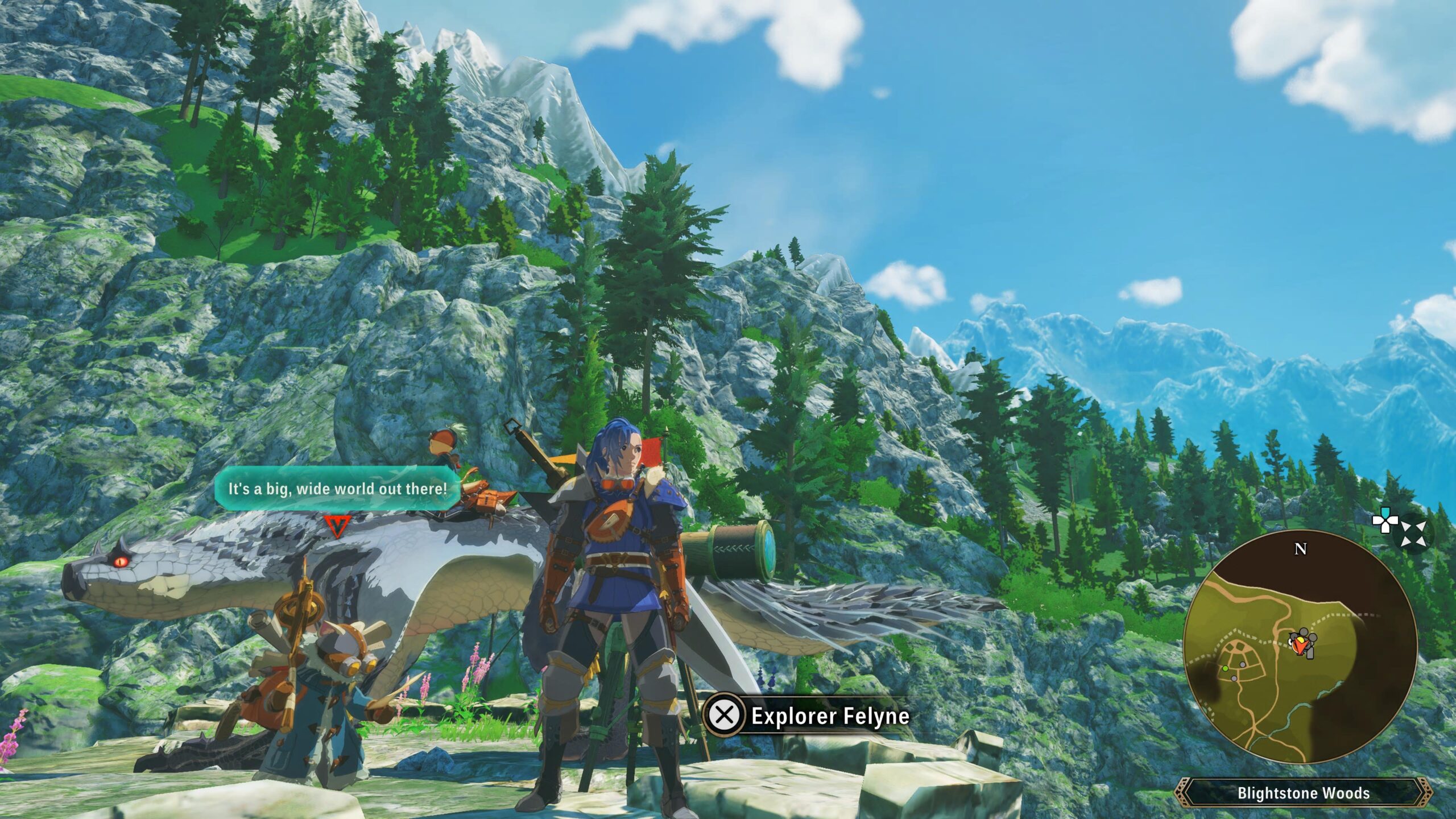
Monster Hunter Stories 3: Twisted Reflection is undeniably a massive leap forward for the sub-series. Despite the UI nightmares and the rage-inducing RNG endgame, this is an incredibly strong iteration of the franchise. In fact, I’ll just come out and say: I definitely enjoyed my time with this more than I did with Monster Hunter Wilds. Seeing what Capcom achieved with the RE Engine here genuinely makes me crave a mainline Monster Hunter title with this exact level of gorgeous, stylized art direction.
But it isn’t flawless. For this game to cross the threshold from “good” to “perfect,” Capcom needs to actively address those glaring mechanical holdbacks. Furthermore, while the darker, politically charged narrative was a welcome change, the storytelling ultimately needs higher emotional peaks and tighter, interconnected plots, rather than leaving so much of the heavy lifting to the player’s interpretation.
It demands a lot of your time, and occasionally disrespects it, but the addictive loop of mutating Monsties and exploring thier breathtaking ecosystems is just too good to ignore.

- A breathtaking, mature visual upgrade that ditches the chibi fluff for gorgeous semi-open biomes, highly expressive cinematic cutscenes, and a masterful, dynamic orchestral score.
- A brilliant, deep gameplay loop combining refined rock-paper-scissors turn-based mechanics with the mad science of gene-splicing and mutating your Monsties.
- A surprisingly grim and gripping setup that tackles territorial warfare, political tension, and the mystery of the Crystal Encroachment.
- An innovative system that allows you to play ecological god by curating custom hunting grounds and manipulating the world's biomes to fit your needs.

- Cluttered, puzzle-like menus—most notably the agonizing Decoration system that forces you to painfully cycle through every piece of gear to see your inventory.
- Fake difficulty that locks progression and the ultimate Elder Monster encounters behind pure dice rolls rather than skill or preparation.
- Exhausting and tedious collectible grinds, specifically the headache-inducing hunt for 100 scattered Poogies and Decorations.
- Despite the fantastic world-building, the plot holds back on deeper interpersonal dialogue, lacking the emotional peaks needed to stick the landing.
