
Close Menu
Ermis Gaming

    Subscribe to Updates

    Get the latest creative news from FooBar about art, design and business.

    What's Hot

    30 Years of the “Tales of” Series: A JRPG Legacy

    May 13, 2026

    Mouse: P.I. For Hire Crosses 730,000 Sales as Console Players Match PC Numbers

    May 12, 2026

    Lies of P Sequel Officially Enters Full Production

    May 12, 2026
    Facebook X (Twitter) Instagram
    Ermis Gaming
    • Home
    • Reviews
    • News
    • Guides
    • Platforms
      • Playstation
      • Xbox
      • Nintendo Switch
      • PC Games
    • About Ermis Gaming
    • Our Authors
    • Contact
    X (Twitter) Instagram RSS
    Ermis Gaming
    Home » 30 Years of the “Tales of” Series: A JRPG Legacy
    News

    30 Years of the “Tales of” Series: A JRPG Legacy

    Feras AlomireenBy Feras AlomireenMay 13, 2026Updated:May 13, 2026No Comments5 Mins Read
    Facebook Twitter Pinterest LinkedIn Tumblr Email
    Share
    Facebook Twitter LinkedIn Pinterest Email
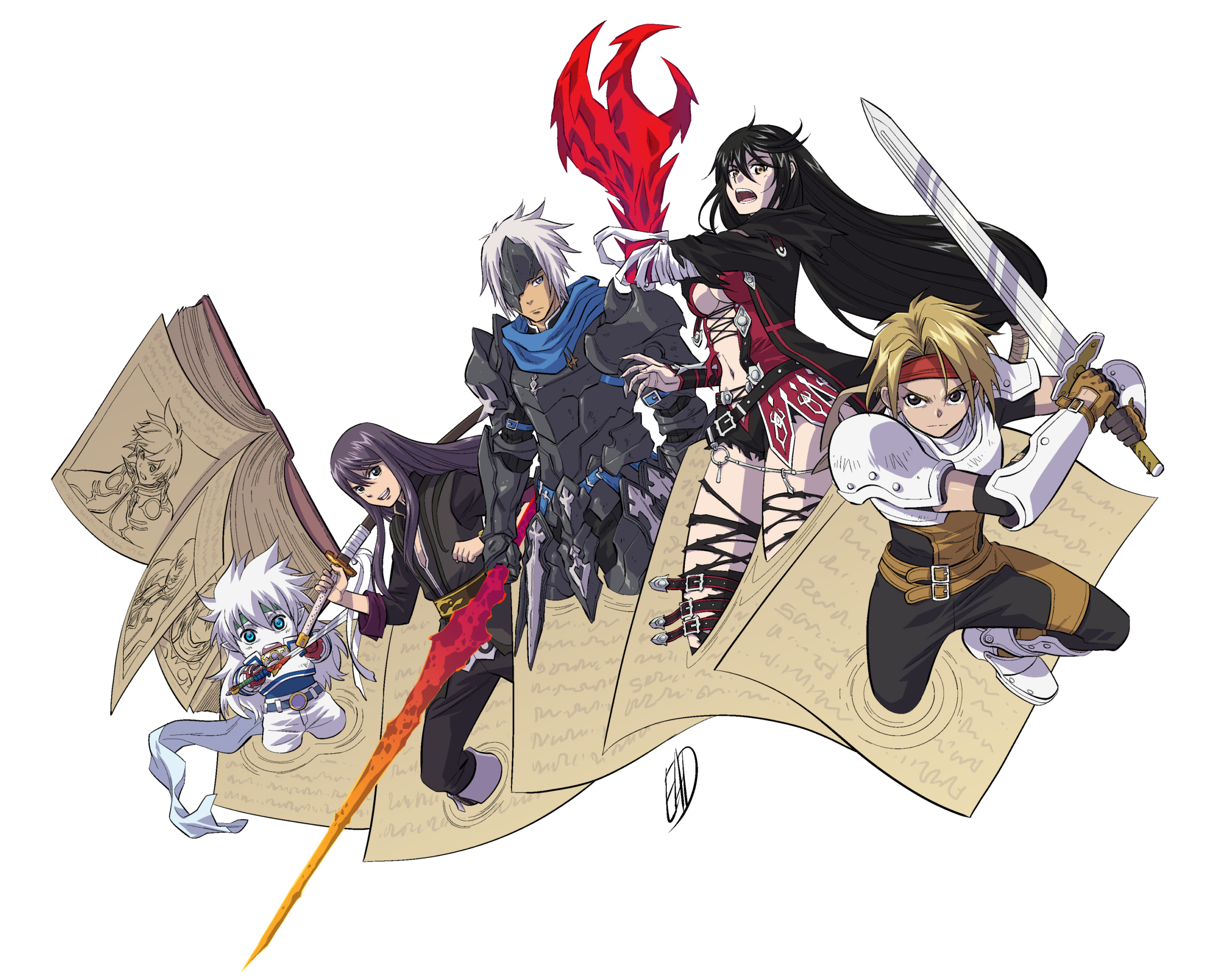
    Tales 30th Anniversary
    Art by Elmer Damaso, Characters by Bandai Namco

    For three decades, the “Tales of” series has stood as a pillar of the JRPG genre. While other franchises chased cinematic realism or complex political intrigue, “Tales” carved its own path by focusing on the bonds between characters, stunning audio-visual artistry, and combat systems that prioritized mechanical depth over static menus.

    The Birth of a Legend

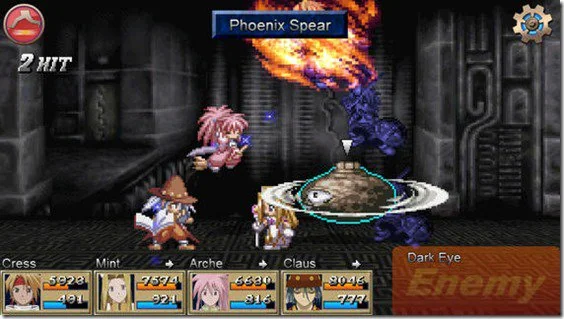
    The journey began on December 15, 1995, with Tales of Phantasia on the Super Famicom (SNES). It was a technical marvel that pushed the aging 16-bit hardware to its absolute breaking point. At a time when JRPGs were strictly text-based affairs, Phantasia shocked players by featuring actual vocal tracks —most notably the opening song “Yume wa Owaranai.”

    But the true revolution was the introduction of the Linear Motion Battle System (LMBS). It aggressively defied the turn-based norms of the 90s, forcing players into real-time, side-scrolling combat that felt more like a fighting game than a traditional RPG. This dedication to technical performance and responsive combat became the bedrock of the entire franchise.

    The Golden Era

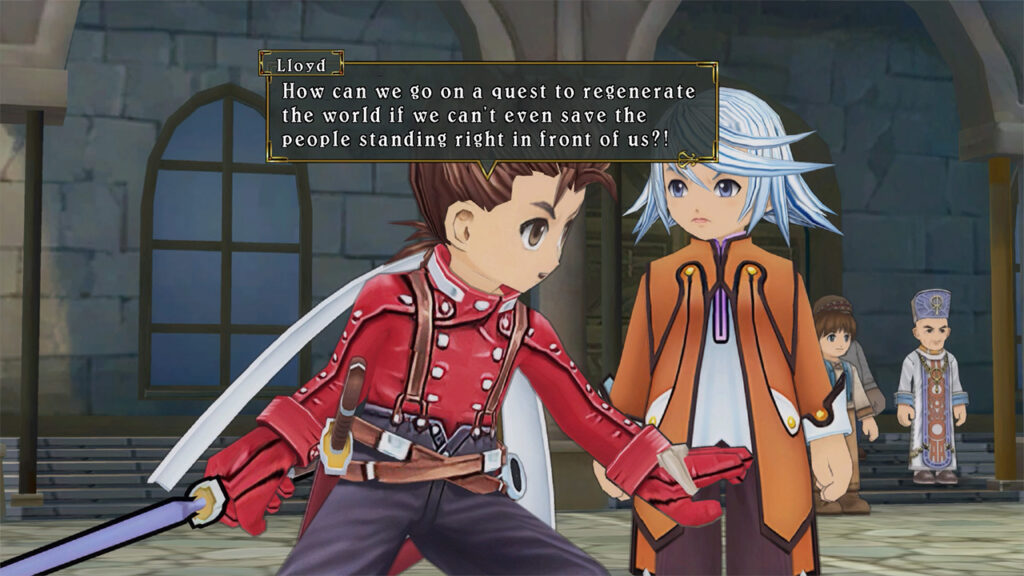
    The series truly broke into the global mainstream with the release of Tales of Symphonia in 2003. Making the leap to 3D on the Nintendo GameCube, Symphonia introduced stunning cel-shaded graphics that aged beautifully, alongside a massive, sprawling dual-world narrative. Furthermore, it cemented the franchise’s unique couch co-op appeal, allowing up to four players to control party members in combat.

    Following closely behind was Tales of the Abyss (2005), which delivered what is still widely considered one of the best character redemption arcs in gaming history. Watching Luke fon Fabre evolve from an insufferably arrogant noble into a selfless hero remains a masterclass in objective character writing.

    The Peak of Classic Tales

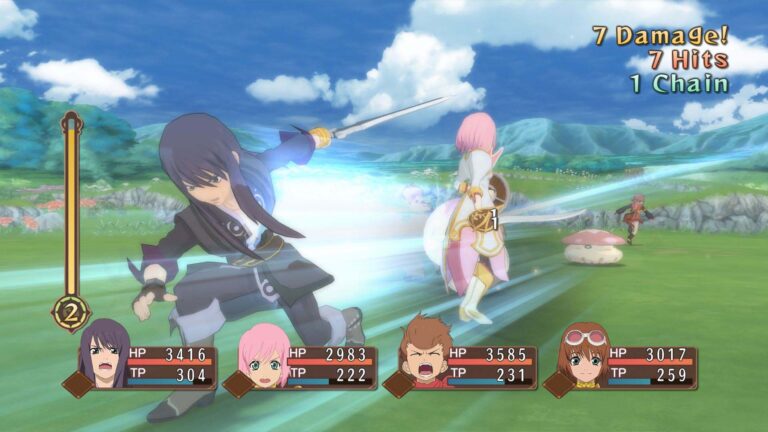
    If Symphonia and Abyss laid the groundwork, Tales of Vesperia (2008) perfected it. Vesperia is often heralded as the peak of the classic LMBS era. It traded the standard naive JRPG protagonist for Yuri Lowell—a pragmatic, mature vigilante willing to get his hands dirty for the greater good.

    From a technical standpoint, the visual artistry of Vesperia’s cel-shaded engine remains breathtaking. The vibrant color palettes, buttery-smooth combat animations, and meticulous world design coalesced into an experience that still feels mechanically and visually pristine today.

    The Experimental Phase

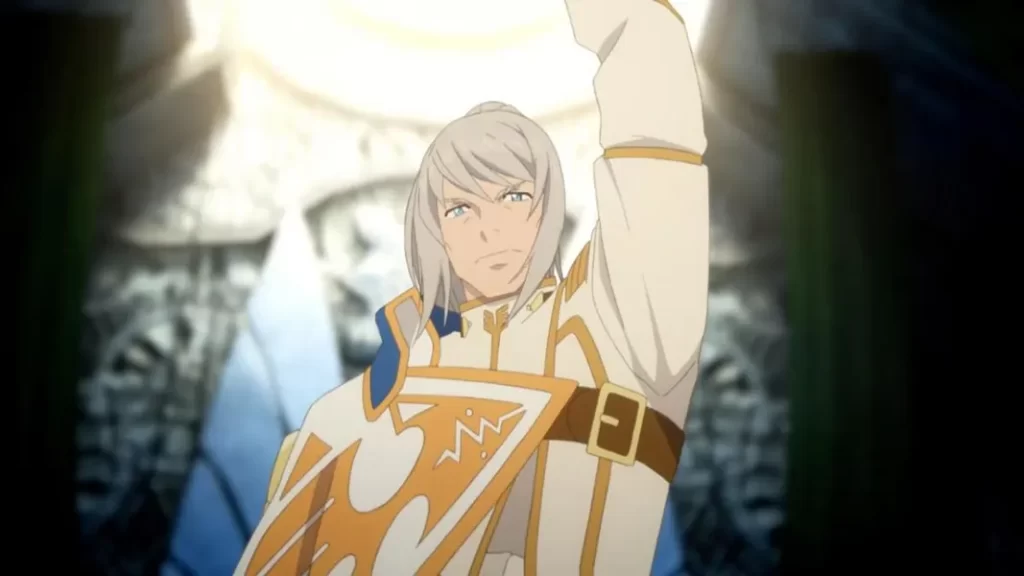
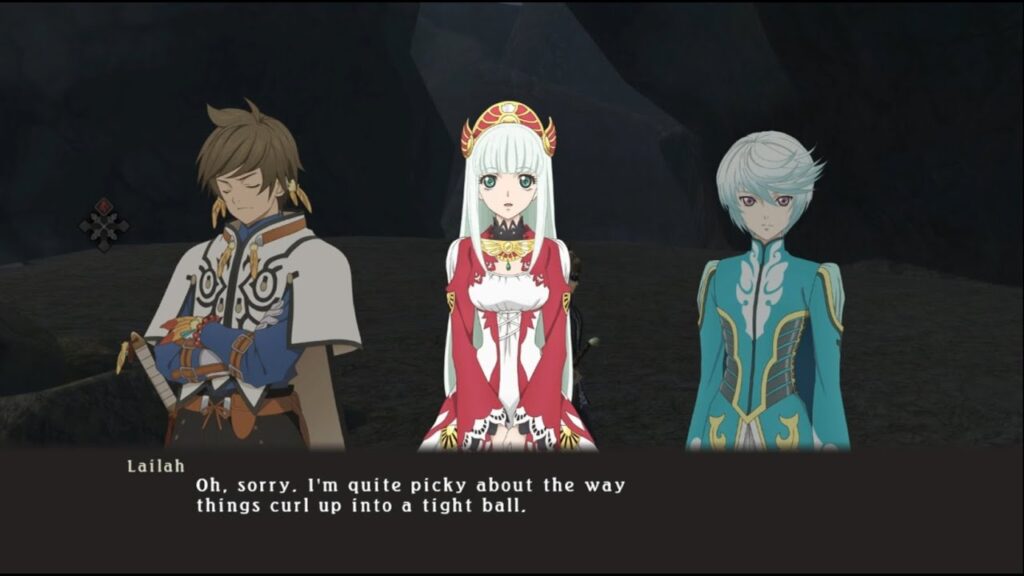
    As the series moved forward, it entered an experimental phase. Tales of Xillia pushed the envelope by offering dual protagonists and a highly technical linked combat system. However, the ambition wasn’t always perfectly executed; Tales of Zestiria attempted an ambitious open-world design, but suffered from widely criticized technical stumbles, clunky camera mechanics, and a convoluted skill system.

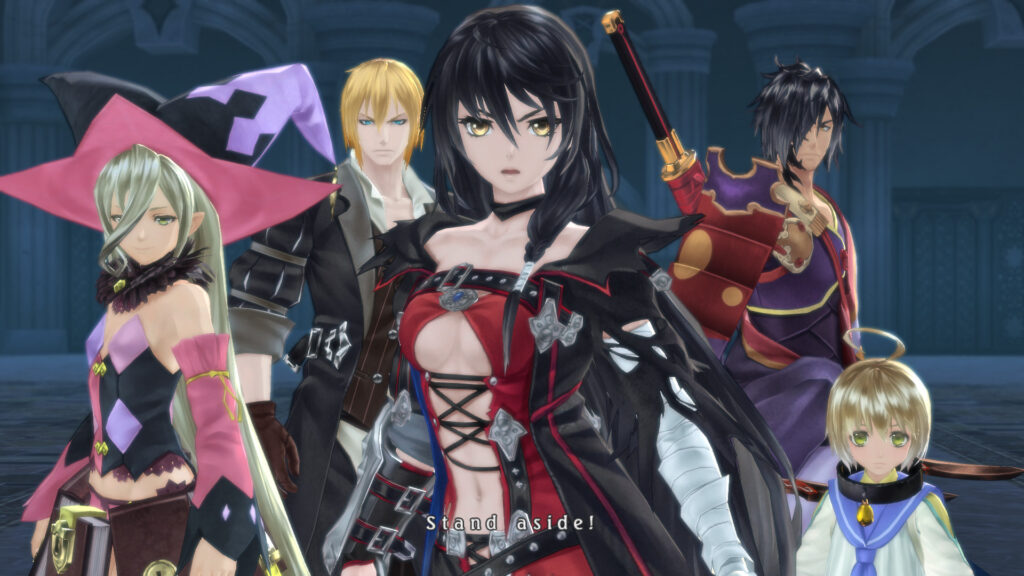
    Yet, the franchise quickly corrected course with Tales of Berseria. By embracing a much darker tone and focusing on Velvet Crowe’s visceral quest for revenge, Berseria revitalized the series’ narrative edge, proving that “Tales” could handle grim, mature themes just as well as high fantasy.

    The Visual Triumph of Arise

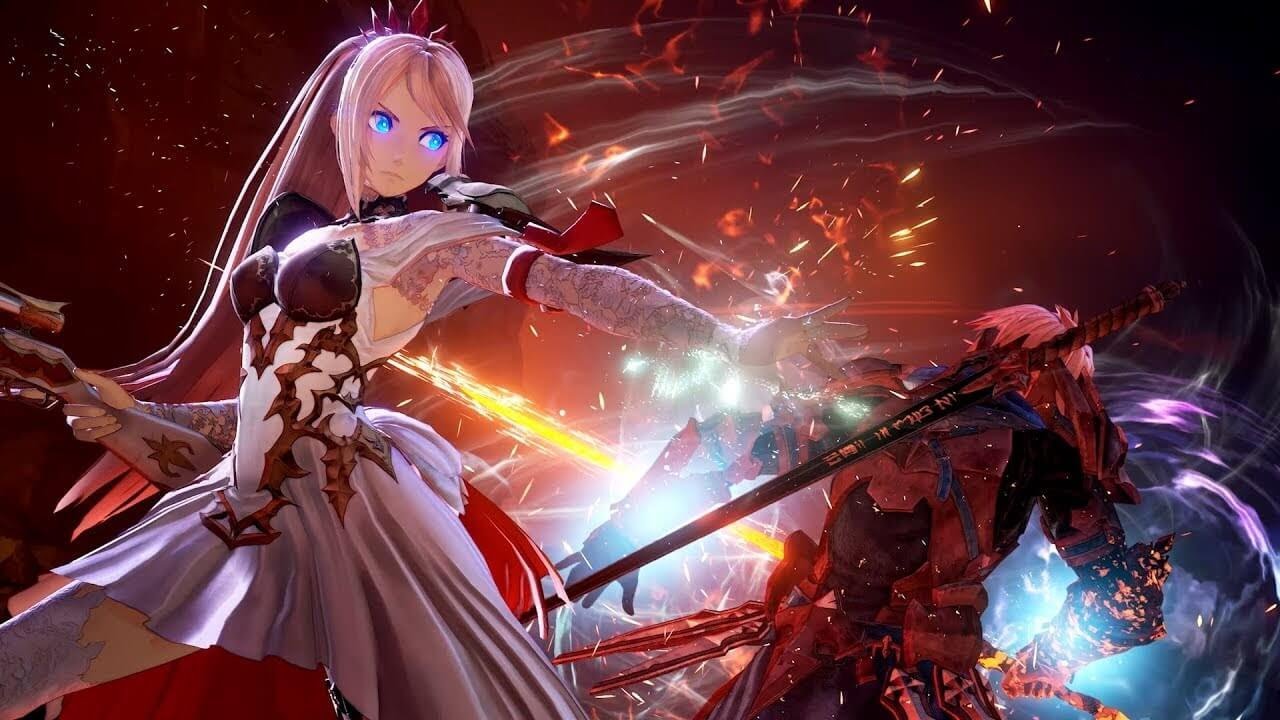
    In 2021, the series underwent its most massive technical overhaul yet with Tales of Arise. Moving to Unreal Engine 4, the developers created the “Atmospheric Shader,” giving the game a breathtaking, watercolor-painting aesthetic. It was a massive leap forward in visual artistry.

    The combat evolved as well, heavily focusing on intricate ground-to-air combos and satisfying, cinematic Boost Strikes. Arise brought the franchise to an entirely new, mainstream audience, achieving massive commercial success and critical acclaim for its mechanical polish.

    Villains Who Believe They Are Heroes

    While the heroes often steal the spotlight, a crucial component of the series’ narrative strength lies in its antagonists. The “Tales” series isn’t afraid to dive deep into moral ambiguity. Its villains are rarely evil simply for the sake of being evil; instead, they often possess logic and motivations that make just as much sense as the heroes’ ideals.

    Take Dhaos from Phantasia, whose brutal actions were ultimately driven by a desperate need to save his own dying world. Or consider Mithos Yggdrasill in Symphonia, whose grand, tyrannical design was born from centuries of grief and persecution, seeking to eliminate discrimination by erasing differences entirely. Even later villains like Artorius Collbrande from Berseria present a chillingly logical counterpoint

    to the heroes—sacrificing human emotion to enforce absolute order and save humanity from itself. These deeply flawed, tragic figures elevate the story beyond a simple battle of good versus evil.

    Motoi Sakuraba and the Skit System

    You cannot discuss the legacy of the “Tales” series without highlighting its legendary audio design. Composer Motoi Sakuraba has been the heartbeat of the franchise, delivering high-energy, prog-rock battle anthems and sweeping orchestral town themes that define the series’ atmosphere. Coupled with iconic opening sequences featuring licensed J-Pop and J-Rock tracks from artists like BoA, FLOW and Ayumi Hamasaki, the series has consistently delivered an unparalleled auditory experience.

    Equally important is the “Skit” system. These optional, visual-novel-style conversations are the secret weapon of the franchise. By allowing characters to chat, joke, and bicker about everything from the main plot to what’s for dinner, the series builds party dynamics and chemistry that other JRPGs simply cannot match.

    The Future of the Series

    As we celebrate this 30th milestone, the future looks bright. With the upcoming Tales of Eternia remaster and heavy rumors surrounding a return to Abyss, the legacy continues to grow. Fans around the world are holding their breath, waiting to see what Bandai Namco has planned next for the 30th anniversary.

    RPG tales series
    Share. Facebook Twitter Pinterest LinkedIn Tumblr Email
    Feras Alomireen
    • X (Twitter)

    Feras aka Aizmov is an avid gamer, creative director and all-around science nerd! His favorite video games genre is RPG and Action/Horror. He spends tremendous amount of time wondering why he keeps playing souls-like games after the horrors he faced in Sekiro: Shadows Die Twice.

    Related Posts

    Why Final Fantasy XII Remains a Masterpiece Lightyears Ahead of Its Time

    May 10, 2026

    Kingdom Hearts 4 Was Announced 4 Years Ago – And We Are Still Waiting

    April 10, 2026

    Lies of P Hits 4 Million Sales

    March 28, 2026

    77% of Final Fantasy VII Rebirth Players Are Over 30, Raising Questions About the Series’ Future

    March 27, 2026
    Add A Comment
    Leave A Reply Cancel Reply

    Editors Picks

    Why Final Fantasy XII Remains a Masterpiece Lightyears Ahead of Its Time

    May 10, 2026

    30 Years of Survival Horror: How Resident Evil Defined and Defied the Genre

    May 8, 2026

    Monster Hunter Stories 3: Twisted Reflection Review – Hatching the Eggs

    April 10, 2026
    Latest News

    30 Years of the “Tales of” Series: A JRPG Legacy

    May 13, 2026

    Mouse: P.I. For Hire Crosses 730,000 Sales as Console Players Match PC Numbers

    May 12, 2026

    Lies of P Sequel Officially Enters Full Production

    May 12, 2026
    X (Twitter) Instagram RSS
    • Home
    • Reviews
    • News
    • Ermis
    • Platforms
    • Contact
    © 2026 Ermis Gaming. Original Art By Elmer Damaso.

    Type above and press Enter to search. Press Esc to cancel.